






The Gulf region is poised for a significant transformation in its educational landscape, driven by a renewed focus on research and innovation. The recently concluded Gulf Forum for Educational Researchers in Kuwait underscored the urgent need to modernize educational systems to meet the demands of a rapidly evolving global landscape, particularly in the face of advancements in educational research. This inaugural event brought together leading experts to chart a course for integrating cutting-edge methodologies and data-driven decision-making into Gulf education policies.
Strengthening Education Through Focused Educational Research
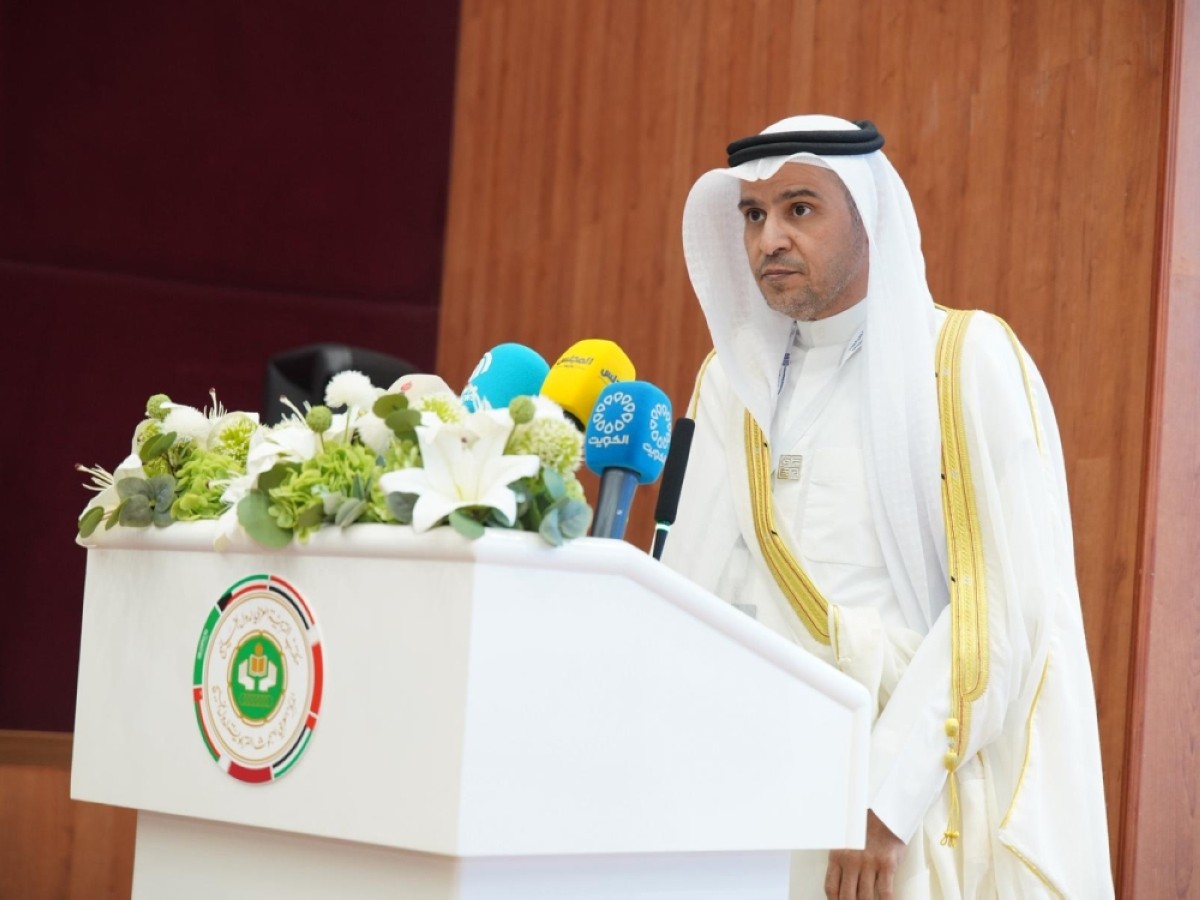
The two-day forum, held under the patronage of Kuwait’s Minister of Education Sayed Jalal Al-Tabtabai and organized by the Arab Bureau of Education for the Gulf States, culminated in six key recommendations designed to bolster the role of educational research in shaping the future of learning across the region. Dr. Mohammed Al-Shuraika, Director of the Arab Center for Educational Research for the Gulf States, highlighted the forum’s core message: a commitment to evidence-based practices and a proactive approach to educational challenges.
The event saw participation from undersecretaries from Gulf ministries of education, alongside a diverse group of Gulf and international educational experts, all contributing to a rich dialogue on best practices and future strategies. The discussions centered around leveraging research to improve educational outcomes and ensure that Gulf nations remain competitive on the world stage.
Key Recommendations for Systemic Change
The recommendations emerging from the forum weren’t simply theoretical; they outlined concrete steps for implementation. A central theme was the development of robust institutional mechanisms within Gulf ministries of education. These mechanisms would ensure that research findings and empirical data are systematically incorporated into the policy-making process at all levels. This shift represents a move away from relying on traditional methods and towards a more informed, data-driven approach.
Another crucial recommendation focused on empowering educational researchers themselves. Enhancing their capabilities in applying scientific methodologies, collecting and analyzing both quantitative and qualitative data, and effectively interpreting findings to develop practical solutions was deemed essential. This includes providing access to advanced training and resources, fostering a culture of continuous professional development, and recognizing the vital role researchers play in driving educational progress.
Fostering Collaboration and Knowledge Sharing in Education
The forum also championed the creation of strong professional learning communities for educational researchers. The proposed model, the Community of Practice (CEP), aims to facilitate organized collaboration, knowledge sharing, and the building of cumulative expertise. These communities would serve as supportive environments, enhancing research skills, improving research quality, and collectively addressing priority educational issues.
These communities aren’t intended to operate in isolation. The vision is to establish both national and Gulf-level networks, fostering a broader exchange of ideas and best practices across the region. This collaborative spirit is seen as vital for tackling shared challenges and accelerating the pace of educational innovation. Curriculum development will be a key area of focus for these communities.
Ethical Considerations and Data Governance
Recognizing the sensitive nature of educational data, the forum placed a strong emphasis on research ethics and data governance. Participants called for the establishment of clear regulatory frameworks to protect individual privacy, promote transparency, and ensure accountability in all educational studies. This commitment to ethical research practices is crucial for building trust and ensuring the responsible use of data to improve educational outcomes.
Aligning Research with Regional Needs and Global Trends
The recommendations also stressed the importance of applied research that directly addresses the unique educational challenges faced by Gulf countries. This includes aligning research agendas with the specific social, economic, and cultural contexts of the region, ensuring that research findings translate into practical impact.
Furthermore, the forum acknowledged the transformative potential of artificial intelligence and technology in education. Integrating these advancements into teaching methods and fostering a culture of innovation were identified as key priorities. This requires a proactive approach to technology integration and a willingness to embrace new pedagogical approaches. The need for ongoing teacher training in these areas was also highlighted.
In conclusion, the inaugural Gulf Forum for Educational Researchers has laid a solid foundation for a new era of evidence-based education in the region. The six key recommendations, ranging from strengthening institutional mechanisms to fostering collaboration and prioritizing ethical research practices, represent a comprehensive roadmap for modernizing educational systems. By embracing educational research and prioritizing innovation, Gulf countries can ensure that their education systems are well-equipped to prepare future generations for success in a rapidly changing world. The forum’s conclusions are expected to spark significant changes, and it will be crucial to monitor their implementation and assess their impact on educational quality and policy development across the Gulf.