






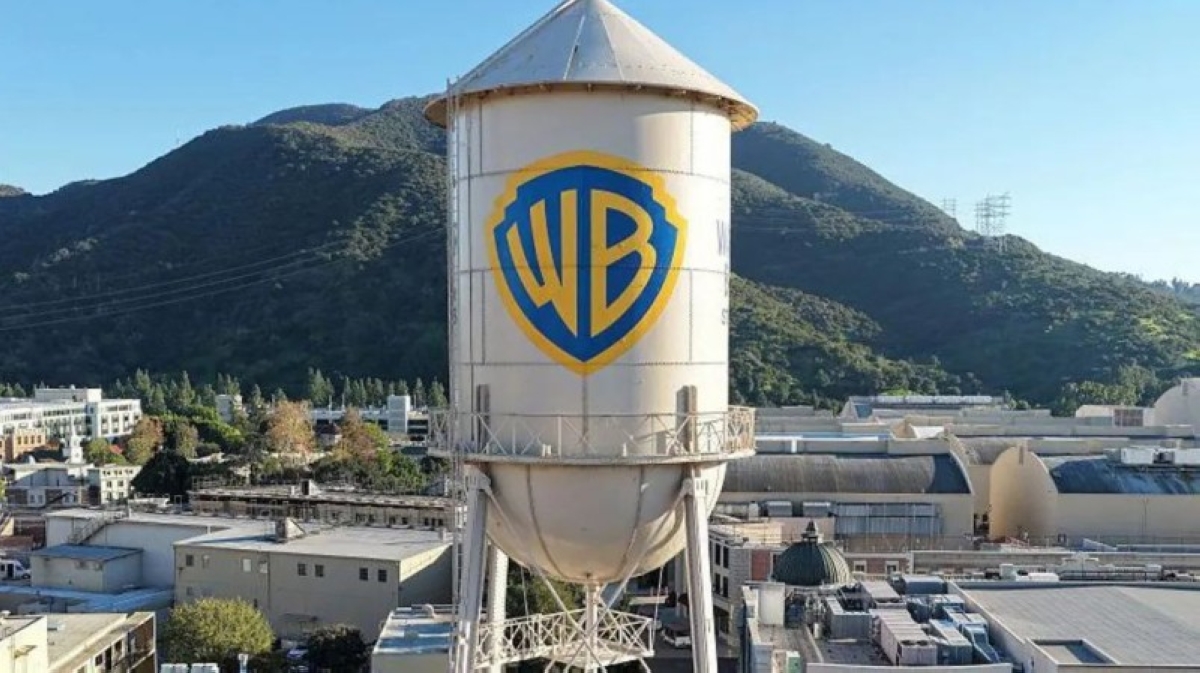

Los Angeles – Warner Bros Discovery is poised to formally recommend that its shareholders reject the $108.4 billion takeover bid from Paramount Skydance, according to multiple reports surfacing Wednesday. This move escalates the battle for the future of the media conglomerate, currently also subject to a $72 billion agreement to sell its film and streaming assets to Netflix. The unfolding situation highlights the intense competition and consolidation occurring within the entertainment industry.
The rejection, expected to be communicated to shareholders imminently, comes as a key financial backer of the Paramount Skydance offer, Affinity Partners, reportedly withdraws its support. This development adds further complexity to the already fraught negotiations surrounding the Warner Bros Discovery deal and its potential impact on the streaming landscape.
Why Warner Bros Discovery is Expected to Reject the Skydance-Paramount Bid
Warner Bros Discovery’s anticipated rejection centers on concerns regarding the financial structure of the Paramount Skydance offer. The Financial Times reports that the company believes the bid is insufficiently funded and presents unacceptable risks. Additionally, the involvement of two major competitors – Paramount and Netflix – in vying for parts of the business is reportedly a significant factor in the decision.
The current situation stems from Warner Bros Discovery’s decision in October to explore a sale, following unsolicited interest from several parties. This initial exploration led to a deal with Netflix, focusing on the acquisition of Warner Bros Discovery’s film and streaming operations. However, Paramount Skydance quickly countered with a larger offer encompassing the entire company, including its traditional television networks.
Affinity Partners’ Withdrawal
The withdrawal of Affinity Partners, founded by Jared Kushner, is a notable setback for Paramount Skydance. The firm cited the presence of “two strong competitors” as the reason for backing away from the deal. This suggests a reluctance to further consolidate power within an industry already dominated by a few key players.
Paramount’s bid is backed by the Ellison family, known for their substantial wealth and influence. Their financial commitment is crucial to the offer’s viability, but the departure of Affinity Partners raises questions about the overall strength of the consortium.
Implications for the Streaming Wars and Media Consolidation
A successful takeover of Warner Bros Discovery would dramatically reshape the media landscape. The acquiring company would gain control of a vast library of intellectual property, including iconic franchises like Harry Potter, Friends, and the content from HBO Max. This extensive catalog would provide a significant competitive advantage in the increasingly crowded streaming market.
The proposed mergers have also drawn criticism from labor organizations. The Writers Guild of America (WGA) East and West branches have publicly called for regulators to block the deals, expressing concerns about potential job losses and reduced compensation for writers. They also argue that consolidation will ultimately limit content diversity for viewers.
Competition regulators in both the United States and Europe are expected to scrutinize any final agreement intensely. Antitrust concerns are paramount, and authorities will likely assess the potential impact on consumer choice and market competition. The Department of Justice has already signaled a more aggressive stance on mergers and acquisitions in recent years.
In contrast to a full company sale, the existing agreement with Netflix would see Warner Bros Discovery’s film and streaming businesses integrated into the streaming giant’s platform. This would bolster Netflix’s content offerings and potentially accelerate its subscriber growth. However, it would also leave Warner Bros Discovery without a direct presence in the streaming space.
The situation is further complicated by the ongoing evolution of the entertainment industry. The shift towards streaming, coupled with the rise of new technologies, is forcing companies to adapt and seek strategic partnerships to remain competitive. This has fueled a wave of consolidation, with larger players attempting to acquire smaller ones to gain scale and market share.
The next crucial step is the formal communication to Warner Bros Discovery shareholders, expected shortly. While a definitive timeline remains unclear, regulatory approval will be a significant hurdle for any potential deal. Industry analysts will be closely watching for further developments, including any revised offers from Paramount Skydance or potential intervention from antitrust authorities. The outcome will likely set a precedent for future consolidation within the entertainment sector and significantly impact the future of content creation and distribution.