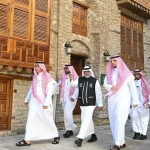







Kigali, Rwanda – In a gesture steeped in cultural significance, President Paul Kagame gifted His Highness Sheikh Tamim bin Hamad Al Thani, the Amir of Qatar, with a pair of Inyambo cattle during the Amir’s official visit in November 2025. This presentation of Rwanda’s legendary long-horned cattle represents a profound expression of respect and a strengthening of diplomatic ties between the two nations, going beyond standard protocol.
The exchange occurred at President Kagame’s private farm in Kibugabuga and underscores the deep historical and cultural importance of these animals to Rwanda. According to Rwandan tradition, offering an Inyambo is reserved for those with whom a strong, trusting relationship already exists, signifying a bond meant to endure.
The Significance of Rwanda’s Inyambo Cattle
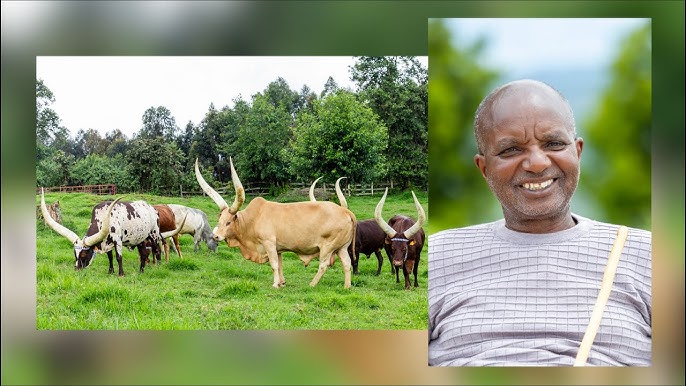
Inyambo cattle are not merely livestock; they are a living symbol of Rwanda’s history, prosperity, and cultural identity. For centuries, these majestic animals, characterized by their exceptionally long, symmetrical horns, were exclusively kept by Rwandan kings. Their well-being was considered a direct reflection of the nation’s overall health and stability.
A Legacy of Selective Breeding
Maintaining the purity of the Inyambo bloodline required generations of meticulous breeding practices. Rwandan ancestors employed a sophisticated system of crossbreeding, carefully selecting only the most impressive specimens to ensure the continued refinement of the breed. This dedication resulted in the uniquely elegant and imposing cattle known today.
Inyambo in Rwandan Society
Historically, Inyambo held a central position in Rwandan society, representing spiritual, material, and cultural pillars. A traditional saying encapsulates this importance: “Imana (God), Inka (cows), and Ingoma (drum).” Each Inyambo was individually named and recognized, even responding to its name during ceremonies, a practice that facilitated lineage tracking.
Additionally, these cattle were trained to respond to specific songs, known as “Amahamba,” further integrating them into national celebrations. Their milk provided sustenance for both children and warriors, highlighting their practical value alongside their symbolic importance.
Today, Inyambo continue to be preserved at the King’s Palace Museum in Nyanza, where cowherders maintain the ancient tradition of singing to ensure the cattle remain peaceful and obedient. This practice demonstrates a commitment to preserving a vital aspect of Rwandan heritage.
Strengthening Rwanda-Qatar Relations
The gifting of the Inyambo cattle coincides with a period of growing collaboration between Rwanda and Qatar. Both nations are currently engaged in several transformative initiatives, including investments in infrastructure and technology, according to recent reports from the Rwandan Ministry of Finance and Economic Planning.
The Rwandan cultural practice of “Kugaba Inka,” or gifting a cow, is a powerful symbol of respect and friendship. When the gifted animal is an Inyambo, the gesture carries even greater weight, signifying a deep and enduring bond. This act acknowledges the existing relationship and reinforces a commitment to future cooperation.
Furthermore, the elegance of the Inyambo has deeply influenced Rwandan artistic expression, inspiring traditional dances like ‘Umushagiriro’ and the warrior dance of the Intore, which mimic the graceful movements of these iconic cattle. This cultural connection adds another layer of meaning to the gift.
Looking ahead, the continued development of collaborative projects between Rwanda and Qatar is expected in the coming months. The success of these initiatives, and the ongoing preservation of the Inyambo tradition, will be key indicators of the strength and longevity of this burgeoning partnership. Further details regarding specific investment timelines and project milestones are anticipated in early 2026.