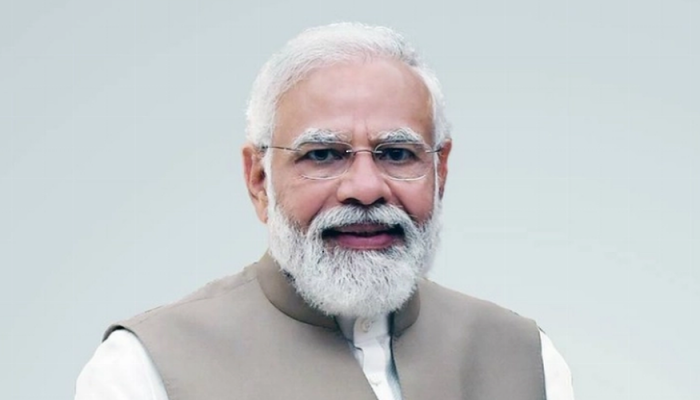

Prime Minister Narendra Modi is scheduled to arrive in Muscat, Oman, on Wednesday for a significant two-day official visit. This trip underscores the growing importance of the India Oman relationship and provides a platform for high-level discussions with His Majesty Sultan Haitham bin Tarik. The visit comes at a pivotal moment, coinciding with the 70th anniversary of diplomatic relations between the two nations and building on the momentum of the Sultan of Oman’s recent state visit to India.
Boosting Trade and Economic Cooperation: A Key Focus of Modi’s Oman Visit
The economic dimension is central to Prime Minister Modi’s agenda. India currently stands as the sixth-largest trading partner for Oman, with trade exchange reaching approximately OMR 1,000,627,000 by the end of September. However, both countries are actively seeking to expand this partnership, particularly into future-oriented sectors. A major point of discussion will be the potential implementation of a Comprehensive Economic Partnership Agreement (CEPA), which officials believe could effectively double bilateral trade within the next five years.
The Promise of the CEPA
The CEPA represents a significant step towards deeper economic integration. It aims to reduce tariffs and streamline trade procedures, creating a more favorable environment for businesses in both India and Oman. Ambassador of India to Oman, GV Srinivas, highlighted the importance of this agreement, stating it will solidify the relationship across various domains. Negotiations have been progressing well over the past two years, and an announcement regarding advancements is anticipated following the Prime Minister’s meetings.
Expanding Investment Horizons
Beyond trade, the visit will also focus on attracting further investment. Indian companies have already made substantial investments in Oman, particularly in the metallurgy and steel sectors. However, there is growing interest in emerging industries, most notably green hydrogen. Oman is strategically positioned to become a major producer and exporter of green hydrogen, and Indian companies are keen to participate in this burgeoning sector. This aligns with India’s own ambitious goals for renewable energy and sustainable development.
A Historical Partnership with a Strategic Vision
The India Oman relationship is not merely transactional; it is rooted in a long and rich history. Ambassador Issa Saleh Al Shaibani, Oman’s envoy to India, emphasized the “historical depth and a renewed strategic vision” that characterizes the ties between the two countries. Business interactions have been ongoing for 200-250 years, predating formal diplomatic relations by centuries. This organic evolution has fostered a deep understanding and mutual respect between the two nations.
Faisal Abdullah Al Rowas, Chairman of the Oman Chamber of Commerce and Industry, echoed this sentiment, describing the relationship as “a model for fruitful cooperation.” He further noted India’s position as one of Oman’s largest trading partners, highlighting the mutual benefits derived from this collaboration.
Strengthening People-to-People Connections and Beyond
The visit isn’t solely focused on government-to-government discussions and economic agreements. Recognizing the vital role of people-to-people connections, Prime Minister Modi will also engage with the large Indian diaspora in Oman, which numbers approximately 675,000. These individuals contribute significantly to Oman’s economic development through remittances and skilled labor.
Additionally, the Prime Minister will interact with Indian students, acknowledging the importance of education and capacity building in fostering stronger ties. The 50th anniversary of the CBSE education system in Oman will be a particular point of discussion, recognizing the long-standing commitment to providing quality education to the Indian community.
The partnership extends beyond economics and diaspora engagement. The relationship is well-established across political, defense, and security sectors, with regular joint exercises conducted among the three branches of the armed forces. This demonstrates a commitment to regional stability and security cooperation. The Prime Minister’s visit will likely reinforce these existing collaborations.
Five Pillars Guiding the Future of Cooperation
Prime Minister Modi’s agenda is guided by five key pillars: talent, tradition, tourism, trade, and technology. These pillars represent a holistic approach to strengthening the India-Oman ties, encompassing not only economic cooperation but also cultural exchange and human capital development. The focus on these areas reflects a shared vision for a mutually prosperous and sustainable future.
This visit, following the Sultan of Oman’s trip to India in December 2023, signifies a renewed commitment from both sides to elevate the partnership to even greater heights. The discussions are expected to provide guidance and support for overall growth, particularly in trade and economic sectors, and pave the way for a more robust and multifaceted India and Oman collaboration in the years to come. The strengthening of bilateral trade is a key outcome anticipated from this important diplomatic engagement.
Stay tuned for further updates following the conclusion of Prime Minister Modi’s visit to Oman. For more information on India-Oman relations, please visit the official websites of the Indian Embassy in Oman and the Omani Embassy in India.