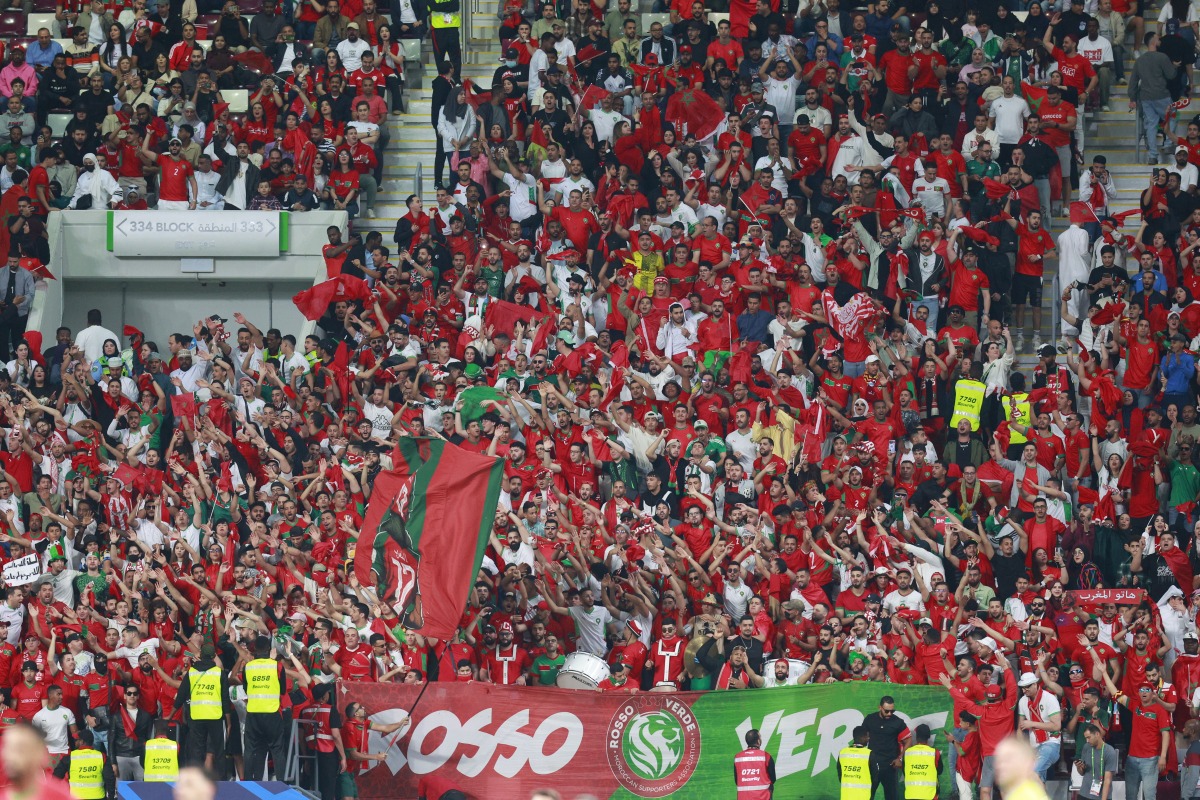

Doha, Qatar – The FIFA Arab Cup semi-finals concluded on December 16th with thrilling victories for Jordan and Morocco, drawing massive crowds and enthusiastic support from fans across the Arab region. Over 63,000 spectators filled Al Bayt and Khalifa International Stadiums to witness the matches, showcasing the growing regional interest in football and the event’s status as a key tournament. Both games demonstrate the increasing importance of the Arab Cup in fostering sporting connections and providing a platform for regional talent.
Jordan defeated Saudi Arabia 1-0 at Al Bayt Stadium, while Morocco secured a dominant 3-0 win against the United Arab Emirates at Khalifa International Stadium. The victories set the stage for a highly anticipated final between Jordan and Morocco, scheduled for December 18th at Al Bayt Stadium. These matches followed a two-week group stage and quarter-finals, narrowing the field to these final four contenders.
Understanding the Significance of the Arab Cup
The FIFA Arab Cup, first held in 1963, is a tournament designed to promote football development and unity among Arab nations. While not as prestigious as the FIFA World Cup or the AFC Asian Cup, it has grown in prominence, especially with Qatar hosting the 2021 edition as a dress rehearsal for the 2022 FIFA World Cup. The tournament also serves as a qualifying event for certain FIFA competitions, adding to its strategic value for participating countries.
Fan Engagement and Atmosphere
Spectator attendance at the semi-finals highlighted the event’s ability to draw significant regional support. Jordanian and Saudi fans were particularly vocal, creating a dynamic and energetic atmosphere within Al Bayt Stadium, according to reports from The Peninsula Qatar. This spirited engagement is considered crucial for the Arab Cup’s success and its broader aim of fostering a shared passion for the sport.
Similarly, Moroccan supporters demonstrated strong enthusiasm at Khalifa International Stadium. The visual spectacle of colorful banners and passionate chants underscored the growing appeal of football within the Arab world and the cultural significance of the tournament. The event’s organizing committee has consistently emphasized the need to create a welcoming and exciting environment for fans.
Match Details and Key Performances
Jordan’s victory over Saudi Arabia was a tightly contested affair, with a single goal proving the difference. The match emphasized Jordan’s defensive resilience and tactical prowess, showcasing their ability to contain a traditionally strong attacking side. This result suggests a potential shift in the competitive landscape of Arab football.
Morocco, on the other hand, delivered a commanding performance against the UAE, with a convincing 3-0 scoreline. The Moroccan team exhibited a well-rounded display, featuring effective passing, clinical finishing, and a solid defensive structure. Their dominant showing positions them as strong favorites heading into the final match. The strong performances of teams have been noted as evidence of growing football talent in the region.
The quality of play throughout the tournament has attracted attention from football analysts and scouts. Several players have been identified as potential rising stars, further bolstering the event’s reputation as a platform for emerging talent. This increased visibility could contribute to greater investment in youth development programs across Arab nations.
Infrastructure and Future Implications
Qatar’s hosting of the Arab Cup continues to demonstrate its commitment to sporting infrastructure and event organization. Both Al Bayt and Khalifa International Stadiums, venues utilized for the FIFA World Cup 2022, were fully operational and received positive feedback. This experience provides valuable lessons for future major sporting events in the region.
The continued success of the Arab Cup may lead to increased investment in domestic leagues and national team programs. Furthermore, it contributes to the broader goal of enhancing Qatar’s reputation as a leading sports hub. The tournament’s impact extends beyond the pitch, influencing tourism and economic activity within the country.
The final match between Jordan and Morocco on December 18th will determine the 2023 Arab Cup champion. The outcome remains uncertain, with both teams demonstrating strong form throughout the tournament. Observers will be keenly watching the tactical approaches and player performances in this decisive contest. The long-term effects of the tournament on regional football development and fan engagement will require continued assessment.