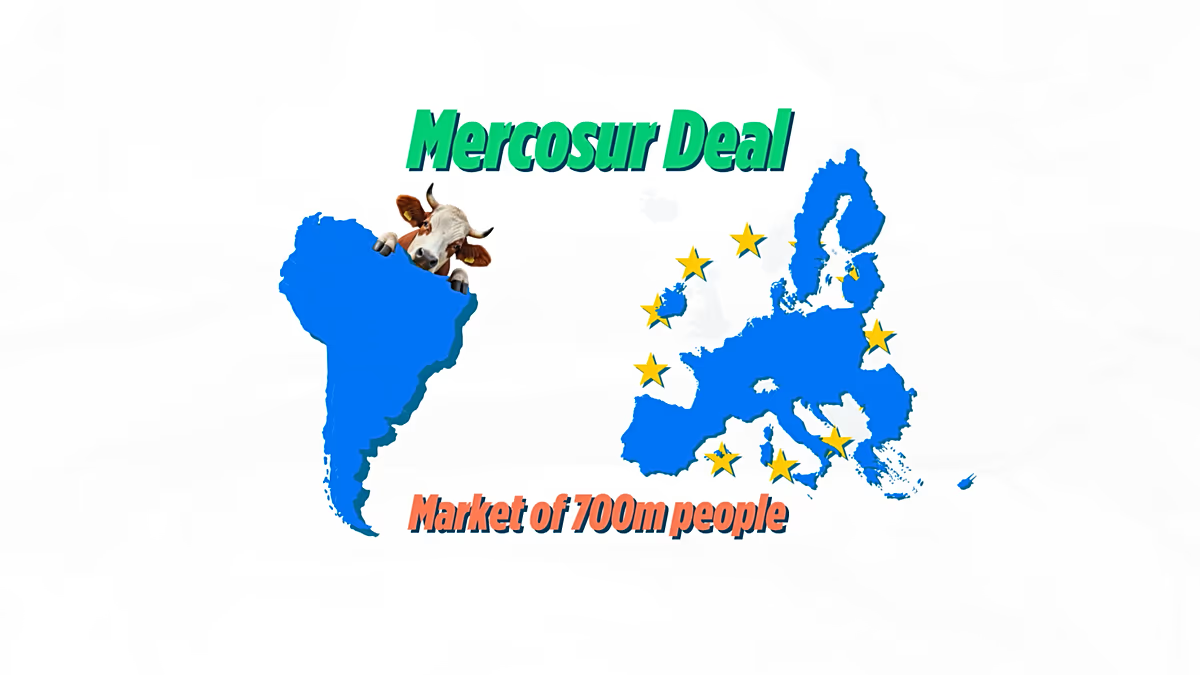

French farmers are protesting across the country, clashing with authorities as the government implements mass culling of livestock in response to an outbreak of lumpy skin disease. This viral illness, impacting cattle and buffalo, has ignited a fierce debate about trade standards and the future of the EU-Mercosur trade agreement. The protests began escalating in early December 2025 and continue to disrupt agricultural activity.
The unrest centers on concerns that the strict measures taken to combat the disease within the European Union are being undermined by potential imports of beef from South America under the proposed Mercosur deal. This has created a complex political situation with significant implications for both European and South American agricultural sectors.
Lumpy Skin Disease and the Mercosur Trade Deal: A Collision Course
Lumpy skin disease, while not a threat to human health, causes significant economic losses for farmers due to reduced milk production, decreased fertility, and trade restrictions. The disease is transmitted by insects, ticks, and potentially contaminated equipment, according to the World Organisation for Animal Health. The current outbreak in France initially appeared in the south of the country and has since spread, prompting the French government to authorize the preventative slaughter of entire herds, even with only one confirmed case.
Farmer Protests and Grievances
Farmers argue that the complete destruction of healthy animals is an excessive measure and financially devastating. They demonstrate against what they consider a double standard, where European livestock faces severe culling while potentially importing beef from Mercosur countries with differing animal health and welfare regulations. These regulations often permit the use of pesticides and antibiotics that are prohibited within the EU.
The frustrations are not solely focused on animal health. Farmers are also deeply concerned about the potential impact of cheaper South American beef on their livelihoods and the overall European agricultural market. They contend that the Mercosur deal prioritizes trade liberalization over the protection of European agricultural standards and producers.
The Reciprocity Clause: A Key Vote
At the heart of the dispute is a potential “reciprocity clause” scheduled for a vote in the European Parliament this week. This clause would essentially require that any country seeking access to the EU market adheres to the same standards as those applicable within the Union. This “mirror rule,” as some are calling it, aims to level the playing field and ensure fair competition.
However, the Mercosur bloc – comprising Argentina, Brazil, Paraguay, and Uruguay – is reportedly hesitant to accept such a clause. Implementing EU regulations across the board would necessitate significant changes to their agricultural practices and potentially limit their export capacity. Negotiations are ongoing, but the prospects for agreement appear increasingly uncertain.
Meanwhile, the European Commission has been attempting to reassure farmers that any imported beef would meet strict safety and quality standards. According to statements released by the Commission, imported products will undergo rigorous inspection to ensure compliance with EU regulations.
Political Ramifications and Future Outlook
The situation has become highly politicized, with far-right and nationalist parties seizing upon the farmers’ grievances to criticize the EU and advocate for greater protectionist measures. A vote against the reciprocity clause could trigger widespread protests across rural Europe, destabilizing governments and potentially hindering the EU’s broader political agenda. The European Parliament faces a difficult balancing act.
Conversely, a vote in favor could lead South American nations to withdraw from the negotiations, effectively killing the Mercosur deal. This would represent a significant setback for the EU’s efforts to diversify its trade relationships and gain access to new markets.
The outcome of the European Parliament vote will be crucial in determining the future of both European agriculture and the ambitious Mercosur trade agreement. The ongoing outbreak of lumpy skin disease in France has acted as a catalyst, bringing these tensions to a head. Stakeholders are watching closely to see if a compromise can be reached, or whether this confluence of factors will reshape the landscape of international beef trade and agricultural policy.
Stay informed about developments in the EU-Mercosur negotiations and the spread of lumpy skin disease. You can follow updates from the European Commission and relevant agricultural organizations to stay abreast of this evolving situation.