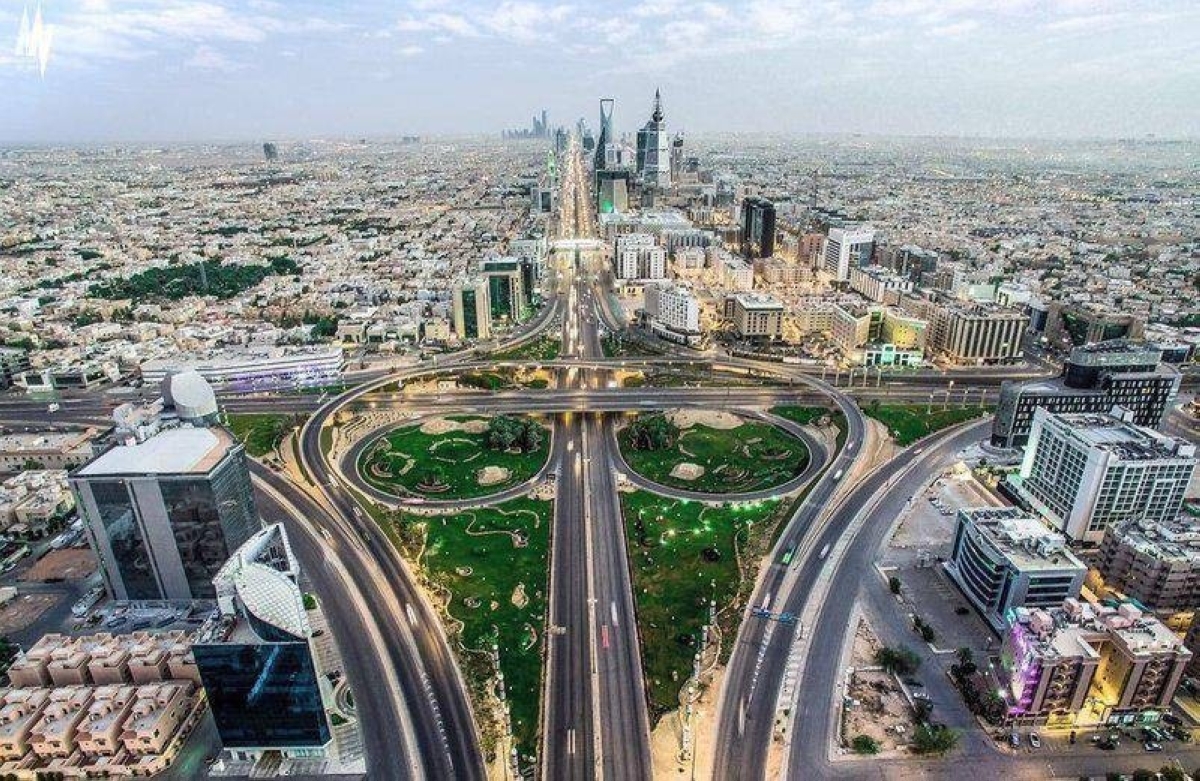

Riyadh has become the first city in the Middle East to receive the prestigious Global Active City certification, recognizing its commitment to fostering active living and community well-being. The Royal Commission for Riyadh City (RCRC) announced the award, highlighting the city’s progress in promoting healthy lifestyles for all residents and visitors. This achievement underscores Saudi Arabia’s broader goals outlined in Vision 2030.
The certification, awarded by the Active Well-being Initiative – a collaboration between TAFISA, Evaleo, and supported by the International Olympic Committee – acknowledges Riyadh’s comprehensive approach to integrating physical activity into urban planning and daily life. The announcement was made earlier this week, marking a significant milestone for the Kingdom’s capital. According to the RCRC, the recognition reflects the leadership’s vision and ongoing investment in quality-of-life improvements.
Riyadh’s Journey to Becoming a Global Active City
The Global Active City certification isn’t simply an award; it’s a validation of a strategic, multi-sectoral effort. Riyadh’s success stems from a collaborative approach involving the Ministry of Sport, the Saudi Sports for All Federation, and over 20 other relevant entities. This partnership demonstrates a unified commitment to prioritizing public health and wellness. The initiative focused on creating an environment where physical activity is accessible and encouraged for all segments of the population.
Key Components of Riyadh’s Active City Strategy
Several key areas contributed to Riyadh’s successful application. These included significant investments in infrastructure, such as expanded walking and cycling paths, and the development of new sports facilities. Additionally, the city has focused on implementing programs that promote physical activity across various age groups and abilities. The RCRC emphasized the importance of integrating these efforts with existing urban planning and transportation initiatives.
The city’s approach also extends to policy frameworks and governance systems designed to support long-term sustainability. According to the RCRC, this includes policies that encourage active transportation, promote healthy eating, and create safe and accessible public spaces. These policies are intended to create a lasting impact on the health and well-being of Riyadh’s residents.
The Significance of the Global Active City Certification
The Global Active City certification signifies more than just improved infrastructure and programs. It demonstrates a fundamental shift in how Riyadh approaches urban development, prioritizing the health and well-being of its citizens. This aligns directly with the Quality of Life Program, a key pillar of Saudi Vision 2030. The program aims to enhance livability and create a vibrant, thriving city for all.
The certification process involved a rigorous evaluation of Riyadh’s progress in several areas, including infrastructure, programs, governance, and policy. The Active Well-being Initiative assessed the city’s ability to create a supportive environment for healthy lifestyles and to measure the impact of its initiatives. This comprehensive assessment ensures that the certification is awarded to cities that demonstrate a genuine commitment to active living.
Meanwhile, the achievement is expected to attract further investment in sports and recreation facilities within Riyadh. It also positions the city as a regional leader in promoting public health and wellness. The Ministry of Sport has indicated its continued support for initiatives that encourage physical activity and improve the quality of life for Saudi citizens.
In contrast to many rapidly developing cities, Riyadh’s focus on well-being alongside economic growth sets it apart. This holistic approach is increasingly recognized as essential for creating sustainable and livable urban environments. The city’s success could serve as a model for other cities in the region and beyond.
Looking Ahead: Continued Investment and Expansion
The RCRC has stated its commitment to building on this success and further expanding access to active living opportunities throughout Riyadh. Future plans include the development of new parks, recreational facilities, and pedestrian-friendly zones. The city is also exploring innovative ways to integrate technology into its active city strategy, such as using mobile apps to promote physical activity and track progress.
However, the long-term impact of the certification will depend on sustained investment and continued collaboration between various stakeholders. Monitoring key indicators, such as rates of physical activity and public health outcomes, will be crucial for assessing the effectiveness of the city’s initiatives. The next phase will likely involve a detailed evaluation of the initial impact and adjustments to the strategy based on the findings, with a progress report expected within the next 18 months.