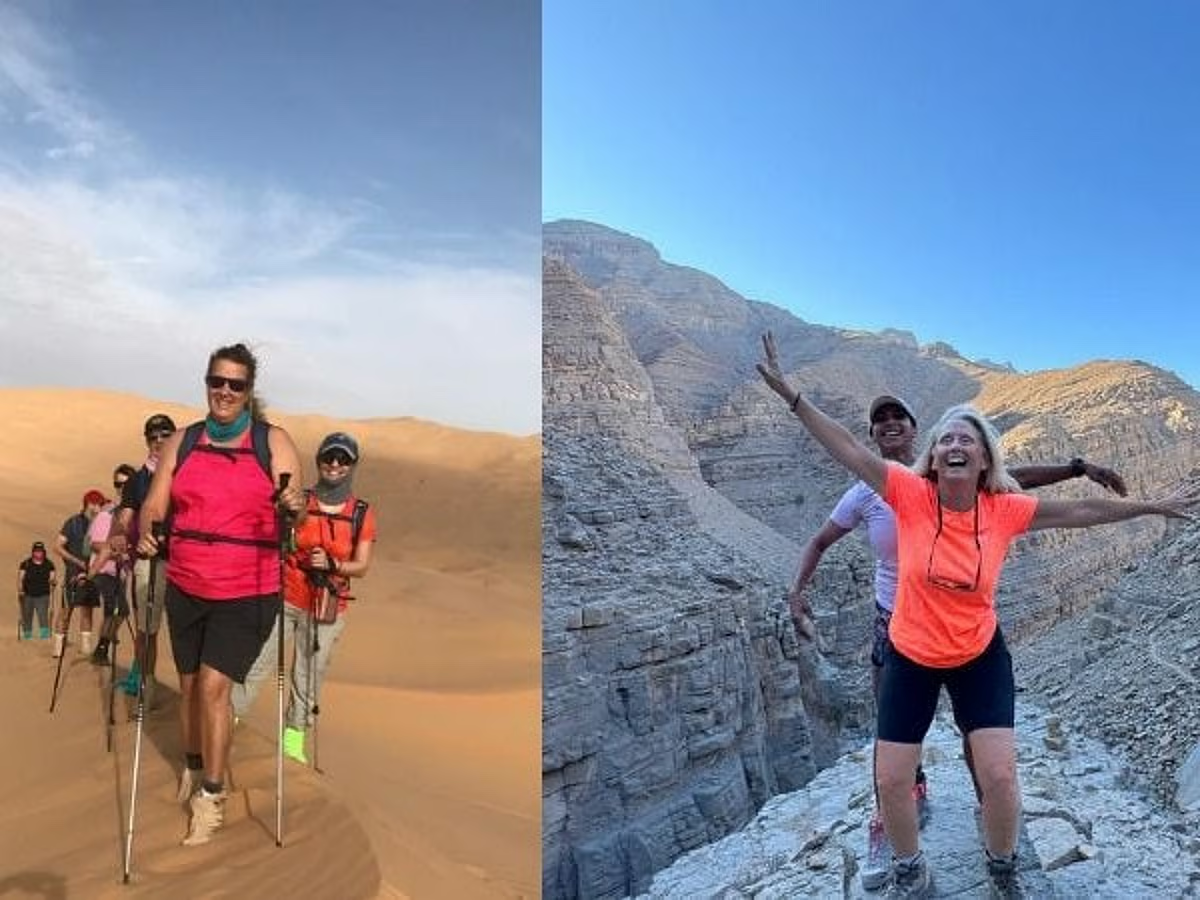

The allure of stunning landscapes shared on social media is driving a surge in hiking participation in the UAE, but experts warn that relying solely on Instagram for planning can lead to dangerous underestimation of the activity’s challenges. Many novice hikers are discovering that the reality of reaching picturesque viewpoints often differs significantly from the curated images they see online. This discrepancy highlights the need for proper preparation, respect for the environment, and a realistic understanding of the physical demands involved.
The Instagram Hiking Gap: Expectation vs. Reality
Sumeet Punjabi, a regular hiker in the UAE known as Paparambo, recounts his initial experiences mirroring this trend. Inspired by images on Instagram, he and friends attempted a hike on Jebel Jais in Ras Al Khaimah, only to find themselves unprepared for the actual conditions. “We were not able to match the pictures I had in my feed,” Punjabi admitted, illustrating a common frustration among beginners. This experience prompted him to seek guidance from more experienced hikers and learn the intricacies of navigating the region’s trails.
This gap between online presentation and real-world experience isn’t unique to the UAE. Globally, increased social media use has correlated with a rise in search and rescue operations related to outdoor activities. The problem stems from a tendency to focus on the aesthetic appeal of a location, often overlooking crucial details about trail difficulty, elevation gain, and necessary equipment. Additionally, the desire to recreate a specific photograph can lead hikers to venture off marked paths and into potentially hazardous areas.
Essential Safety Measures for Hikers
Experienced hikers consistently emphasize the importance of treating trekking as an extreme sport, requiring serious preparation and adherence to safety protocols. Punjabi stresses that engaging with mountainous terrain demands respect and a proactive approach to risk management. He outlines several non-negotiable fundamentals for safe hiking, including never hiking alone, staying on designated routes or closely following a map, carrying sufficient supplies, and wearing appropriate hiking shoes.
Beyond these basics, preparation should begin the day before a hike. Hikers are advised to eat a simple, easily digestible dinner and thoroughly check their vehicle’s tires and fuel levels. These seemingly minor details can significantly impact a hiker’s safety and ability to respond to unexpected situations. The UAE government also provides resources and guidelines for safe outdoor activities, particularly during the hotter months.
Building Resilience Through Hiking
The benefits of outdoor adventure extend beyond physical fitness, according to Debbie Nicol, founder and MD of business en motion and a hiker of over 40 years. She views hiking as a valuable outlet for entrepreneurs and a means of cultivating resilience. “Getting out into nature and pushing the limits is how I stay strong, fill up for the next week,” Nicol explained.
Nicol recommends that beginners surround themselves with experienced hikers and join organized hiking groups to gain confidence and knowledge. She also stresses the importance of carrying at least 2-3 liters of water and investing in quality hiking boots. However, she believes the most profound lesson lies in the mental fortitude developed through challenging hikes.
“Nature teaches us so many lessons,” Nicol reflects. “It always reinforces that ‘what you focus on, you bring about.’” She explains that focusing on fear can lead to mistakes, while maintaining a positive and forward-looking mindset enhances performance and safety. This mental discipline translates directly to other areas of life, fostering a sense of control and adaptability.
As the popularity of hiking in the UAE continues to grow, authorities are expected to increase efforts to promote responsible outdoor recreation. This may include enhanced trail marking, improved emergency response systems, and public awareness campaigns emphasizing the importance of preparation and safety. The long-term success of this trend will depend on hikers’ willingness to prioritize safety and respect the environment, moving beyond the curated images of social media to embrace the true challenges and rewards of the mountains. Further development of standardized trail difficulty ratings and readily available information on current conditions will also be crucial in mitigating risks and ensuring a positive experience for all.