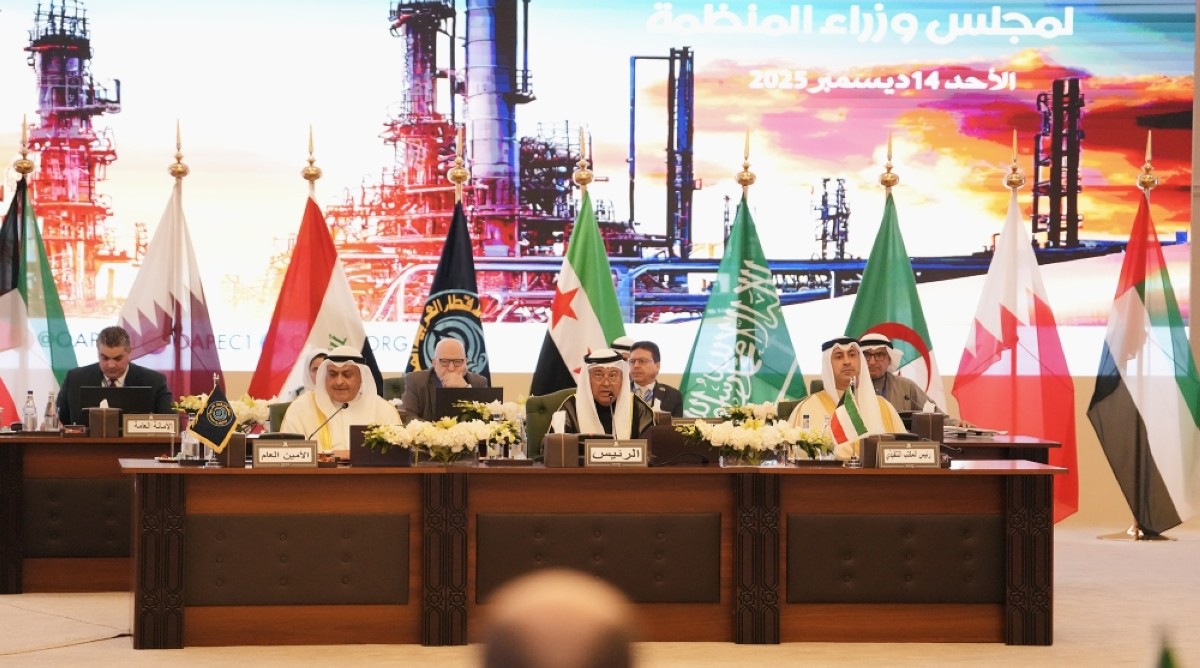

Kuwait has indicated a preferred crude oil price range of $60 to $68 per barrel, reflecting its assessment of fair value amidst current global market dynamics. This position was articulated by Oil Minister Tareq Al-Roumi on Sunday, following discussions at the Arab Energy Organization (AEO) ministerial meeting held in Kuwait City. The meeting underscored the importance of regional cooperation in navigating a rapidly evolving energy landscape, alongside discussions on future projects and organizational restructuring.
Kuwait’s Perspective on Current Oil Prices
Minister Al-Roumi expressed surprise at the recent downturn in oil prices, characterizing it as unexpected. He emphasized that the $60-$68 range represents a reasonable level considering prevailing supply and demand factors. This statement comes at a crucial time, as global economic uncertainties and shifting geopolitical landscapes continue to influence energy markets.
The minister’s comments signal Kuwait’s desire for market stability and a price point that supports sustainable investment in the oil sector. While not explicitly stating a preference for intervention, the articulation of a ‘fair’ price range suggests a willingness to engage in discussions with other producers to address potential imbalances.
Petrochemical Expansion Plans
Beyond price considerations, Kuwait is actively pursuing strategic investments to diversify its energy portfolio. A key project on the horizon is a planned petrochemicals complex in Duqm, Oman. Kuwait is currently seeking a partner to co-develop this ambitious undertaking.
However, Al-Roumi affirmed Kuwait’s commitment to proceeding with the project even without securing an investor. This demonstrates a strong dedication to expanding its downstream capabilities and strengthening its regional presence in the petrochemical industry. Omani state energy company OQ is also actively exploring potential partnerships following SABIC’s withdrawal from the project, highlighting the continued interest in this venture.
Arab Energy Organization (AEO) Updates & Restructuring
The ministerial meeting also served as a platform for the AEO (formerly OAPEC) to solidify its role as a key regional energy body. Member states voiced their appreciation for ongoing efforts to modernize and restructure the organization’s operations.
The meeting culminated in the adoption of the AEO’s draft budget for 2026 and a mandate for the General Secretariat to implement strategic initiatives related to the organization’s rebranding. The official adoption of the name “Arab Energy Organization” signifies a renewed focus on a broader energy agenda, encompassing not just oil but also renewable energy sources and sustainable practices.
Commitment to Sustainability Initiatives
The communique from the 115th ministerial meeting highlighted member states’ support for the Middle East Green Initiative and the implementation of the Carbon Circular Economy (CCE) concept. This reflects a growing regional awareness of the need to address climate change and transition towards a more sustainable energy future.
The AEO General Secretariat will collaborate with a Saudi taskforce to strengthen cooperation and advance these regional priorities. This collaborative approach underscores the commitment to a unified Arab response to global energy challenges.
Leadership Transition and Future Outlook
Khaled Al-Otaibi was elected as the new Secretary-General of the AEO, with his three-year term commencing in early March 2026. This leadership transition is expected to bring fresh perspectives and drive further innovation within the organization.
Outgoing Secretary-General Jamal Al-Loughani thanked the Kuwaiti government for hosting the meeting and praised Minister Al-Roumi’s facilitation. He emphasized the AEO’s entry into a new phase, characterized by both opportunities and challenges, requiring collective efforts from all member states. The focus remains on policy coordination and creating a supportive environment for continued growth. The discussions surrounding energy security were also prominent throughout the meeting.
The meeting, chaired by Al-Roumi, emphasized the critical timing of discussions given the rapid global energy transition and the challenges it presents. He stressed the need for unified visions and strengthened coordination to maintain market stability and enhance the organization’s regional and international influence. Kuwait’s full support for the AEO’s development was reaffirmed, alongside a commitment to adapting to global energy shifts and deepening integration among member states.
In conclusion, the recent Arab Energy Organization meeting in Kuwait highlighted a shared commitment to regional cooperation, sustainable energy practices, and market stability. Kuwait’s articulation of a preferred oil price range, coupled with its ambitious petrochemical expansion plans, demonstrates its proactive approach to navigating the evolving energy landscape. The AEO’s restructuring and leadership transition signal a renewed focus on addressing the challenges and opportunities of the future, paving the way for a more sustainable and integrated energy future for the Arab region. Further analysis of global economic indicators and geopolitical events will be crucial in understanding the future trajectory of oil prices and regional energy policies.