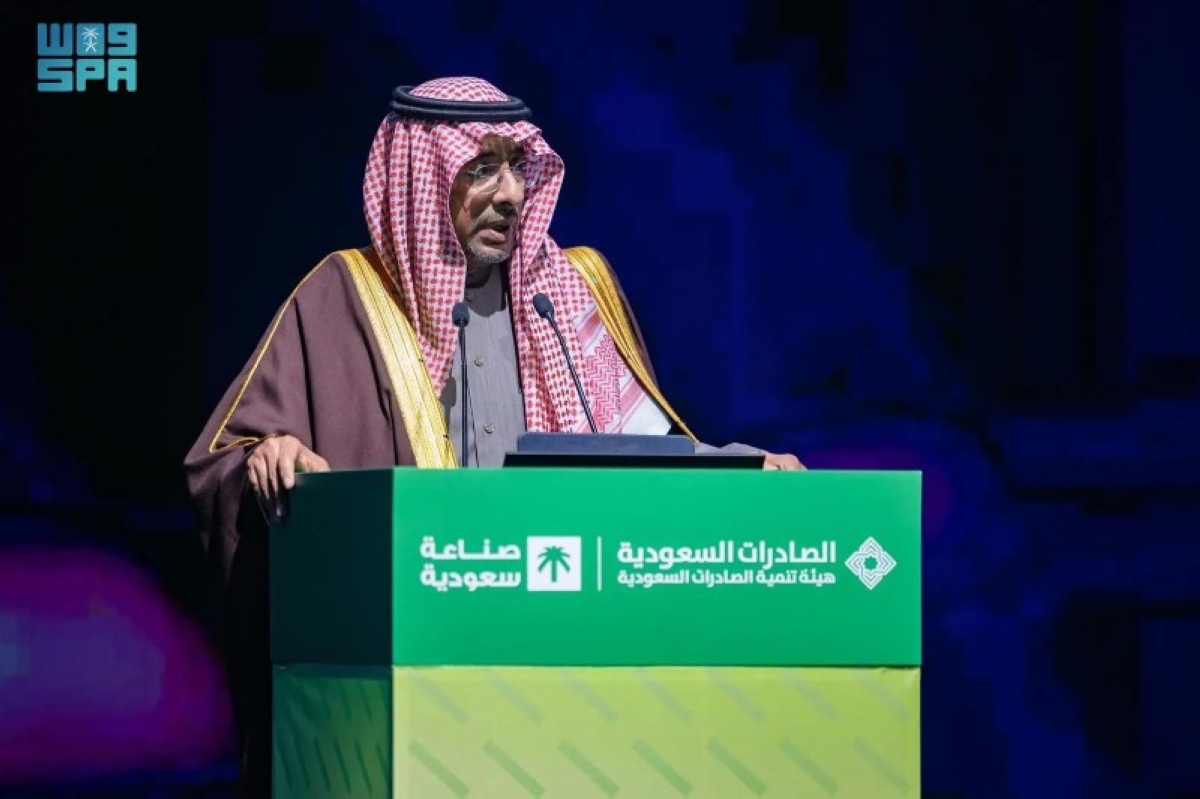

RIYADH — The third annual “Made in Saudi Arabia” exhibition opened in Riyadh on Monday, showcasing the Kingdom’s growing industrial capabilities and commitment to economic diversification. Minister of Industry and Mineral Resources Bandar Alkhorayef inaugurated the event, highlighting the program’s success in boosting non-oil exports and establishing Saudi products in global markets. The exhibition aims to foster partnerships and further empower the nation’s private sector.
The four-day event, running until Thursday, features over 3,700 registered companies and more than 19,000 registered products, according to the Ministry of Industry and Mineral Resources. It serves as a key platform for demonstrating the quality and competitiveness of Saudi-made goods to both domestic and international audiences. Syria is the guest of honor this year, signaling a strengthening of economic ties between the two nations.
The Rise of “Made in Saudi Arabia”
Launched in 2021, the “Made in Saudi Arabia” program is a central component of Saudi Arabia’s Vision 2030 plan, which seeks to reduce the Kingdom’s reliance on oil revenue and develop a robust, diversified economy. The initiative focuses on promoting local manufacturing, encouraging innovation, and facilitating access to international markets for Saudi businesses. The program’s success is evidenced by the significant increase in non-oil exports.
Record Export Growth
Saudi non-oil exports reached a record SR515 billion in 2024, the ministry said. This trend continued into the first half of 2025, with exports peaking at SR307 billion. These figures demonstrate the growing contribution of the industrial sector to the national economy and the effectiveness of the “Made in Saudi Arabia” program in driving export growth. This growth is also supported by increased investment in Saudi manufacturing.
The Saudi Export Development Authority (Saudi Exports) has played a crucial role in facilitating this expansion. According to Alkhorayef’s opening remarks, Saudi Exports has secured 108 export agreements and registered 433 new importers on its “Import from Saudi Arabia” platform. Furthermore, nine export houses have been licensed, successfully accessing 21 countries and generating exports totaling SR390 million in 2025.
Financial support for these export initiatives is being provided by the Saudi Export-Import Bank (Saudi Exim). Since its establishment through September 2024, Saudi Exim has provided credit facilities exceeding SR100 billion. Over SR5 billion of this funding has been allocated to international trading houses operating in more than 150 markets worldwide, supporting the expansion of Saudi businesses into new territories.
Empowerment and Strategic Partnerships
This year’s exhibition theme, “Building Empowerment,” underscores the program’s focus on enhancing competitiveness and product quality. The initiative aims to empower private sector partners and build upon the successes of previous editions, including the launch of the “Saudi Technology” brand and the “Export Houses” service. However, sustaining this momentum requires continued investment in skills development and infrastructure.
The inclusion of Syria as the guest of honor, with 25 Syrian companies participating under the slogan “We Are Alike,” signifies a renewed focus on regional economic integration. This move reflects the deepening fraternal relations between Saudi Arabia and Syria and aims to open new avenues for industrial and economic cooperation. The long-term impact of this partnership remains to be seen.
Alkhorayef emphasized the critical role of collaboration between the public and private sectors in the success of the “Made in Saudi Arabia” program. He expressed appreciation for the support of government agencies and national companies, as well as the efforts of Saudi Exports and the exhibition organizers. The minister also highlighted the importance of industrial growth in achieving Vision 2030 goals.
Looking ahead, the Ministry of Industry and Mineral Resources is expected to announce further initiatives to support the “Made in Saudi Arabia” program in the coming months. Monitoring the continued growth of non-oil exports and the expansion of Saudi businesses into new international markets will be key indicators of the program’s ongoing success. The impact of geopolitical factors and global economic conditions on these trends will also be crucial to observe.