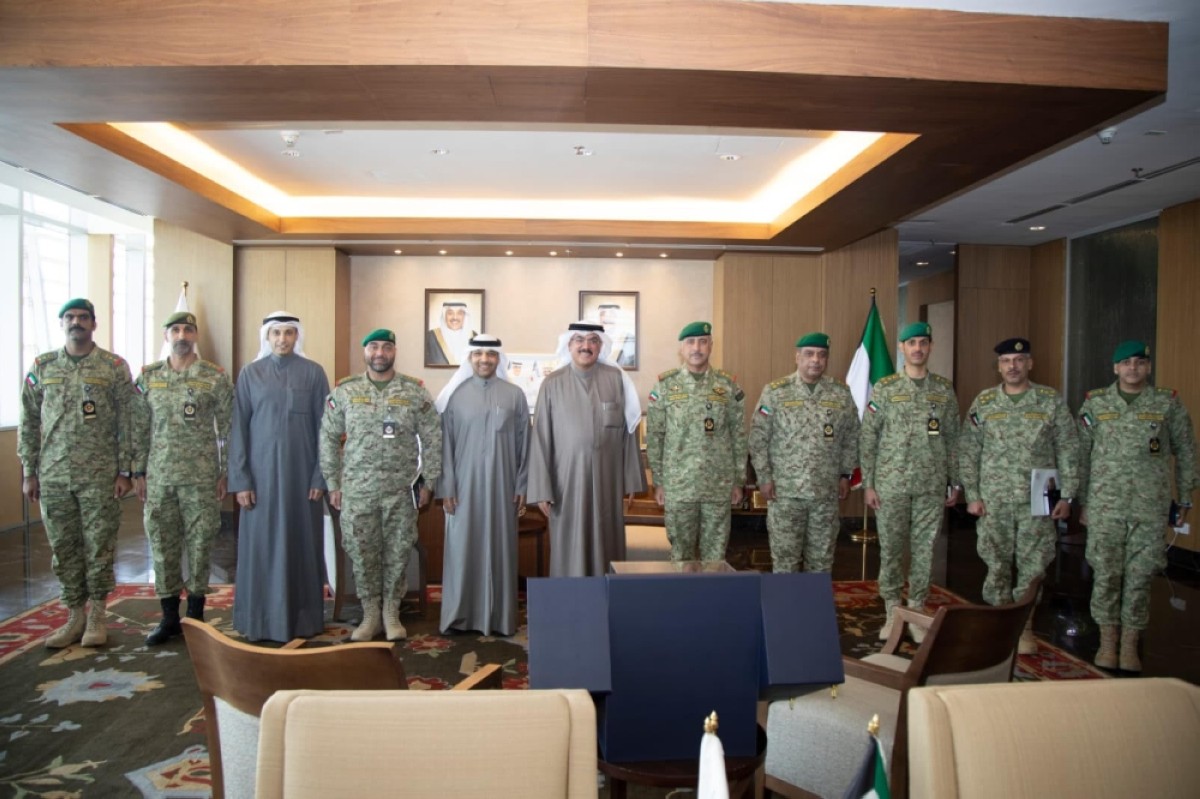

Kuwait is prioritizing the holistic development of its students, recognizing the crucial link between education, behavioral well-being, and national values. Recent discussions between the Minister of Education, Jalal Al-Tabtabaei, and the Undersecretary of the National Guard, Lieutenant General Hamad Al-Barjas, highlight a strengthened commitment to student development through collaborative initiatives. This partnership aims to create a more supportive and enriching learning environment for all Kuwaiti youth.
Strengthening National Partnerships for Student Development
The meeting between Minister Al-Tabtabaei and Lieutenant General Al-Barjas signifies a proactive approach to addressing the evolving needs of students in Kuwait. The Ministry of Education’s press release emphasized the importance of unifying efforts and forging stronger national partnerships. This isn’t simply about coordinating schedules; it’s about leveraging the unique strengths of both institutions to create a synergistic effect on the educational landscape.
This collaboration acknowledges that effective student development extends beyond traditional academic learning. It requires a focus on life skills, behavioral guidance, and the instilling of core national values. The National Guard, with its focus on discipline and national service, brings a valuable perspective to this equation.
The Role of Security Bodies in Education
The involvement of security bodies like the National Guard in educational initiatives might seem unconventional to some. However, it reflects a growing understanding of the interconnectedness of societal well-being and the education system. By working together, educational and security institutions can create a more secure and disciplined environment conducive to learning.
This partnership isn’t about militarizing schools, but rather about sharing expertise in areas like leadership, responsibility, and ethical conduct. It’s about providing students with positive role models and equipping them with the skills they need to become responsible citizens.
Proposed Initiatives for Enhanced Student Well-being
Several concrete proposals were discussed during the meeting, all geared towards improving the overall experience and outcomes for Kuwaiti students. These initiatives demonstrate a thoughtful and targeted approach to educational initiatives.
Life Skills Programs
A key area of focus is the development of joint programs designed to enhance students’ life skills. These skills, encompassing areas like communication, problem-solving, and critical thinking, are essential for success in the 21st century. The programs will likely incorporate practical exercises and real-world scenarios, allowing students to apply their learning in meaningful ways.
Awareness-Raising Field Visits
Organizing awareness-raising field visits to schools is another proposal on the table. These visits would provide students with opportunities to learn about the roles and responsibilities of various national institutions, including the National Guard. Such exposure can foster a sense of national pride and encourage civic engagement.
These visits aren’t intended to be purely informational. They are designed to be interactive and engaging, sparking curiosity and encouraging students to ask questions.
Specialized Support for Behavioral Challenges
Recognizing that some students require additional support, the discussion also included plans for specialized programs for those facing behavioral challenges. These programs will prioritize a corrective and rehabilitative approach, grounded in structured educational principles and adhering to approved educational frameworks. The goal is not simply to punish undesirable behavior, but to understand its root causes and provide students with the tools they need to make positive changes. This focus on behavioral rehabilitation is a crucial component of holistic student development.
Implementation and Future Outlook
Both the Ministry of Education and the National Guard emphasized the need for a collaborative approach to studying these proposals and establishing clear mechanisms for their implementation. A joint working group is likely to be formed to oversee the development and rollout of these initiatives.
The success of this partnership will depend on effective communication, shared resources, and a commitment to prioritizing the best interests of students. Furthermore, ongoing evaluation and adaptation will be essential to ensure that the programs remain relevant and effective. The Ministry also highlighted the importance of promoting national values throughout the educational process.
This collaboration represents a significant step forward in Kuwait’s efforts to provide a well-rounded education that prepares students for success in all aspects of life. By combining the expertise of educational and security institutions, Kuwait is creating a more supportive and enriching learning environment for its future generations. The focus on proactive measures, like life skills training and behavioral support, demonstrates a commitment to preventing problems before they arise and fostering a culture of responsibility and respect.
It is anticipated that further details regarding the implementation timeline and specific program content will be released in the coming weeks. Stakeholders, including parents, teachers, and community members, are encouraged to stay informed and participate in the ongoing dialogue surrounding these important student development initiatives.