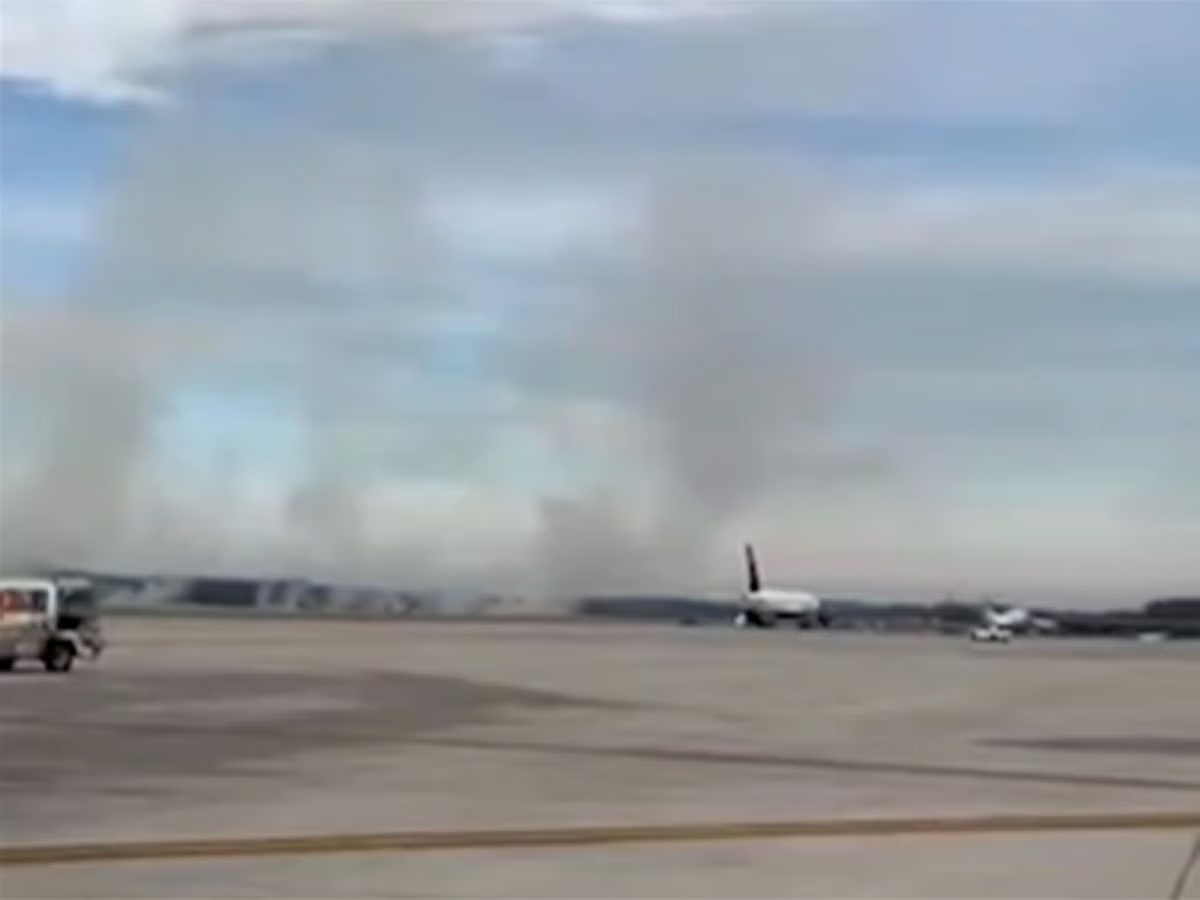

A United Airlines flight returned to Denver International Airport on Saturday after experiencing an engine failure shortly after takeoff. The incident, involving Flight UA302 to Orlando, Florida, prompted a precautionary return and subsequent emergency landing, raising concerns about aviation safety and prompting an investigation by federal authorities. The aircraft, a Boeing 757-200, landed safely with no reported injuries among the 230 passengers and 10 crew members.
The engine failure occurred at approximately 1:09 PM Mountain Time, while the plane was climbing after departing from Denver. Air traffic controllers were immediately notified, and the flight crew initiated a standard return to the airport procedure. The Federal Aviation Administration (FAA) is currently investigating the cause of the incident, and the National Transportation Safety Board (NTSB) will likely join the investigation to determine the root cause.
Details of the United Airlines Engine Failure
Initial reports indicate the issue stemmed from a problem with the aircraft’s right engine. Video footage circulating on social media appears to show a significant amount of debris falling from the engine as the plane gained altitude. However, United Airlines has not yet publicly specified the exact nature of the mechanical issue.
Immediate Response and Landing
The flight crew responded according to established safety protocols. They maintained control of the aircraft and communicated effectively with air traffic control throughout the event. Denver International Airport activated its emergency response plan, including preparing fire and rescue teams as a precaution.
The landing was described by officials as smooth and controlled, despite the compromised engine. Emergency services were on standby to assist passengers and crew upon arrival, but ultimately were not needed for medical attention. Passengers were deplaned and provided with accommodations and rebooking options.
This incident highlights the rigorous training and procedures in place for pilots and air traffic controllers to handle unexpected mechanical issues. The quick thinking and calm execution of the crew were crucial in ensuring a safe outcome for everyone on board. The airline is cooperating fully with the ongoing investigation.
Boeing 757 Maintenance History
The Boeing 757-200 involved in the incident is a relatively older aircraft, with the specific plane entering service in 1998, according to aviation tracking websites. While Boeing 757s are known for their reliability, all aircraft require regular and thorough maintenance checks.
The FAA mandates specific inspection schedules for all commercial aircraft, including the 757, based on flight hours and cycles. These inspections are designed to identify and address potential issues before they escalate into more serious problems. The maintenance records for this particular aircraft will be a key component of the NTSB’s investigation.
Additionally, the Pratt & Whitney engines commonly used on the 757 have been the subject of increased scrutiny in recent years due to reports of premature wear and tear. The FAA issued an Airworthiness Directive in 2019 related to these engines, requiring more frequent inspections of certain components. It is currently unclear if this directive is related to the engine failure on the United flight.
Impact and Investigation
The incident caused temporary disruptions to operations at Denver International Airport. Several flights were delayed or canceled as a result of the runway closure needed for inspection following the emergency landing. The airport returned to normal operations within a few hours, but the ripple effects were felt throughout the day.
The FAA investigation will focus on a number of areas, including the aircraft’s maintenance history, the engine’s performance data, and the flight crew’s actions. Investigators will examine the recovered engine parts for any signs of manufacturing defects, fatigue, or other contributing factors. They will also review the flight data recorder and cockpit voice recorder to gain a comprehensive understanding of the events leading up to the engine failure.
This event comes amid heightened public awareness of aviation safety following other recent incidents involving aircraft. While mechanical issues are a relatively rare occurrence, they underscore the importance of continuous monitoring and proactive maintenance. The airline industry maintains a strong safety record, but incidents like this serve as a reminder that vigilance is paramount.
The investigation into the United Airlines engine failure is expected to be complex and could take several months to complete. The NTSB will issue a preliminary report within a few weeks, providing a factual overview of the incident. A final report, which will include the NTSB’s findings and recommendations, is typically released within 12-18 months.
The FAA is also conducting a broader review of inspection procedures for Pratt & Whitney engines on Boeing 757 aircraft. This review, announced shortly after the incident, aims to ensure that all necessary safety measures are in place. The outcome of this review could lead to further changes in maintenance requirements for this type of aircraft. The incident also raises questions about the overall fleet age and the potential for increased maintenance needs as aircraft get older, a topic of ongoing discussion within the aviation industry.
United Airlines has stated that it is taking the incident “very seriously” and is committed to ensuring the safety of its passengers and crew. The airline is conducting its own internal review of the event, in addition to cooperating with the FAA and NTSB investigations. They are also working to minimize disruptions to their flight schedule and provide support to affected passengers. The airline’s response will be closely watched by regulators and the public alike.
Looking ahead, the focus will remain on determining the precise cause of the engine failure and implementing any necessary corrective actions. The FAA and NTSB will likely issue safety recommendations based on their findings, which could impact maintenance procedures and aircraft operations across the industry. The investigation’s progress and any resulting directives will be key developments to monitor in the coming months.
The incident also highlights the importance of passenger awareness and reporting. Witness accounts and video footage, such as that shared on social media, can provide valuable insights for investigators. Continued investment in advanced engine monitoring technologies and predictive maintenance programs will also be crucial in preventing future occurrences and maintaining the highest levels of flight safety.