


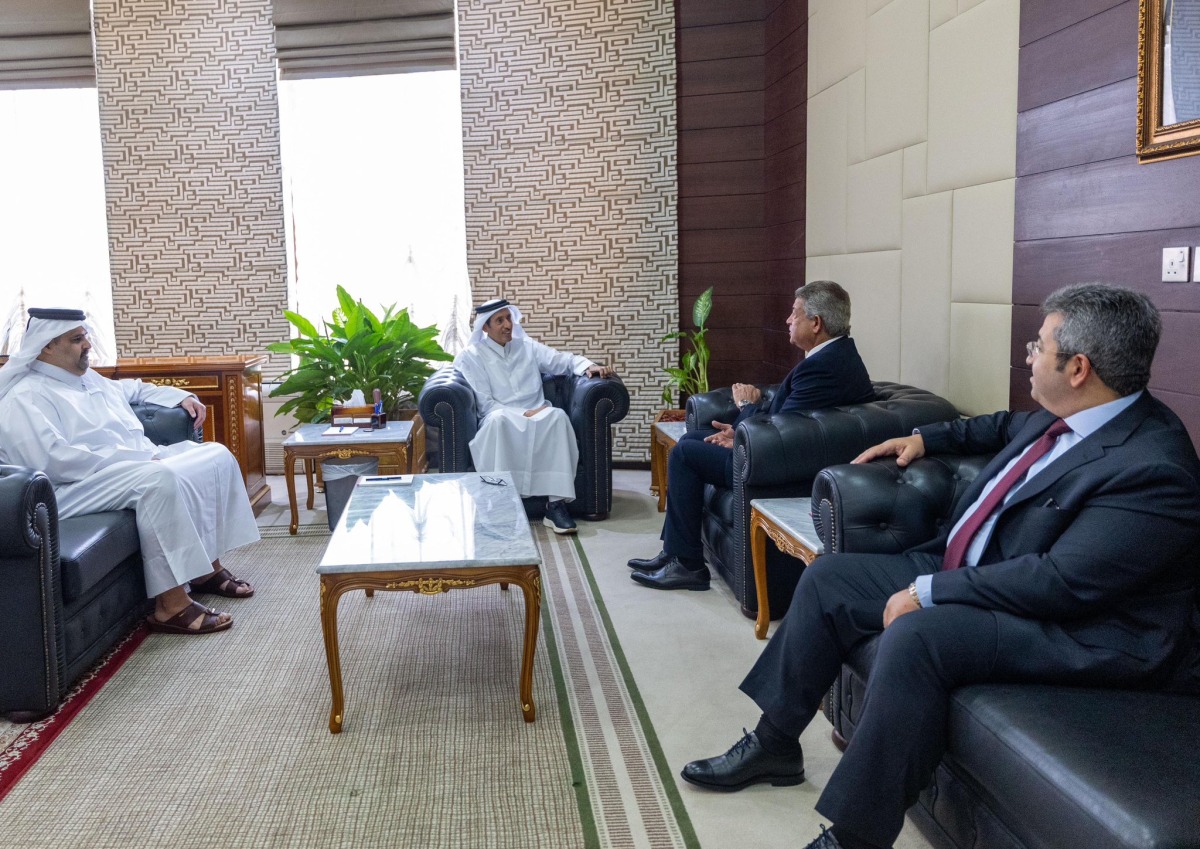

Doha, Qatar – A meeting between Qatari and Egyptian media leaders took place on Monday, signaling potential advancements in media cooperation between the two nations. Chairman of Qatar Media Corporation (QMC) Sheikh Hamad bin Thamer Al-Thani met with Chairman of the Supreme Council for Media Regulation of Egypt, Eng. Khaled Abdel Aziz, to discuss collaborative opportunities and shared interests within the media landscape. The discussions focused on strengthening ties and fostering development in the sector, according to a statement released by QMC.
The meeting, held in Doha, involved an exchange of views on current media trends and challenges facing both countries. Attendees included QMC CEO Sheikh Khalid bin Abdulaziz bin Jassim Al-Thani and the Egyptian Ambassador to Qatar, Walid Fahmy Al Faqi. The visit by the Egyptian official underscores the growing importance of regional partnerships in shaping the future of news and information dissemination.
Strengthening Qatar-Egypt Media Cooperation
The primary goal of the meeting was to explore avenues for enhanced media cooperation. Both Qatar and Egypt have been actively investing in their media infrastructure and seeking to broaden their international reach. This collaboration could involve joint production of content, exchange of expertise, and training programs for media professionals.
Qatar has emerged as a significant player in the global media market, notably through its investment in BeIN Sports and Al Jazeera Media Network. These platforms have expanded the reach of Arabic-language programming and provided a counter-narrative to some Western media outlets. Egypt, with its long history of film and television production, possesses a wealth of creative talent and established production capabilities.
Areas of Potential Collaboration
Several specific areas were likely discussed during the meeting. These include:
Content sharing and co-production: Opportunities to create joint television programs, documentaries, and news features that appeal to audiences across the Arab world. This could lead to a more diverse and engaging media content offering.
Regulatory frameworks: Sharing best practices in media regulation to ensure responsible journalism and protect freedom of expression. Both countries are navigating evolving digital media regulations.
Technological advancements: Exploring the use of new technologies, such as artificial intelligence and virtual reality, to enhance media production and delivery. This is particularly relevant as digital media continues to grow in prominence.
However, the specifics of any agreements reached remain undisclosed. The meeting served as a platform for initial discussions and identifying potential areas of synergy. Further negotiations will be required to formalize any concrete partnerships.
The timing of this meeting is noteworthy, occurring amidst broader diplomatic efforts to strengthen ties between Qatar and Egypt. Relations between the two countries have seen fluctuations in recent years, but recent high-level visits suggest a renewed commitment to cooperation. This improved political climate likely facilitated the discussions on media collaboration.
Meanwhile, the focus on media development aligns with both countries’ broader economic diversification strategies. Investing in a robust and innovative media sector can contribute to economic growth and create new employment opportunities. A thriving media industry also enhances a nation’s soft power and cultural influence.
In contrast to some regional media environments, both Qatar and Egypt maintain a relatively open, though regulated, media landscape. This shared approach could make collaboration easier, as both countries are committed to responsible journalism within established legal frameworks. The discussions likely touched upon navigating the challenges of misinformation and ensuring media literacy.
The next steps are expected to involve the formation of joint working groups to delve deeper into specific areas of cooperation. A timeline for the implementation of any agreements has not been announced, and the success of these initiatives will depend on sustained political will and effective coordination between the relevant authorities. Observers will be watching for concrete projects and initiatives to emerge from these discussions in the coming months, particularly regarding joint media projects and the exchange of journalism training.