






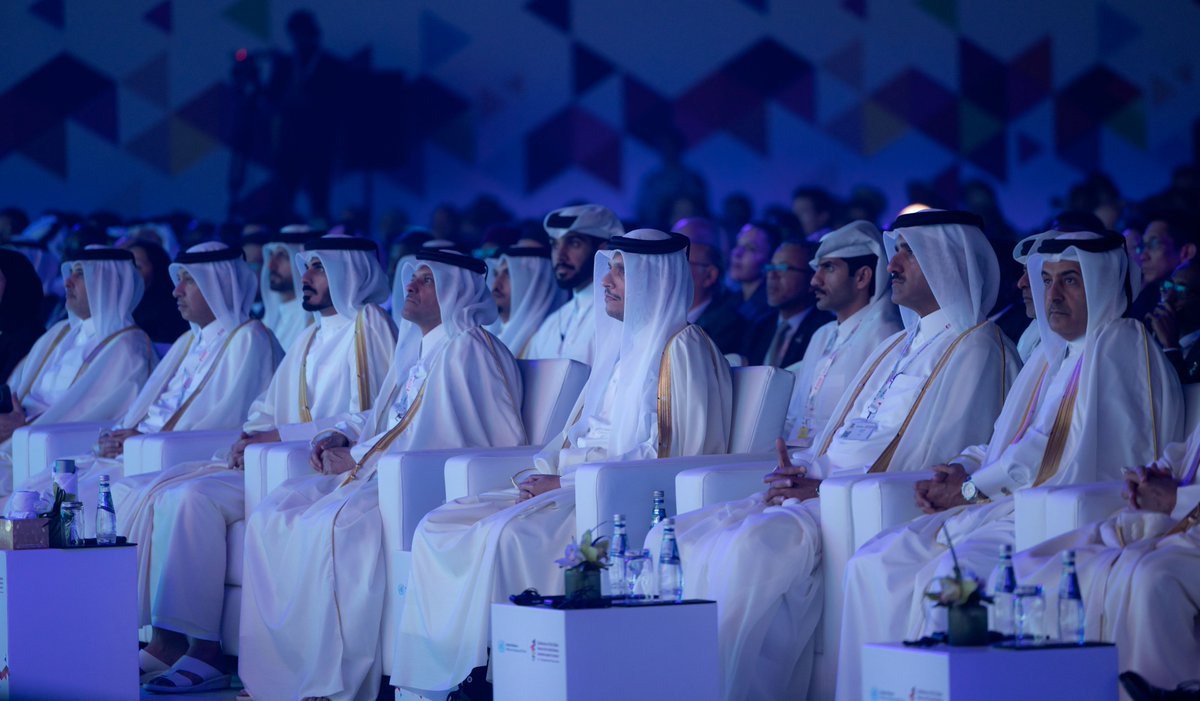

Doha, Qatar is hosting the 11th session of the Conference of the States Parties to the United Nations Convention against Corruption (COSP11) from December 15 to 19. The event, opened by Prime Minister and Minister of Foreign Affairs HE Sheikh Mohammed bin Abdulrahman bin Jassim Al-Thani, brings together global leaders to address escalating concerns about illicit financial flows and governance. Over 2,500 participants are expected to attend, representing governments, organizations, and civil society groups.
The conference, taking place in Doha for the second time, draws representatives from all 192 countries that have ratified the UN Convention against Corruption, a legally binding international treaty. Discussions will center on strengthening international cooperation and implementing effective measures to prevent and combat various forms of corruption. This year’s session is particularly focused on enhancing asset recovery efforts and promoting transparency in financial systems.
The Global Fight Against Corruption
The United Nations Convention against Corruption, adopted in 2003, is a comprehensive framework for addressing a wide range of corrupt practices. These include bribery, embezzlement, trading in influence, and money laundering. The COSP serves as a crucial platform for reviewing the implementation of the Convention and identifying emerging challenges in the global fight against corruption.
Key Themes and Objectives
This year’s COSP agenda includes several key themes, according to the United Nations Office on Drugs and Crime (UNODC). These encompass strengthening international collaboration in investigations and prosecutions, improving the prevention of corruption through robust legal frameworks, and enhancing the role of civil society in promoting accountability. A significant portion of the discussions will also be dedicated to the recovery of stolen assets, a complex process often hindered by legal obstacles and a lack of political will.
Qatar’s hosting of the conference underscores its commitment to international cooperation on issues of global importance. The Ministry of Foreign Affairs stated that the event aligns with the goals of Qatar National Vision 2030, which prioritizes good governance and sustainable development. This vision emphasizes the importance of transparency, accountability, and the rule of law in building a prosperous and equitable society.
The rise of digital technologies has introduced new avenues for corruption, presenting a significant challenge for international law enforcement. Discussions at COSP11 are expected to address the use of cryptocurrencies and other digital tools in facilitating illicit financial flows. Experts will explore innovative approaches to tracing and recovering assets hidden in the digital realm, as well as strengthening cybersecurity measures to prevent corruption-related attacks.
However, challenges remain in achieving universal implementation of the Convention. Some countries lack the necessary legal frameworks or institutional capacity to effectively combat corruption. Others face political obstacles that hinder their ability to investigate and prosecute high-level officials involved in corrupt practices. The COSP provides a forum for sharing best practices and offering technical assistance to countries in need.
Additionally, the involvement of the private sector is increasingly recognized as crucial in the fight against corruption. Companies can play a vital role in promoting ethical business practices and preventing bribery and other forms of corruption within their operations. COSP11 will feature sessions dedicated to fostering public-private partnerships and encouraging corporate social responsibility in the area of anti-corruption.
Meanwhile, civil society organizations are essential partners in monitoring government actions and advocating for greater transparency and accountability. These groups often play a key role in exposing corruption and raising public awareness about its detrimental effects. The conference provides a platform for civil society representatives to share their experiences and contribute to the development of effective anti-corruption strategies.
The impact of corruption extends far beyond financial losses, undermining democratic institutions and hindering economic development. According to the World Bank, corruption costs developing countries an estimated $2.6 trillion per year. This money could be used to fund essential services such as education, healthcare, and infrastructure. Addressing corruption is therefore critical for achieving the Sustainable Development Goals.
Following the conclusion of COSP11, participating states are expected to develop national action plans to implement the recommendations and commitments made during the conference. The UNODC will continue to provide technical assistance and support to countries in their efforts to combat corruption. The next session of the COSP is tentatively scheduled for 2025, and observers will be watching for concrete progress in asset recovery and the implementation of preventative measures.