






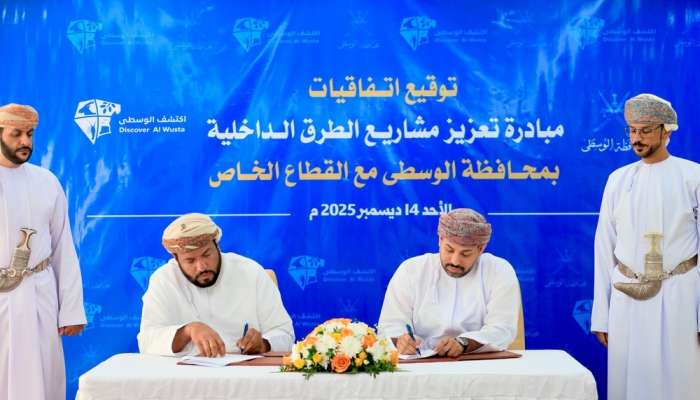

The Al Wusta Governorate in Oman is poised for significant infrastructure improvements thanks to a new initiative fostering collaboration between the public and private sectors. On Sunday, a series of agreements were signed, marking a crucial step in enhancing the region’s road infrastructure and overall development. These agreements, totaling OMR 1.8 million, will see the construction of 26 kilometers of new roads across the governorate’s wilayats, promising better connectivity and economic opportunities for residents.
Boosting Al Wusta’s Development Through Private Sector Partnerships
This initiative represents a landmark moment for Al Wusta, being the first of its kind to actively engage the private sector in such a comprehensive manner for infrastructure projects. Historically, large-scale development in the region has been primarily government-led. However, recognizing the benefits of shared expertise and investment, the Governorate is actively seeking to strengthen these partnerships. This approach aims to accelerate progress and ensure the long-term sustainability of these vital improvements.
The Significance of Improved Road Networks
Improved road infrastructure is a cornerstone of economic growth and social development. For Al Wusta, a region with significant potential in tourism, logistics, and agriculture, better roads will unlock access to key areas, facilitate the transportation of goods, and encourage investment. This will directly benefit local businesses and communities, creating new jobs and improving the quality of life for residents. The 26 kilometers of planned roads are strategically chosen to address current connectivity gaps and support future expansion.
Details of the Signed Agreements
The agreements were formally signed by Sheikh Ahmed bin Musallam Al Katheri, the Governor of Al Wusta, representing the Governorate’s administration. Representatives from the participating private companies also affixed their signatures, solidifying their commitment to the project. The signing ceremony was attended by a number of key governorate officials, demonstrating the importance placed on this collaborative effort.
The OMR 1.8 million investment will be distributed across several projects within the various wilayats of Al Wusta. While specific details regarding the allocation to each wilayat haven’t been fully disclosed, the focus remains on upgrading existing routes and constructing new ones to meet the growing needs of the region. This investment in infrastructure development is expected to have a ripple effect, stimulating economic activity and attracting further investment.
Focus on Sustainable Development Indicators
The initiative isn’t solely focused on building roads; it’s deeply rooted in Oman’s broader vision for sustainable development. By partnering with the private sector, the Governorate aims to leverage innovative technologies and efficient project management practices. This will ensure that the projects are not only completed on time and within budget but also minimize environmental impact and maximize long-term benefits. The project aligns with national goals for economic diversification and regional balance.
The Role of the Private Sector in Oman’s Growth
Oman has been actively encouraging private sector participation in national development projects, recognizing its crucial role in achieving economic diversification and sustainable growth. This initiative in Al Wusta serves as a model for other governorates, showcasing the potential of public-private partnerships to deliver impactful results. The government’s commitment to creating a favorable investment climate and streamlining regulatory processes is attracting increasing interest from both domestic and international companies. This increased involvement in infrastructure projects is vital for Oman’s future.
Furthermore, the involvement of the private sector brings valuable expertise in areas such as construction, engineering, and project finance. This allows the government to focus on its core responsibilities while leveraging the efficiency and innovation of the private sector. The success of this model will likely lead to further opportunities for collaboration in other key sectors, such as healthcare, education, and tourism.
Looking Ahead: Continued Investment in Al Wusta
The signing of these agreements is just the beginning of a larger plan to transform Al Wusta into a thriving economic hub. The Governorate is actively exploring additional opportunities for private sector investment in various infrastructure projects, including upgrades to utilities, transportation networks, and social amenities. Continued investment in road infrastructure will be a key priority, ensuring that the region remains connected and accessible as it grows.
The initiative also highlights the importance of ongoing dialogue and collaboration between the public and private sectors. Regular meetings and consultations will be held to address challenges, share best practices, and ensure that projects are aligned with the overall development goals of the Governorate. This collaborative approach is essential for building trust and fostering long-term partnerships.
In conclusion, the recent agreements signed in Al Wusta Governorate represent a significant step forward in the region’s development. By embracing public-private partnerships and prioritizing infrastructure development, Al Wusta is laying the foundation for a brighter and more prosperous future. We encourage stakeholders to learn more about investment opportunities in the region and contribute to its ongoing transformation. For further information on upcoming projects and partnership opportunities, please visit the Al Wusta Governorate’s official website or contact the investment promotion agency.