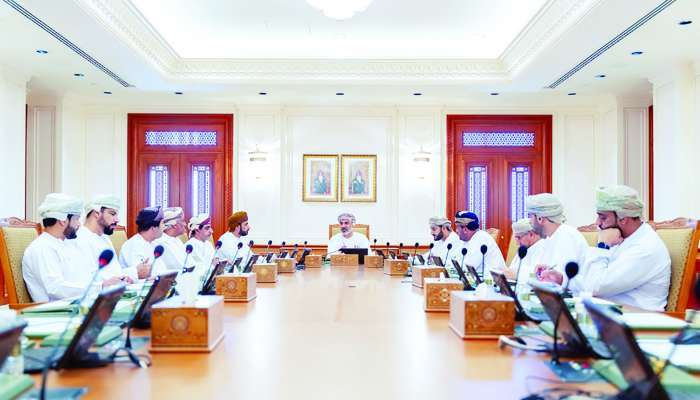

Oman’s small and medium enterprises (SMEs) are on the cusp of significant growth following a landmark decision by the Shura Council Office to expand their involvement in government projects. The move, approved during the Council’s sixth regular meeting, signals a strong commitment to bolstering the Omani economy through increased local content and diversification. This article details the key changes and their potential impact on the business landscape in the Sultanate.
Boosting SME Participation in Government Projects
The Shura Council Office, chaired by Khalid Hilal Al Maawali, has approved a series of measures designed to empower Omani SMEs and integrate them more fully into the nation’s economic development. A central component of this initiative is a substantial increase in the contract ceiling for SMEs bidding on government work. Previously limited to a lower amount, the ceiling has now been raised to OMR 25,000, in close coordination with the Ministry of Finance. This allows a wider range of small businesses to compete for and secure government contracts.
Mandatory Subcontracting for Larger Contractors
Beyond simply raising the ceiling, the Council Office has mandated that main contractors on government projects are now required to subcontract at least 10% of the total project value to local SMEs. This is a crucial step, as it guarantees a consistent stream of work for smaller enterprises and fosters a collaborative ecosystem between larger and smaller players in the construction and services sectors. This requirement is expected to significantly increase the revenue and capabilities of Omani-owned businesses.
The Chairman of the Authority for Projects and Local Content emphasized that these changes are not merely about financial support, but about creating a level playing field and fostering a competitive environment where Omani businesses can thrive. This focus on local content is a key pillar of Oman’s Vision 2040.
Expanding Cultural Exchange with a New Visa
Alongside the focus on economic development, the Shura Council Office also reviewed and approved measures to promote cultural exchange. A significant development is the introduction of a long-term cultural visa, valid for ten years. This visa, stemming from amendments to the Executive Regulations of the Law on the Residence of Foreigners, is intended to attract artists, intellectuals, and cultural practitioners to Oman.
This initiative is expected to enrich Oman’s cultural landscape, foster international collaboration, and contribute to the Sultanate’s growing reputation as a hub for arts and innovation. The Royal Oman Police’s decision to implement this visa demonstrates a commitment to diversifying Oman’s appeal beyond traditional economic sectors.
Infrastructure and Social Welfare Improvements
The Council Office also addressed critical areas of national infrastructure and social welfare. Officials reaffirmed ongoing efforts to enhance telecommunications services throughout the Sultanate, recognizing the vital role of connectivity in driving economic growth and facilitating digital transformation. Upgrading infrastructure and improving service quality are paramount to ensuring Oman remains competitive in the global market.
Furthermore, discussions covered the importance of Omanisation in cybersecurity roles, highlighting the need to develop a skilled local workforce capable of protecting the nation’s digital assets. Preventive measures against seasonal viruses in schools and communities were also reviewed, demonstrating a commitment to public health. Finally, the establishment of an integrated social protection system for families affected by layoffs or insolvency was discussed, underscoring the government’s dedication to social responsibility.
A Shift Towards Empowering Local Businesses
The sixth Shura Council Office meeting, attended by key officials including Ahmed Mohammed Al Nadabi, Secretary-General of the Council, represents a pivotal moment for Omani SMEs. The reforms surrounding government procurement, particularly the increased contract ceiling and mandatory subcontracting, signal a clear shift towards empowering local businesses and fostering a more inclusive economy.
These measures are expected to not only boost the financial performance of small and medium enterprises but also to stimulate innovation, create employment opportunities, and strengthen Oman’s overall economic resilience. The focus on economic diversification, coupled with initiatives to enhance infrastructure and social welfare, paints a promising picture for the future of Oman’s business environment.
The Shura Council’s proactive approach demonstrates a commitment to realizing the goals of Oman Vision 2040 and building a sustainable, prosperous future for all Omanis. To learn more about opportunities for SMEs in Oman, visit the Authority for Projects and Local Content website or contact your local Chamber of Commerce.