
Saudi Arabia has strongly condemned the recent terrorist attack in Sydney, Australia, expressing solidarity with the Australian people and reaffirming its firm stance against all forms of violence and extremism. The attack, which occurred during a Hanukkah celebration, resulted in multiple fatalities and injuries, prompting widespread grief and condemnation internationally. Authorities are investigating the incident as a potential act of antisemitism and terrorism.
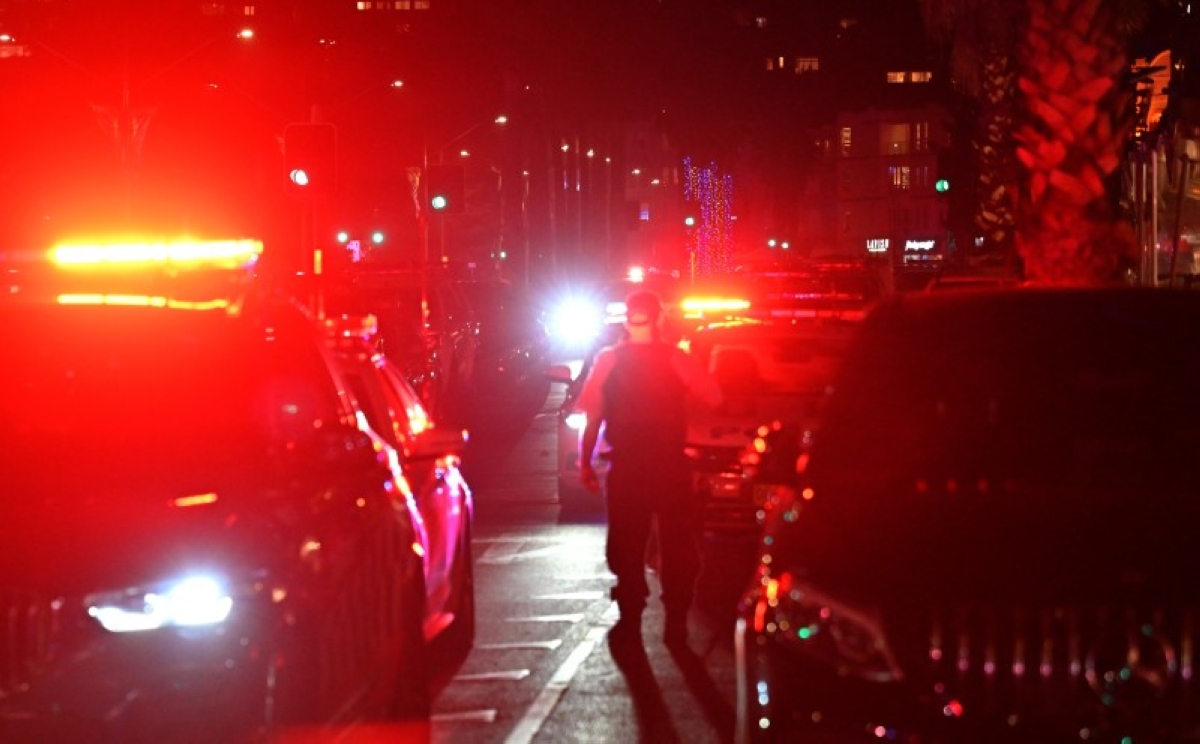
The incident unfolded on Sunday at a beach in Sydney, where two individuals opened fire on a gathering celebrating Hanukkah. Australian Prime Minister Anthony Albanese described the event as a horrific act, and police confirmed at least 11 people were killed and nearly 30 injured, including two police officers. One suspect was killed by police at the scene, while another remains in critical condition after being apprehended.
Saudi Arabia Condemns Sydney Terrorist Attack
The Saudi Ministry of Foreign Affairs issued a statement on Sunday expressing deep sorrow over the loss of life and offering condolences to the families of the victims, as well as the government and people of Australia. The ministry reiterated the Kingdom’s unwavering commitment to combating terrorism in all its forms, according to a press release. This condemnation underscores Saudi Arabia’s consistent position against violence and extremism globally.
Investigation and Suspect Details
Australian authorities are currently investigating the motives behind the attack and the backgrounds of the individuals involved. Police Commissioner Mal Lanyon stated that one of the suspects was previously known to security services, though there was no prior intelligence suggesting an imminent threat. Investigators are examining suspicious items, including potential improvised explosive devices, discovered in a vehicle linked to one of the suspects.
The attack has raised concerns about a potential rise in antisemitic incidents in Australia. While authorities have not yet definitively linked the shooting to previous attacks or broader trends, the timing and nature of the event have fueled anxieties within the Jewish community. The Australian government has pledged to increase security measures at Jewish institutions and events.
However, the incident also reignites debate surrounding gun control measures in Australia. Despite having some of the strictest gun laws in the world, implemented after the 1996 Port Arthur massacre, the country has once again been shaken by a mass shooting. The effectiveness of existing legislation is now under renewed scrutiny.
International Response and Implications
The Sydney attack has drawn condemnation from world leaders and international organizations. Expressions of sympathy and offers of support have poured in from countries around the globe. The United Nations Secretary-General António Guterres expressed his shock and sadness, emphasizing the importance of unity in the face of hatred and violence.
Additionally, the incident highlights the ongoing global threat of terrorism and the challenges of preventing attacks, even in countries with robust security measures. The investigation will likely focus on identifying any potential radicalization factors and assessing the effectiveness of intelligence gathering and preventative strategies. The rise of online extremism and its potential to inspire violence are also expected to be examined.
Meanwhile, the attack has prompted a review of security protocols at public gatherings and religious institutions across Australia. Authorities are working to reassure the public and enhance safety measures to prevent similar incidents from occurring in the future. Increased police presence and heightened vigilance are expected in the coming days and weeks.
In contrast to previous mass shootings, the speed with which police responded and neutralized one of the attackers has been noted by security analysts. This suggests potential improvements in law enforcement capabilities, but also underscores the unpredictable nature of such events. The investigation will determine if any systemic failures contributed to the attack.
The incident is the deadliest mass shooting in Australia in nearly three decades, marking a somber moment for the nation. The long-term psychological impact on the community, particularly those directly affected by the tragedy, is expected to be significant. Support services and counseling resources are being made available to those in need.
Looking ahead, investigators will continue to gather evidence and analyze the motives behind the terrorist attack. A full report on the incident is expected to be released in the coming months, outlining the findings of the investigation and any recommendations for improving security measures. The Australian government is also expected to review its counter-terrorism strategies and consider potential legislative changes. The extent to which this terrorism event influences future policy remains uncertain, but increased scrutiny of extremist ideologies and online radicalization is anticipated. Further developments regarding the condition of the injured suspect and the ongoing investigation into potential accomplices will be closely monitored. The impact of this attack on community relations and the broader political landscape will also be a key area to watch.