






The vibrant city of Mumbai is currently hosting a remarkable exhibition, “Networks of the Past: A Study Gallery of India and the Ancient World,” showcasing the interconnectedness of ancient civilizations. A significant highlight of this international display is the contribution from Kuwait’s Al-Sabah Archaeological Collection, featuring 11 rare artefacts that offer a glimpse into a shared historical narrative. The exhibition, opened on December 12th at the Chhatrapati Shivaji Maharaj Vastu Sangrahalaya (CSMVS), underscores the importance of cultural exchange in shaping human history.
Kuwait’s Al-Sabah Collection at the Mumbai Exhibition
Kuwait’s participation in “Networks of the Past” is a testament to its commitment to preserving and sharing its rich cultural heritage with the world. Representing Kuwait at the opening was Dr Mohammad Al-Jassar, Secretary General of the National Council for Culture, Arts and Letters (NCCAL), acting on behalf of the Minister of Information and Culture and Minister of State for Youth Affairs, Abdulrahman Al-Mutairi. Alongside him were Kuwait’s Consul General in Mumbai, Emad Abdulaziz Al-Kharaz, Salam Kaoukji, curator and director of the Al-Sabah Archaeological Collection, and a delegation from Dar Al-Athar Al-Islamiyyah.
The Al-Sabah Archaeological Collection’s contribution isn’t merely a display of beautiful objects; it’s a carefully curated selection that illuminates the extensive trade routes and cultural dialogues that existed millennia ago. Among the showcased pieces are a stunning Sasanian bronze cylindrical seal from the 5th century CE, and intricately crafted silver rhytons – one featuring a gilded caracal cat protome dating back to 100–60 BCE. These artefacts, alongside a gold and carnelian bracelet from Iran (600–300 BCE) and a carnelian intaglio depicting a Sasanian king, demonstrate the artistic prowess and sophisticated craftsmanship of ancient cultures.
A Focus on Interconnectedness Through Artefacts
The exhibition as a whole, featuring around 250 archaeological objects, meticulously traces India’s historical connections with Mesopotamia, Egypt, Greece, Rome, Persia, and China. It’s a tangible representation of how these civilizations weren’t isolated entities, but rather participants in a dynamic network of exchange – trading goods, artistic styles, philosophical ideas, and belief systems. This exchange, the exhibition argues, was fundamental to the evolution of these societies and, ultimately, to human progress.
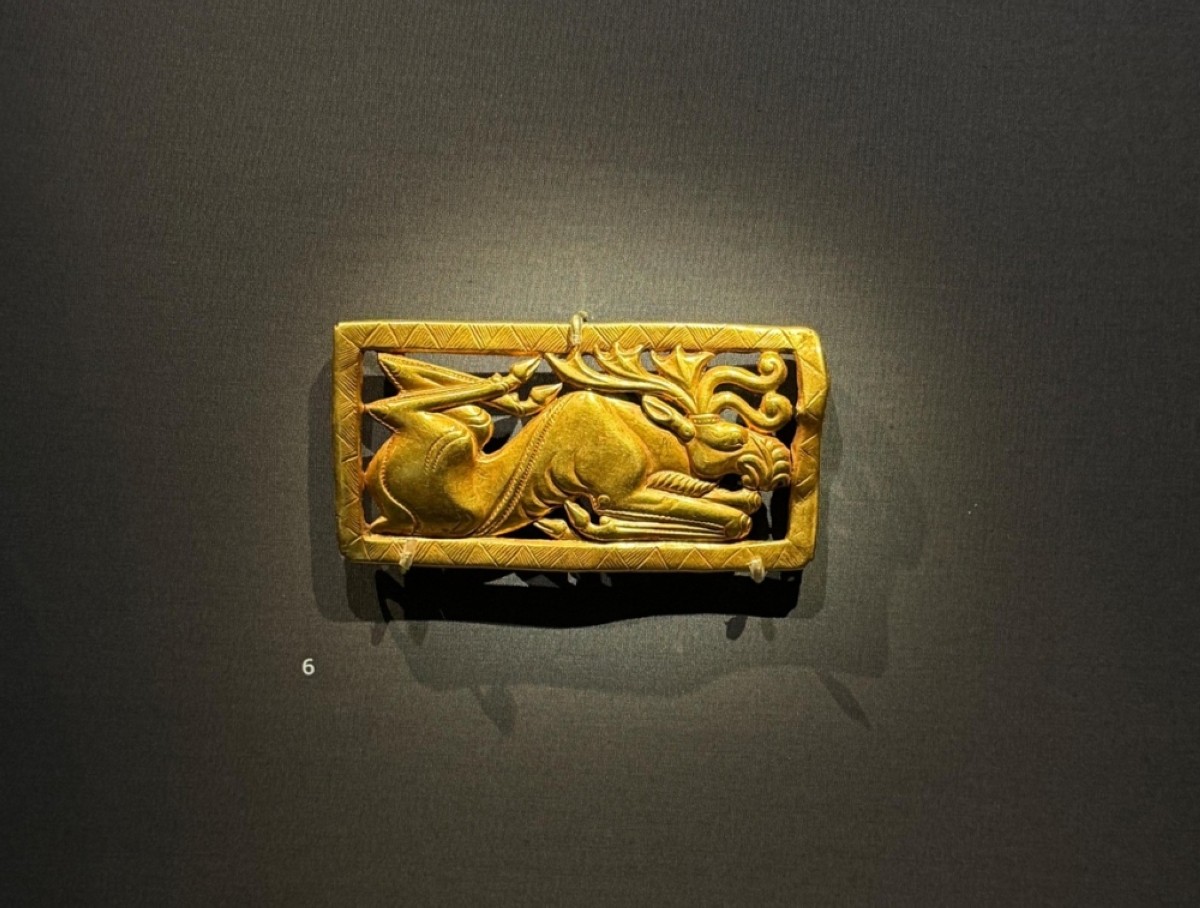
The inclusion of a gold belt-strap fitting from the Oxus Valley civilization (400–300 BCE), a silver and gold dish from the northern Indian subcontinent (400–200 BCE), and glass vessels from eastern Iran (4th-3rd centuries BC) further emphasizes this interconnectedness. These pieces aren’t simply relics of the past; they are evidence of a vibrant, globalized world that existed long before modern technology. The exhibition highlights the importance of ancient trade routes in fostering these connections.
A Collaborative Effort and a Lasting Legacy
The “Networks of the Past” exhibition is the result of a significant collaborative effort, involving a network of prestigious museums including the British Museum in London, Staatliche Museen zu Berlin, Museum Rietberg in Zurich, and the Benaki Museum in Athens. This international partnership, spanning over four years, underscores the universal appeal and importance of understanding our shared human history.
Sheikha Hussa Sabah Al-Salem Al-Sabah, Director General of Dar Al-Athar Al-Islamiyyah and co-owner of the Al-Sabah Collection, emphasized that Kuwait’s participation is a continuation of her late husband Sheikh Nasser Sabah Al-Ahmad Al-Sabah’s vision. This vision centered on sharing art, history, and human heritage with a global audience. The Al-Sabah Collection, renowned for its breadth and depth, plays a crucial role in Kuwaiti cultural diplomacy.
Dr Al-Jassar echoed this sentiment, expressing NCCAL’s pride in supporting Dar Al-Athar Al-Islamiyyah and recognizing its role as a cultural ambassador for Kuwait. He also acknowledged the Minister of Information and Culture’s commitment to preserving this invaluable heritage, which reflects Kuwait’s cultural identity and human legacy. He further praised Dar Al-Athar Al-Islamiyyah for making these rare treasures accessible to leading museums worldwide, allowing a wider audience to appreciate their artistic and historical significance. The exhibition’s long run, extending until December 2028, ensures that this opportunity for learning and appreciation will be available for years to come.
Exploring the Past, Inspiring the Future
The “Networks of the Past” exhibition, and Kuwait’s contribution through the Al-Sabah Archaeological Collection, offers a powerful reminder that civilizations are not built in isolation. The artefacts on display demonstrate that progress is often born from exchange, collaboration, and a willingness to learn from one another. This exhibition isn’t just about understanding the past; it’s about gaining insights that can inform and inspire the future.
For those interested in learning more about the exhibition and the Al-Sabah Collection, visiting the CSMVS in Mumbai is highly recommended. Furthermore, exploring the resources available through Dar Al-Athar Al-Islamiyyah can provide a deeper understanding of Kuwait’s commitment to preserving and promoting historical artefacts and cultural heritage. The exhibition serves as a compelling invitation to delve into the rich tapestry of human history and appreciate the interconnectedness of our world.