






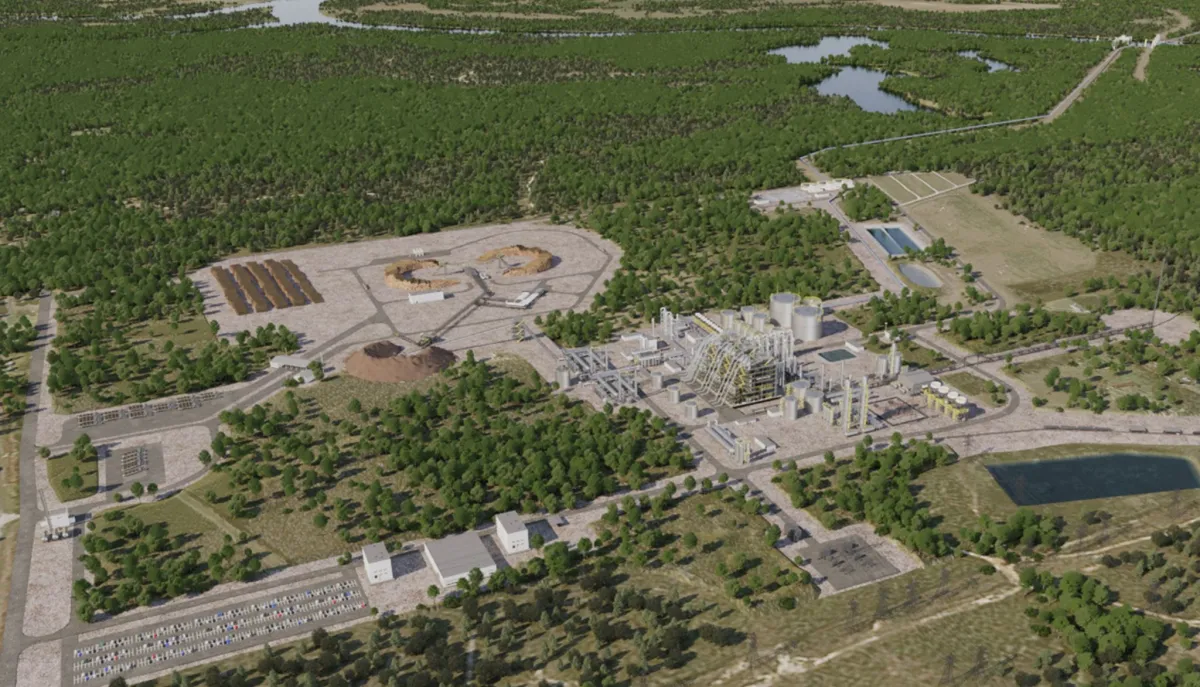

Microsoft is significantly increasing its investment in carbon removal, announcing a $30 million purchase of 3.6 million carbon removal credits from a new biofuels plant in Louisiana. The deal, revealed Thursday, aims to offset the company’s growing carbon footprint as it expands its global data center infrastructure. This purchase is part of a broader strategy by Microsoft to achieve its ambitious climate goals.
The carbon removal credits will be generated by a facility owned by C2X, a company focused on sustainable fuel production. Located in Louisiana, the plant is expected to begin operations in 2029 and will convert forestry waste into methanol, a versatile fuel and chemical feedstock. This investment highlights the growing market for technologies designed to actively remove carbon dioxide from the atmosphere.
The Growing Demand for Carbon Removal
Microsoft’s purchase underscores the increasing pressure on large corporations to address their environmental impact beyond simply reducing emissions. While renewable energy sources like wind and solar are crucial, many companies recognize the need to actively remove existing carbon dioxide to mitigate climate change. This is particularly true for companies with substantial and ongoing emissions, such as those operating large data centers.
The C2X plant will capture approximately 1 million metric tons of carbon dioxide annually and store it permanently, likely through geological sequestration. This process involves injecting the captured CO2 deep underground into suitable rock formations. The plant’s total methanol production is projected to exceed 500,000 metric tons per year, offering a sustainable alternative to fossil fuel-based methanol.
Microsoft’s Carbon Removal Portfolio
This latest agreement is not an isolated event. Microsoft has been actively building a portfolio of carbon capture and removal projects over the past year. Recent investments include a 4.9 million metric ton deal with Vaulted Deep, a 3.7 million metric ton agreement with CO280, and a 7 million metric ton purchase from Chestnut Carbon. These diverse projects utilize various technologies, including direct air capture and bioenergy with carbon capture and storage (BECCS).
The company’s commitment to negative emissions stems from a 2020 pledge to remove from the environment all the carbon the company has emitted since its founding in 1975 by 2050. More immediately, Microsoft aims to be carbon negative by 2030 – removing more carbon than it emits each year. However, the rapid expansion of its data center network, essential for supporting cloud services like Azure, is making this goal increasingly challenging.
Data centers are energy-intensive operations, and while Microsoft is investing heavily in renewable energy to power them, the availability of clean energy isn’t always consistent with demand. According to the International Energy Agency, global electricity demand from data centers is expected to triple by 2030. Therefore, carbon removal credits are seen as a necessary component of Microsoft’s overall climate strategy to address residual emissions.
The C2X project utilizes forestry waste, a resource that would otherwise decompose and release carbon dioxide into the atmosphere. By converting this waste into methanol and sequestering the captured CO2, the plant effectively removes carbon from the carbon cycle. This approach aligns with the principles of a circular economy, maximizing the value of resources and minimizing waste.
The price of $30 million for 3.6 million credits equates to roughly $8.33 per metric ton of carbon dioxide removed. This price point is within the range of current market rates for high-quality carbon removal credits, though prices vary significantly depending on the technology and project location. The market for carbon removal is still relatively nascent, and prices are expected to fluctuate as the industry matures.
While Microsoft is a major purchaser of carbon removal credits, other companies are also entering the market. Demand from the private sector is driving innovation and investment in carbon removal technologies. However, concerns remain about the scalability and cost-effectiveness of these solutions. Additionally, ensuring the permanence and additionality of carbon removal projects is crucial to their credibility.
The development of robust standards and verification mechanisms for carbon removal is ongoing. Organizations like Verra and the American Carbon Registry are working to establish frameworks for assessing the quality and impact of carbon removal projects. Transparency and accountability are essential to building trust in the carbon removal market.
The C2X plant’s success will depend on several factors, including the availability of sustainable forestry waste, the efficiency of the carbon capture and storage process, and the long-term stability of the geological storage site. The project will also need to navigate regulatory hurdles and secure necessary permits.
Looking ahead, Microsoft will continue to seek out and invest in promising carbon removal technologies. The company is expected to announce further agreements in the coming months as it strives to meet its 2030 carbon negative goal. The broader industry will be watching to see how these projects scale and contribute to global efforts to combat climate change, and whether the cost of carbon offsets will remain viable for large-scale implementation.
The ultimate impact of these investments will depend on the continued development of carbon removal technologies and the establishment of a well-regulated and transparent carbon market. The effectiveness of geological storage in ensuring long-term carbon sequestration also remains a key area of research and monitoring.