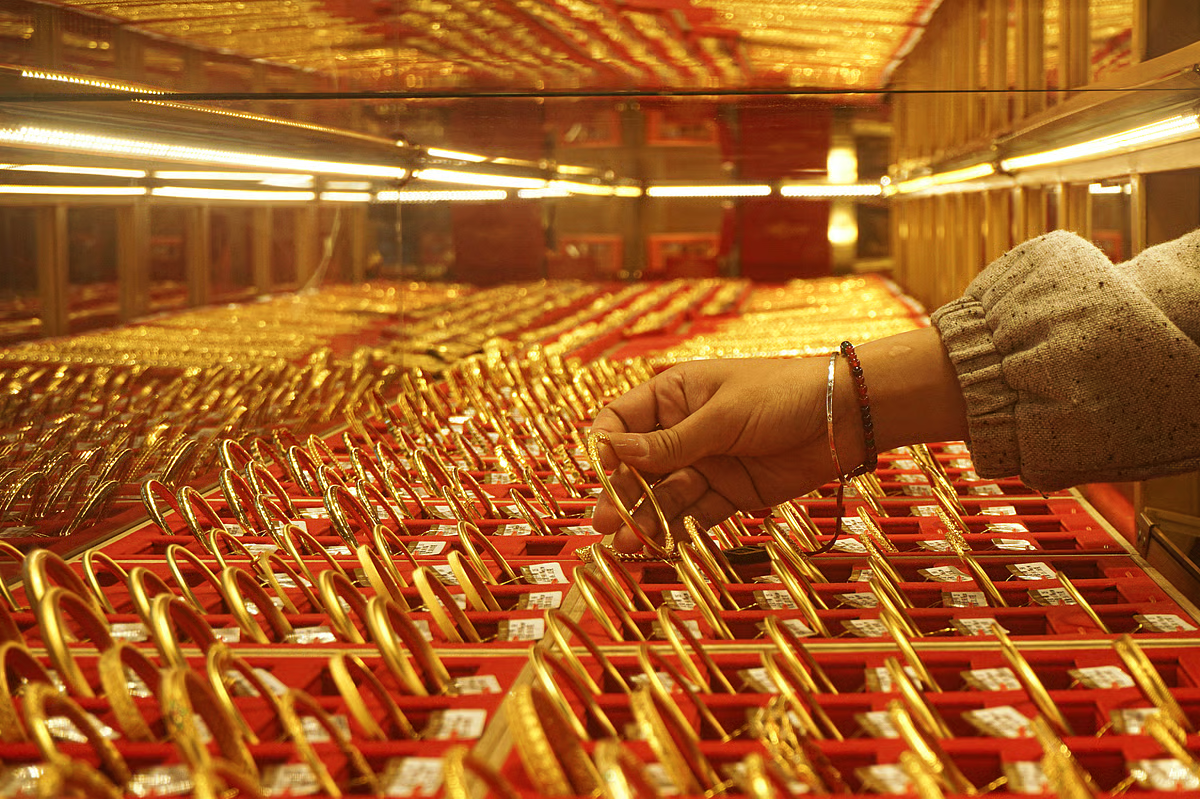

Investor caution following recent Federal Reserve commentary is bolstering demand for safe-haven assets, notably gold, as expectations for aggressive interest rate cuts diminish. The price of the precious metal has been steadily climbing, supported by a weakening dollar and increased geopolitical tensions. This shift comes as markets reassess the trajectory of monetary policy and seek alternatives to yield-bearing investments.
The rally in gold began gaining momentum in recent weeks, driven by a combination of factors including escalating conflicts and a more tempered outlook on the pace of interest rate reductions by the U.S. central bank. Analysts report increased investment in gold-backed exchange-traded funds (ETFs) and continued central bank purchases, signaling strong conviction in the metal’s long-term value. The trend extends to other precious metals, with silver and copper also experiencing gains.
Gold Gains as Rate Cut Bets Cool
The Federal Reserve’s recent statements have indicated a more cautious approach to lowering interest rates than previously anticipated. This shift has led to a rise in U.S. Treasury yields, initially dampening enthusiasm for non-yielding assets. However, the impact has been offset by increased risk aversion stemming from global uncertainties. According to the World Gold Council, gold-backed fund holdings have increased in all months this year except May, demonstrating sustained investor interest.
Macroeconomic Tailwinds
A weaker U.S. dollar is providing additional support for gold, as the metal is typically priced in dollars. A declining dollar makes gold more affordable for investors holding other currencies. Additionally, lower yields reduce the opportunity cost of holding gold, as the potential return from bonds diminishes. Ipek Ozkardeskaya, Senior Analyst at Swissquote, noted that gold is “back in a solid uptrend” due to these factors.
Silver and copper are also benefiting from the same macroeconomic conditions, but with added catalysts. Silver is experiencing tightness in physical supply, exacerbated by trading disruptions, while copper is supported by strong industrial demand. These factors are contributing to outperformance in the precious metals sector.
Safe-Haven Demand and Geopolitical Risks
Geopolitical instability is playing a significant role in driving investors towards safe-haven assets like gold. Escalating tensions in the Middle East and ongoing conflicts in Eastern Europe have increased uncertainty and prompted a flight to safety. This demand is being further amplified by central bank diversification efforts, as many institutions seek to reduce their reliance on the U.S. dollar and increase their gold reserves.
Central bank purchases represent a crucial component of the current gold rally. These purchases provide a consistent source of demand, independent of short-term market fluctuations. ETF inflows are also contributing to the upward pressure on prices, as investors allocate capital to gold-backed funds. Meanwhile, a retreat from bond markets, due to yield compression, is redirecting funds towards alternative assets.
In contrast to the gains in precious metals, crude oil prices have remained relatively subdued despite the geopolitical tensions. Ample supply from the United States, OPEC, and non-OPEC nations is weighing on crude, even as the dollar weakens. This divergence highlights the differing dynamics at play in various commodity markets.
Silver’s Unique Position
Silver is experiencing a particularly strong rally, driven not only by macroeconomic factors but also by unique supply-side dynamics. Physical shortages and disruptions in trading are contributing to increased demand and higher prices. This situation is creating a premium for physical silver, further supporting the price increase. The industrial applications of silver add another layer of demand, particularly as the global economy recovers.
However, the silver market is also known for its volatility, and price swings can be significant. Investors should be aware of the inherent risks associated with trading silver, even amidst the current bullish trend.
Looking ahead, the price of gold will likely remain sensitive to developments in monetary policy and geopolitical events. The next Federal Reserve meeting, scheduled for [Insert Date], will be closely watched for further clues about the future path of interest rates. Continued central bank purchases and sustained ETF inflows are expected to provide underlying support. However, a significant escalation in geopolitical tensions or a sharp rise in U.S. Treasury yields could trigger a correction. Monitoring these factors will be crucial for assessing the future trajectory of the gold market.