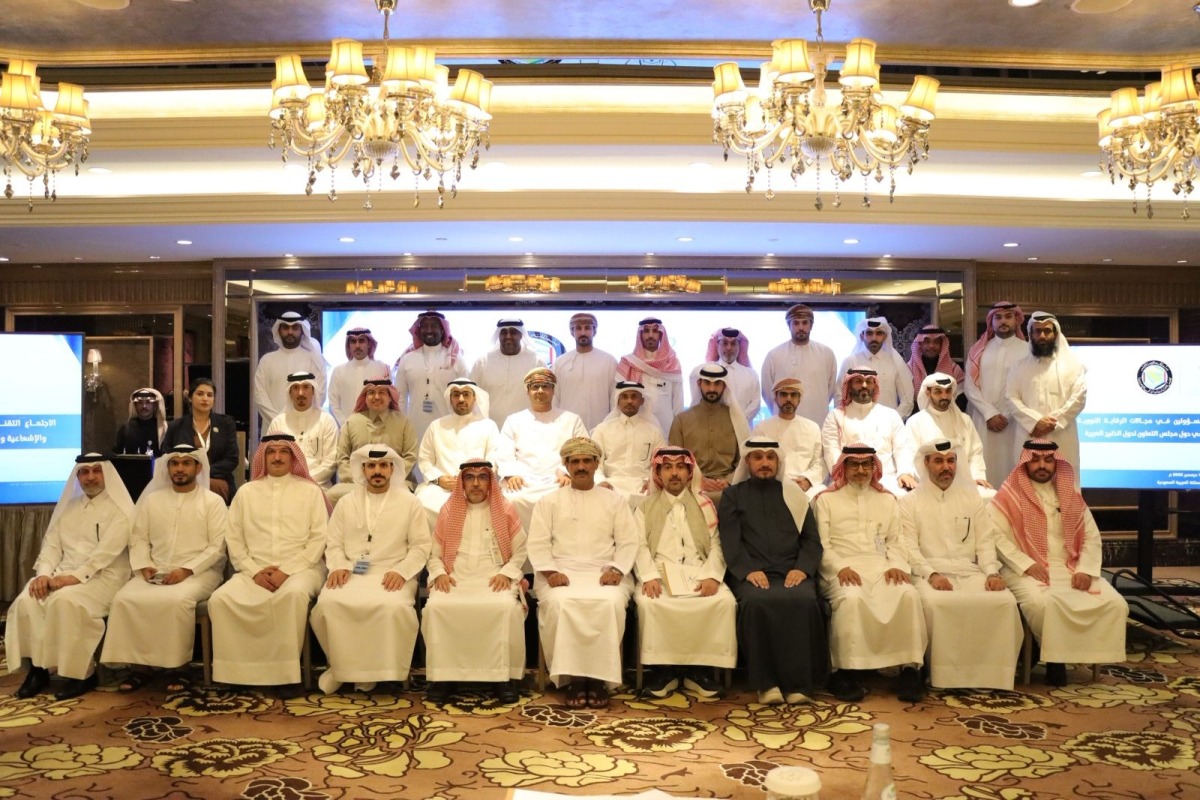

Doha, Qatar – The State of Qatar actively participated in a recent technical meeting focused on bolstering nuclear security and radiation safety regulations across the Gulf Cooperation Council (GCC) countries. Held in Riyadh, Saudi Arabia, the meeting brought together leaders and officials from regional agencies to discuss enhanced protocols and preparedness. Qatar’s delegation, led by the Undersecretary of the Ministry of Environment and Climate Change, HE Abdulaziz bin Ahmed bin Abdullah Al Mahmoud, emphasized the nation’s dedication to safeguarding its population and environment.
The meeting, which concluded earlier this week, centered on improving the oversight of facilities utilizing radiation technologies in vital sectors like medicine, industry, and scientific research. Discussions also covered strengthening emergency response capabilities to align with both international standards and guidance from the International Atomic Energy Agency (IAEA). This collaborative effort underscores the growing importance of regional cooperation in managing potential risks associated with nuclear and radioactive materials.
Strengthening Nuclear Security in the GCC
The GCC region has been steadily increasing its focus on nuclear security in recent years, driven by both regional geopolitical factors and a global push for responsible nuclear practices. This meeting represents a continuation of that trend, aiming to harmonize regulations and improve collective response mechanisms. According to the Ministry of Environment and Climate Change, Qatar views this as a crucial step in ensuring the safe and secure use of nuclear and radiation technologies within its borders.
Key Discussion Points
Participants explored several key areas for improvement. These included refining national regulatory frameworks, enhancing the detection of illicit nuclear materials, and improving coordination between national agencies responsible for nuclear safety and security. The IAEA provided technical expertise and recommendations throughout the discussions, helping to ensure alignment with globally recognized best practices.
Additionally, the meeting addressed the importance of robust cybersecurity measures to protect nuclear facilities from potential attacks. The increasing reliance on digital systems in the operation of these facilities necessitates a proactive approach to cybersecurity, safeguarding critical infrastructure from disruption. The report indicates that several GCC nations are actively investing in these protective measures.
A significant component of the program involved field visits to specialized laboratories in Saudi Arabia dedicated to radiation analysis and nuclear emergency response. These visits allowed delegates to observe firsthand the latest technologies and systems employed in managing potential incidents, fostering valuable knowledge exchange and collaboration. The Ministry stated that Qatar intends to implement lessons learned from these observations.
Qatar’s participation highlights its commitment to developing a comprehensive national nuclear security framework. This framework is designed to not only prevent the misuse of nuclear materials but also to ensure a swift and effective response in the event of a radiological or nuclear emergency. The country’s efforts are closely aligned with national policies and the international standards set forth by the IAEA.
The focus on radiation safety extends beyond potential accidents to encompass the routine monitoring and regulation of radiation sources used in medical treatments, industrial processes, and research applications. Effective oversight in these areas is essential to minimize public exposure and protect worker health. The ministry emphasized the importance of continuous training and education for personnel working with radiation.
However, challenges remain in achieving complete harmonization of regulations across the GCC. Differing national priorities and legal frameworks can sometimes hinder the implementation of unified standards. Despite these obstacles, the commitment to regional cooperation remains strong, with ongoing dialogue and technical assistance aimed at bridging these gaps.
Looking ahead, the GCC nations are expected to develop a detailed action plan based on the outcomes of the Riyadh meeting. This plan will likely outline specific steps for strengthening national regulations, enhancing emergency preparedness, and fostering greater collaboration on nuclear security issues. A timeline for the implementation of these measures is anticipated to be established within the next six months, though the pace of progress will depend on individual national circumstances and resource allocation.
The next major milestone will be a follow-up meeting scheduled for late 2024, where progress on the action plan will be reviewed and further areas for cooperation identified. Continued monitoring of regional developments and adherence to IAEA guidelines will be crucial in maintaining a high level of nuclear safety and security throughout the GCC.
International Atomic Energy Agency
Ministry of Environment and Climate Change
Gulf Cooperation Council