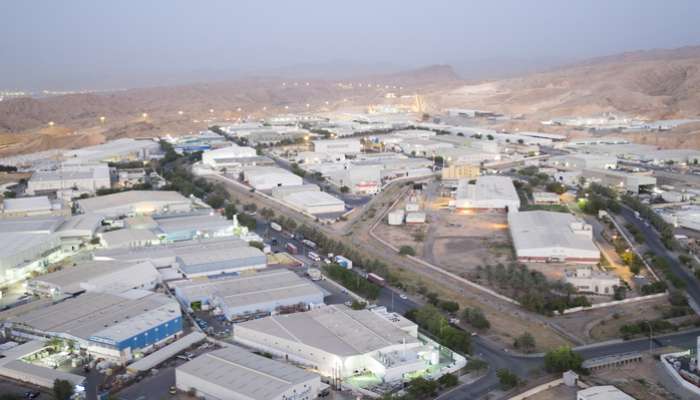

The Sultanate of Oman is rapidly transforming its economic landscape, earning significant international recognition for its proactive approach to localizing high-quality industries and fostering advanced technological capabilities. A recent report by the United Nations Industrial Development Organization (UNIDO) for 2026 highlights Oman’s impressive progress, positioning it as a rising star in the global industrial sector. This shift is not merely about diversification; it’s about building a sustainable, technologically advanced future for the nation.
Oman Recognized as an Emerging Industrial Powerhouse
The UNIDO report unequivocally classifies Oman among the world’s emerging industrial nations. This recognition stems from the Sultanate’s remarkable success in establishing robust industrial value chains, particularly within the realm of advanced technologies. Despite being a relatively recent entrant into this field, Oman has swiftly created a promising industrial base, notably in industries related to photovoltaic (PV) cells. This achievement is directly linked to the country’s ability to attract quality investments, implement supportive government procurement policies, and cultivate an attractive business environment for modern technologies.
Key Drivers of Industrial Growth
Several factors have converged to fuel Oman’s industrial ascent. The availability of crucial raw materials, such as high-quality silica sand, is a significant advantage. Coupled with abundant sunshine and consistent winds, Oman is ideally positioned for renewable energy production. Furthermore, its strategic geographical location along major international shipping routes enhances its appeal as a manufacturing and export hub. These natural advantages are being strategically leveraged to attract foreign direct investment and build a competitive edge.
Strategic Investments in Renewable Energy
Oman’s commitment to renewable energy is exemplified by several large-scale industrial projects currently underway. The United Solar Polysilicon project in the Sohar Free Zone stands out as a particularly important initiative. This project, aiming to produce 100,000 tonnes of polysilicon annually, is poised to meet the growing regional demand for solar energy solutions and solidify Oman’s position within global supply chains. The scale of this investment demonstrates the seriousness of Oman’s ambition in the renewable energy market.
Beyond polysilicon, significant investments are flowing into solar panel manufacturing. Sheida Industries has commenced construction on a 11,250 square meter solar panel factory. Moreover, a collaboration with JA Solar, a Chinese company, will result in a factory with a substantial capacity of 6 gigawatts for cells and 3 gigawatts for panels, representing a US$564 million investment primarily targeting the Gulf and African markets. This expansion isn’t limited to solar; the “Turbine Resources Company” project in Duqm, with investments of US$181.8 million, focuses on manufacturing wind turbines, further diversifying Oman’s renewable energy portfolio.
Green Hydrogen and Technological Advancement
Oman is also actively pursuing opportunities in the burgeoning green hydrogen sector. Plans are in place to establish an electrolyzer assembly plant in partnership with Sungrow Power, a Chinese firm. This initiative will further enhance Oman’s standing as a high-tech manufacturing center within the Arab world. The focus on green hydrogen aligns with global sustainability goals and positions Oman as a leader in the energy transition. This diversification into green technology is crucial for long-term economic resilience.
Government Policies and Investment Incentives
The remarkable progress outlined in the UNIDO report is a direct result of deliberate and effective government policies. Eng. Khalid bin Salim Al Qasabi, Director General of Industry at the Ministry of Commerce, Industry and Investment Promotion, emphasized the adoption of stimulating industrial policies and systematic initiatives designed to attract quality industries with advanced technologies. The Ministry has prioritized streamlining procedures for investors, enhancing the readiness of free and economic zones, and empowering the industrial sector through a comprehensive package of incentives.
These incentives include flexible regulatory frameworks, attractive tax benefits, and simplified licensing processes. Furthermore, strategic investments are being directed towards economic zones equipped with integrated infrastructure capable of supporting advanced industrial projects. This proactive approach is designed to maximize local added value and connect global investors with promising industrial opportunities.
Building Integrated Industrial Complexes and Local Supply Chains
Engineer Jassim bin Saif al Jadidi, Technical Director of the Office of the Undersecretary of the Ministry, highlighted the development of integrated industrial complexes, particularly within the Sohar Free Zone. The co-location of polysilicon, solar cell, and panel factories fosters synergy and efficiency. Crucially, the Ministry is also focused on developing local suppliers, enabling them to become integral parts of the supply chains and contribute to the growth of national products capable of competing internationally.
The increasing flow of global investment into Oman’s industrial sector underscores the country’s growing appeal. International companies are recognizing Oman as an ideal location for establishing their industries, benefiting from direct government support, investor incentives, and readily available industrial sites. This momentum is reshaping the landscape of advanced manufacturing and solidifying Oman’s position as a promising regional center.
Looking Ahead: Oman Vision 2040
These successive industrial achievements are fundamentally transforming Oman’s economy, aligning perfectly with the objectives of the Industrial Strategy 2040 and Oman Vision 2040. The Sultanate is not simply aiming to diversify its economy; it is striving to become a globally competitive hub for advanced technologies and sustainable industries. The UNIDO report serves as a powerful validation of Oman’s strategic direction and its commitment to building a prosperous and innovative future. Continued investment in infrastructure, human capital, and supportive policies will be essential to sustaining this impressive momentum and realizing the full potential of Oman’s industrial development.