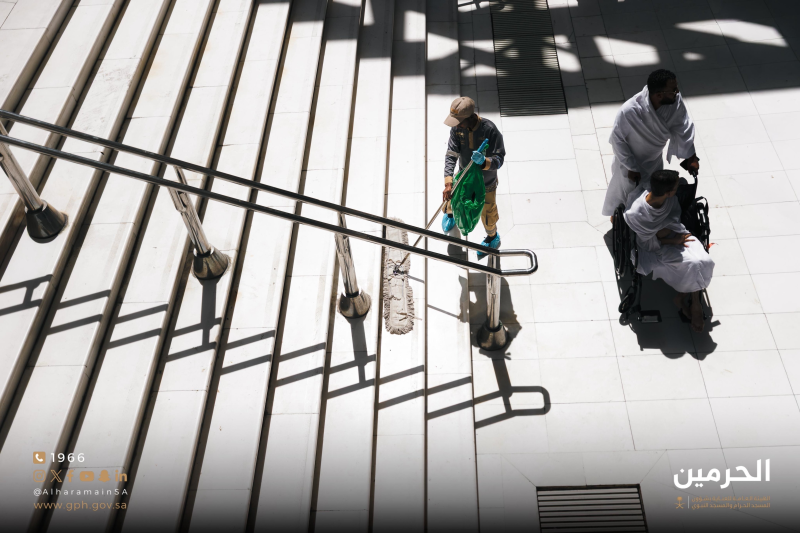

Millions of pilgrims performing Hajj and Umrah are benefiting from a comprehensive network of integrated services designed to ensure a smooth and safe experience within the Grand Mosque in Makkah. These services, ranging from digital guidance systems to dedicated support for people with disabilities, are operating at full capacity as visitor numbers surge. The Ministry of Hajj and Umrah, alongside the General Authority for the Care of the Affairs of the Grand Mosque and the Prophet’s Mosque, recently highlighted these efforts in a new video showcasing daily operations.
The initiatives aim to manage the flow of worshippers through the expansive holy site, which can accommodate over 2.5 million people at a time. According to the Ministry, the focus is on providing convenience and accessibility for all visitors, regardless of physical ability or language. These improvements come as Saudi Arabia continues to invest heavily in infrastructure to support the increasing number of pilgrims traveling to the Kingdom.
Enhancing the Pilgrimage Experience at the Grand Mosque
The scale of the Grand Mosque, spanning over 1.8 million square meters, presents significant logistical challenges. Managing such large crowds requires a multi-faceted approach, and the recent enhancements represent a substantial investment in pilgrim welfare. The Ministry of Hajj and Umrah has prioritized creating a more organized and user-friendly environment for those undertaking the sacred journey.
Navigating the Complex
Upon arrival, pilgrims are guided by clearly marked pathways and digital screens displaying real-time crowd density on each floor. This allows worshippers to make informed decisions about their routes, avoiding congested areas. Additionally, the authority has implemented dedicated facilities for individuals with disabilities, including adapted gates, ramps, wheelchairs, and elevators. These features are designed to ensure everyone can participate fully in the rituals.
Transportation services within the mosque are also readily available. Pilgrims can book wheelchairs and electric carts for tawaf (circumambulation of the Kaaba) and sa’i (walking between Safa and Marwa hills) through the authority’s online platform. This service is particularly valuable for those with mobility limitations, allowing them to complete these essential rituals with greater ease.
Convenience and Support Services
Beyond mobility assistance, a range of convenience services are available to pilgrims. Immediately following the completion of sa’i, free shaving services are provided by mobile barber units located at the exits of the mas’a. This allows pilgrims to efficiently complete their rituals without needing to leave the central area.
Furthermore, the authority maintains numerous restrooms throughout the mosque, along with dedicated maintenance teams to ensure cleanliness and hygiene. 24-hour luggage storage centers are also available, enabling visitors to worship without the burden of carrying their belongings. Nearby restaurants, cafés, and retail outlets offer spaces for rest and refreshment between rituals, contributing to a more comfortable experience.
Multilingual Guidance and Assistance
Recognizing the diverse international community of pilgrims, the Ministry of Hajj and Umrah provides support and guidance in 16 different languages. Educational guides for the Grand Mosque are available in multiple languages, helping pilgrims plan their visit and navigate the site with confidence. A 24-hour call center (1966) is also available to answer questions and provide assistance. This commitment to accessibility extends to information dissemination, ensuring that all pilgrims can understand and follow the necessary procedures.
The availability of these resources is part of Saudi Arabia’s broader Vision 2030 plan, which includes significant investment in tourism and religious infrastructure. The goal is to enhance the overall experience for visitors and accommodate the anticipated increase in Umrah and Hajj pilgrims in the coming years. The focus on pilgrim experience is a key component of this strategy.
However, managing such large crowds presents ongoing challenges. Maintaining optimal flow and ensuring the safety of all worshippers requires constant monitoring and adaptation. The authorities are continually evaluating the effectiveness of these services and exploring new technologies to further improve the pilgrimage journey. Related efforts include improvements to public transportation networks connecting Makkah to other holy sites, such as Medina.
Looking ahead, the Ministry of Hajj and Umrah is expected to release further data on pilgrim satisfaction and service utilization in the coming months. The ongoing evaluation of these initiatives will inform future investments and improvements. The success of these programs will be measured by their ability to enhance the spiritual experience for pilgrims while maintaining a safe and orderly environment. The long-term impact of these changes on Hajj logistics remains to be seen, but the initial response has been positive.
The authorities will likely continue to refine these services based on feedback and evolving needs, with a particular focus on leveraging technology to improve crowd management and communication. Pilgrims should monitor the Ministry of Hajj and Umrah’s website and official channels for the latest updates and guidance before and during their journey.