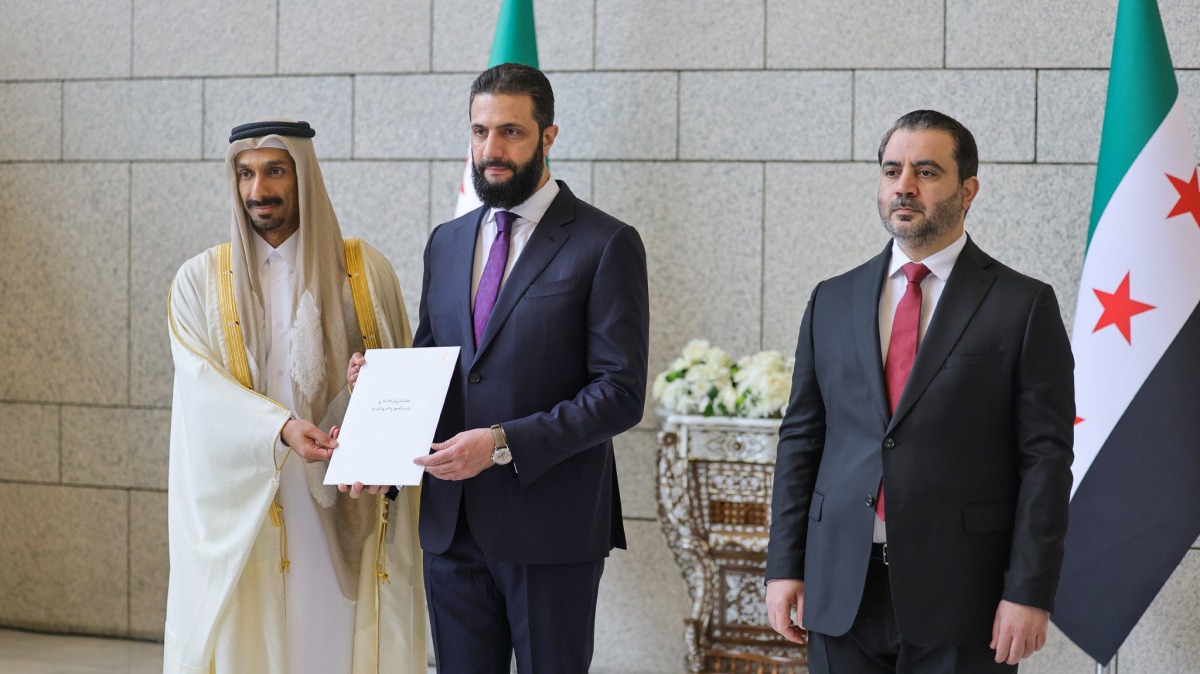

Damascus witnessed a significant diplomatic development this week with the formal acceptance of Khalifa Abdullah Saad Al Mahmoud Al Sharif as the new Qatar ambassador to Syria. The presentation of credentials to Syrian President Bashar al-Assad signals a strengthening of ties between the two nations following a period of strained relations. This move is being closely watched by regional observers as a potential indicator of broader shifts in Middle Eastern diplomacy.
The ceremony took place in Damascus on Wednesday, December 12, 2023, according to reports from the official Syrian news agency. Ambassador Al Sharif conveyed a personal greeting from Amir Sheikh Tamim bin Hamad Al-Thani to President al-Assad, expressing wishes for good health and prosperity for Syria. The Syrian President reciprocated with greetings for the Amir and the State of Qatar.
Qatar’s Diplomatic Re-Engagement with Syria
This appointment marks a notable step in Qatar’s re-engagement with the Syrian government. Qatar had previously supported opposition groups during the Syrian Civil War, which began in 2011, and closed its embassy in Damascus in 2012. However, in recent months, there have been increasing signs of a thaw in relations, mirroring a broader trend among Arab states.
Several factors appear to be driving this shift. According to analysts at the Middle East Institute, the devastating earthquake that struck Syria and Turkey in February 2023 prompted a reassessment of humanitarian aid delivery, with many nations recognizing the need to work directly with the Assad government to reach affected populations. Additionally, the ongoing efforts to de-escalate regional tensions, particularly involving Saudi Arabia and Iran, have created a more conducive environment for diplomatic normalization.
Regional Context and Implications
The re-establishment of full diplomatic relations between Qatar and Syria aligns with a wider trend of Arab normalization. Saudi Arabia reopened its embassy in Damascus earlier this year, and other countries, including the United Arab Emirates and Bahrain, have also taken steps to restore ties. This coordinated approach suggests a collective desire to bring Syria back into the regional fold.
However, this normalization has been met with criticism from some quarters, particularly from those who accuse the Assad regime of human rights abuses and war crimes. Concerns remain regarding the lack of progress on political reforms and the fate of refugees. The United States, for example, has maintained its opposition to normalizing relations with Syria without significant political concessions from the government, as reported by the State Department.
Economic Opportunities and Challenges
The resumption of diplomatic ties is expected to unlock potential economic opportunities for both countries. Qatar has significant investments in infrastructure and energy, while Syria possesses a strategic location and a potentially large domestic market. However, significant challenges remain, including international sanctions and the ongoing instability within Syria.
Reconstruction efforts in Syria will require substantial financial assistance, and Qatar, along with other Gulf states, may play a role in providing this support. The extent of this involvement will likely depend on the Syrian government’s willingness to address concerns related to governance, human rights, and the return of refugees. The impact of diplomatic relations on regional trade and investment remains to be seen.
The appointment of the Qatar ambassador to Syria is a concrete step towards rebuilding diplomatic bridges. The move is part of a larger pattern of Arab states re-engaging with the Assad regime, driven by humanitarian concerns and shifting geopolitical priorities. The long-term implications of this normalization, particularly regarding political reforms and the resolution of the Syrian conflict, are still uncertain.
Looking ahead, the focus will be on the practical implementation of these renewed diplomatic ties. Observers will be watching for increased trade, investment, and humanitarian aid flows between Qatar and Syria. The next key development will likely be the full resumption of consular services and the potential for high-level visits between the two countries, though the timing of these events remains dependent on the evolving security and political situation in Syria and the broader region. The success of this re-engagement will hinge on addressing the underlying causes of the conflict and ensuring a more inclusive and stable future for Syria.
Further developments in Qatar-Syria relations will be closely monitored by international organizations and governments.
The situation in Syria remains complex, and the path to lasting peace and stability is fraught with challenges. Syria’s ongoing conflict continues to impact regional dynamics.