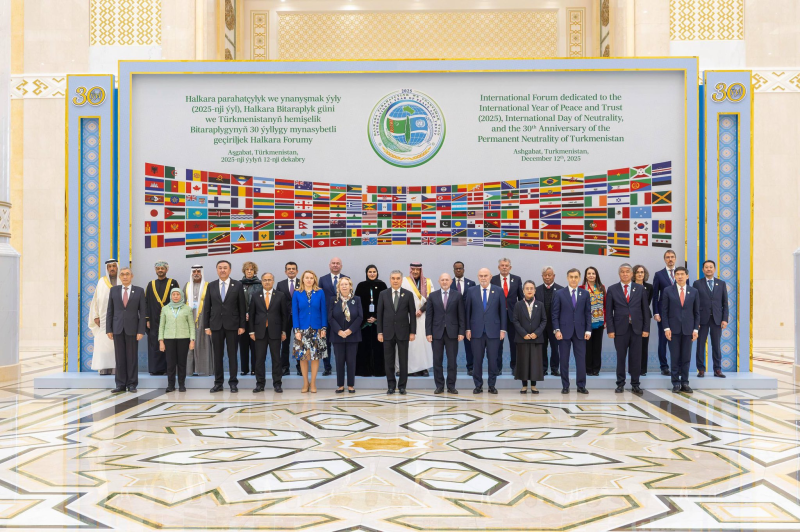

Saudi Arabia underscored the importance of trust-building and inclusive development as foundational elements for achieving lasting peace, moving beyond solely relying on formal agreements. The statement came during the International Forum for Peace and Trust held in Ashgabat, Turkmenistan on Friday, where Deputy Foreign Minister Waleed Al-Khuraiji represented King Salman and Crown Prince Mohammed bin Salman. This reiteration of Saudi Arabia’s stance comes as international efforts to resolve conflicts continue to face challenges.
The forum, convened in the Turkmen capital, focused on strategies for fostering global stability. Al-Khuraiji’s remarks emphasized a holistic approach to peace, one that prioritizes long-term relationship building alongside diplomatic negotiations. Saudi Arabia’s participation highlights its commitment to multilateral initiatives aimed at conflict prevention and resolution.
The Path to Sustainable Peace: Beyond Agreements
Al-Khuraiji articulated that genuine peace is not a singular event, but rather a sustained process. He explained that this process begins with the incremental construction of trust between parties, followed by open and sincere dialogue. Ultimately, he stated, it requires comprehensive and equitable development that empowers individuals affected by conflict to become active contributors to rebuilding their communities.
This perspective aligns with growing international recognition that simply signing treaties is insufficient to address the root causes of instability. Factors such as economic disparity, social injustice, and historical grievances often fuel conflict, requiring long-term investment in sustainable solutions. The Kingdom’s emphasis on development as a key component of peace reflects this understanding.
Turkmenistan’s Role in Promoting Global Trust
Saudi Arabia expressed its appreciation for Turkmenistan’s leadership in promoting global peace and trust. The country’s initiative at the United Nations General Assembly, which resulted in the designation of 2025 as the International Year of Peace and Trust, was specifically acknowledged. This UN resolution aims to bolster dialogue, encourage international cooperation, and reinforce the principles of mutual respect worldwide.
Turkmenistan, known for its neutral foreign policy, has increasingly positioned itself as a facilitator of dialogue and a promoter of peaceful resolutions to regional and international disputes. The country’s geographic location, bridging Europe and Asia, further enhances its potential role in fostering connectivity and understanding.
Saudi Arabia’s Diplomatic Efforts and Humanitarian Aid
The Saudi government has been actively engaged in preventive diplomacy, according to the Ministry of Foreign Affairs. These efforts encompass mediation in regional conflicts, promoting peaceful resolutions to disputes, and providing humanitarian assistance to populations affected by war and instability. The Kingdom also prioritizes fostering dialogue between different cultures and religions, recognizing the importance of mutual understanding in preventing conflict.
Additionally, Saudi Arabia provides significant financial support to international organizations working on peace and security issues. This support is intended to strengthen the capacity of these organizations to address global challenges and promote sustainable development. The country’s “Vision 2030” plan also includes goals related to enhancing its role as a regional and global leader in promoting stability and prosperity.
The Kingdom’s involvement in Yemen, while aimed at restoring a legitimate government, has also been cited as an example of its complex approach to regional security. The ongoing efforts to achieve a lasting ceasefire and political settlement in Yemen demonstrate the challenges of translating diplomatic principles into tangible results. This situation underscores the need for a multifaceted strategy that addresses both immediate security concerns and underlying political and economic issues.
Recent diplomatic breakthroughs facilitated by Saudi Arabia, such as the restoration of relations between Iran and Saudi Arabia brokered in China, demonstrate a willingness to engage in complex negotiations. These developments signal a potential shift towards a more collaborative approach to regional security, although significant challenges remain. The success of these initiatives will depend on sustained commitment from all parties involved and a willingness to address long-standing grievances.
The concept of peacebuilding is increasingly linked to economic diversification and social inclusion. Saudi Arabia’s own efforts to diversify its economy away from oil and to empower its youth and women are seen as contributing to its long-term stability and resilience. This internal focus on development complements its external diplomatic efforts.
The international community is also grappling with the impact of climate change on conflict dynamics. Resource scarcity and environmental degradation can exacerbate existing tensions and create new sources of instability. Addressing these challenges requires a coordinated global response, and Saudi Arabia has pledged to contribute to international efforts to mitigate climate change and promote sustainable resource management. The link between environmental sustainability and lasting peace is becoming increasingly apparent.
Looking ahead, the success of the International Year of Peace and Trust in 2025 will depend on concrete actions taken by member states to implement the principles outlined in the UN resolution. Monitoring the progress of these initiatives and assessing their impact on conflict prevention and resolution will be crucial. The ongoing situation in Ukraine and other global hotspots will continue to test the international community’s commitment to peace and its ability to forge effective solutions. Further developments in regional conflicts and the implementation of the UN resolution are expected in the coming months.