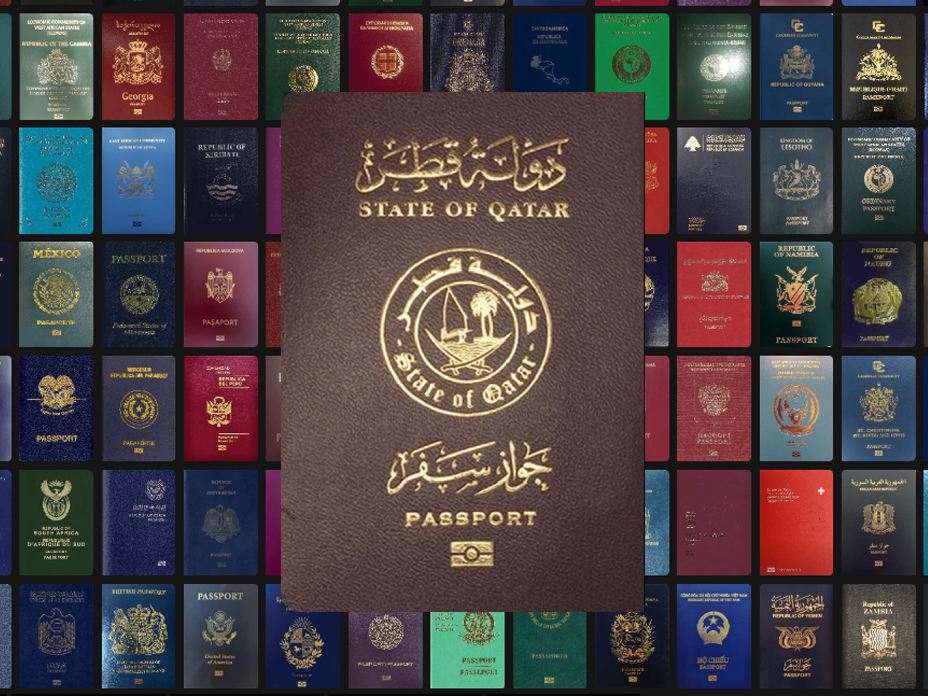

Doha, Qatar – The Qatari passport has been ranked 44th globally in the 2025 Global Passport Power Rank released by Arton Capital, granting its holders visa-free access to 69 countries and visa-on-arrival access to 42 more. The ranking, which assesses passport strength based on travel freedom, places Qatar among the top nations in the Gulf Cooperation Council (GCC). This annual report provides a snapshot of global mobility and the evolving landscape of international travel regulations.
The report, published recently, indicates that Qatari citizens currently require a visa to enter 78 countries, with electronic travel authorization (ETA) available for nine. This data reflects a complex interplay of diplomatic relations, security concerns, and economic partnerships that influence visa policies worldwide. The ranking is based on an analysis of 199 passports, including those of all United Nations member states and six territories.
Understanding the Global Passport Power Rank
The Global Passport Power Rank, compiled by Arton Capital, uses a methodology that prioritizes visa-free and visa-on-arrival access. A mobility score is calculated for each passport, reflecting the number of destinations accessible without requiring a prior visa. The index considers both the quantity and quality of access, giving more weight to visa-free travel.
According to the report, the United Arab Emirates holds the top spot with access to 179 countries visa-free, a significant achievement in global travel freedom. Singapore and Spain share the second position, offering visa-free travel to 175 countries. This demonstrates a growing trend of increased travel facilitation for citizens of these nations.
GCC Passport Rankings
Within the GCC region, Kuwait’s passport ranked closely behind Qatar at 45th globally. Saudi Arabia and Bahrain followed at 48th and 51st respectively, while Oman secured the 51st position. These rankings highlight the varying degrees of travel freedom afforded to citizens of different GCC countries, influenced by their individual foreign policies and agreements.
The rankings also reveal a shift in power dynamics regarding travel freedom. Traditionally strong passports, such as those issued by the United States and the United Kingdom, have seen a slight decline in their ranking. The United States’ passport mobility score decreased from 173 in 2024 to 168 in 2025, resulting in a drop to 9th place. Similarly, the United Kingdom’s score fell from 174 to 169, moving it to 8th position.
This decline in the ranking of US and UK passports is attributed to several factors, including increased reciprocity requirements and evolving geopolitical landscapes. Additionally, the report notes a global trend towards stricter border controls and more complex visa application processes.
A notable finding of the 2025 index is a 1.3% decrease in the World Openness Score. This decline, Arton Capital reports, is a result of increased security measures and updated travel regulations implemented by various countries. The trend suggests a cautious approach to international travel in the current global climate. The report also highlights the impact of global events on travel policies, with nations adjusting their requirements in response to security threats and public health concerns.
The methodology employed by the Passport Index utilizes the United Nations Development Programme Human Development Index (HDI) from 2018 as a tie-breaker when passports have equal mobility scores. This ensures a more comprehensive and nuanced ranking system, considering not only travel freedom but also broader socio-economic factors. The HDI provides a measure of a country’s overall development and global perception, adding another layer of analysis to the index.
Looking ahead, the future of passport power will likely be shaped by ongoing geopolitical shifts, economic partnerships, and evolving security concerns. The next update to the Global Passport Power Rank is expected in early 2026, and it will be crucial to monitor any further changes in the World Openness Score and the relative rankings of different nations. The continued impact of factors like the global economy and international relations on visa policies remains a key area to watch.
The rankings serve as a valuable tool for travelers, providing insights into the ease of international movement. However, it’s important to remember that visa requirements are subject to change, and travelers should always verify the latest information with the relevant embassy or consulate before making travel plans. Understanding the nuances of travel documents and visa regulations is essential for a smooth and hassle-free travel experience.