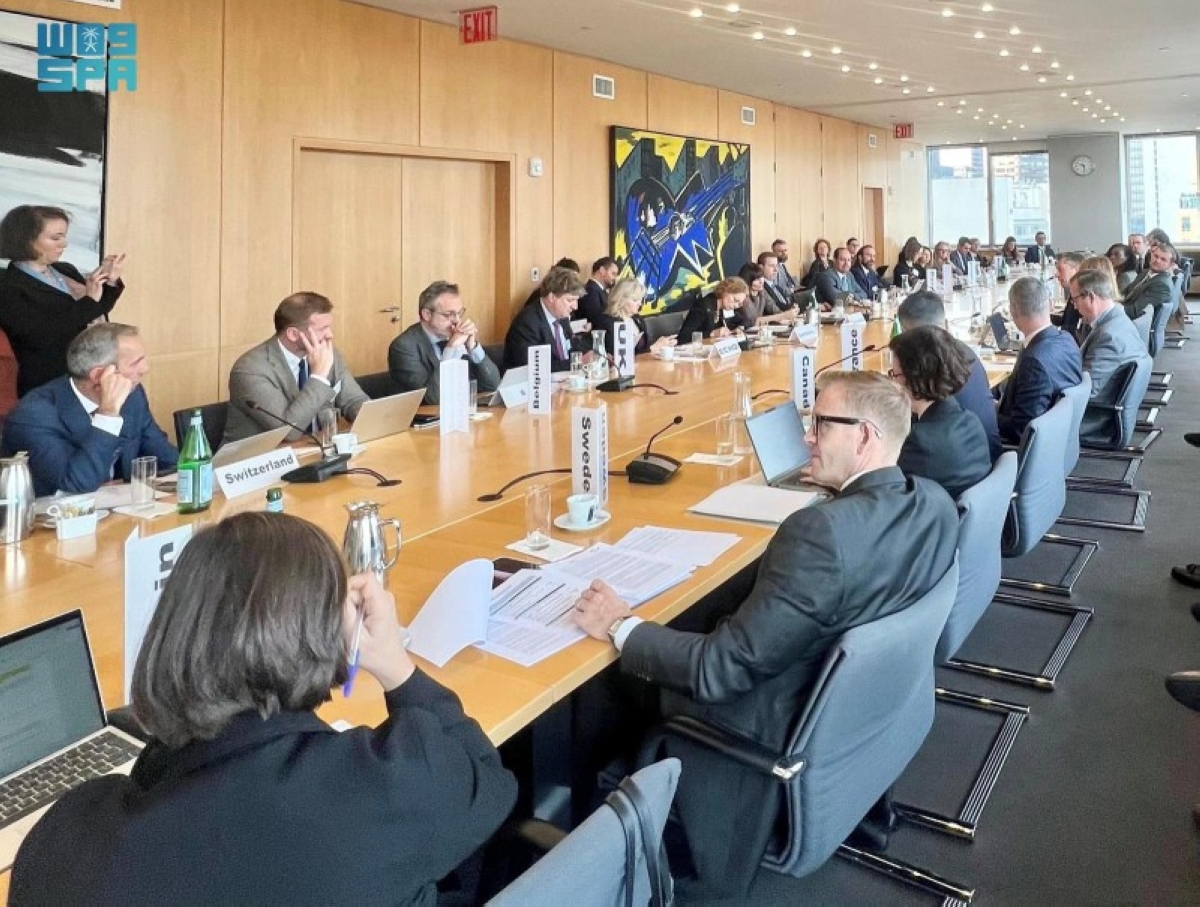

New York – Saudi Arabia reiterated its commitment to global humanitarian aid and the necessity of continued international cooperation during a recent meeting of the OCHA Donor Support Group (ODSG) held at Germany’s UN mission in New York. The Kingdom, represented by Dr. Aqeel Al-Ghamdi of the King Salman Humanitarian Aid and Relief Center (KSrelief), joined UN officials and representatives from other donor nations to discuss escalating global crises and funding strategies. This meeting underscores the ongoing challenges in delivering assistance to populations affected by conflict and natural disasters.
The ODSG meeting, attended by UN Under-Secretary-General for Humanitarian Affairs and Emergency Relief Coordinator Tom Fletcher, focused on bolstering support for international humanitarian plans and financing crucial projects in vulnerable regions. Discussions centered on improving aid delivery efficiency and strengthening partnerships between donor countries and United Nations agencies. The event took place as global humanitarian needs reach record levels, driven by conflicts in Ukraine, Sudan, and the ongoing crisis in Yemen.
The Importance of Sustained Humanitarian Aid
Dr. Al-Ghamdi emphasized Saudi Arabia’s dedication to supporting initiatives that promote regional and global stability through humanitarian action. He highlighted the critical role of KSrelief, the Kingdom’s primary aid organization, in responding to emergencies worldwide. According to KSrelief data, Saudi Arabia has provided billions of dollars in assistance to countries facing humanitarian crises in recent years, focusing on areas like food security, healthcare, and shelter.
The Kingdom’s participation in the ODSG reflects its position as a leading donor and its commitment to upholding UN charters and core humanitarian principles. This includes neutrality, impartiality, and humanity in the delivery of assistance. Saudi Arabia has consistently advocated for a needs-based approach to aid distribution, ensuring resources reach those most affected regardless of political considerations.
Addressing Rising Global Needs
Participants at the meeting reviewed technical reports detailing the increasing demands on the international humanitarian system. The 2024 Global Humanitarian Overview estimated that over 300 million people will require humanitarian assistance this year, a significant increase from previous years. Factors contributing to this rise include climate change, protracted conflicts, and economic instability.
The discussion also touched upon the specific challenges facing aid organizations in accessing vulnerable populations. Bureaucratic hurdles, security concerns, and logistical difficulties often impede the effective delivery of assistance. Improving coordination between humanitarian actors and host governments is seen as essential to overcoming these obstacles.
Financing and Coordination Challenges
A key focus of the ODSG meeting was the exploration of innovative funding mechanisms to ensure the sustainability of humanitarian response. Traditional donor funding is often insufficient to meet the growing needs, and there is a push to diversify funding sources and engage the private sector. The need for greater transparency and accountability in aid spending was also emphasized.
The Central Emergency Response Fund (CERF), a critical source of immediate funding for emergencies, was a central topic. Participants discussed ways to enhance CERF’s capacity to respond rapidly and effectively to new and escalating crises. Strengthening the fund requires increased contributions from member states and improved allocation processes.
Additionally, the meeting addressed the importance of improved field coordination. Duplication of efforts and gaps in coverage can undermine the effectiveness of humanitarian assistance. Enhanced collaboration between UN agencies, NGOs, and local authorities is crucial to ensure a coordinated and comprehensive response.
The discussion around disaster relief also highlighted the increasing frequency and intensity of climate-related disasters. Participants acknowledged the need to integrate climate risk analysis into humanitarian planning and to invest in disaster preparedness and resilience-building initiatives. This proactive approach aims to reduce the impact of future crises and minimize the need for emergency assistance.
In contrast to solely reactive aid, the meeting also emphasized the importance of supporting long-term development projects in conflict-affected areas. Addressing the root causes of vulnerability, such as poverty and lack of access to education and healthcare, is essential to prevent future crises and promote sustainable peace. This requires a shift towards a more holistic and integrated approach to humanitarian action.
The ODSG meeting concluded with a renewed commitment from donor countries to work together to address the escalating global humanitarian challenges. Participants agreed on the need for unified international positions on urgent issues and the pivotal role of donors in advancing humanitarian reform. The focus on strengthening partnerships and improving aid delivery mechanisms signals a collective effort to enhance the effectiveness of the international humanitarian system.
Looking ahead, preparations are underway for the 2026 Global Humanitarian Overview, which will provide a comprehensive assessment of global humanitarian needs and priorities. The success of future humanitarian efforts will depend on sustained political will, adequate funding, and effective coordination among all stakeholders. Monitoring the evolving situation in key crisis regions, such as Sudan and Yemen, and assessing the impact of climate change on humanitarian needs will be crucial in the coming months.