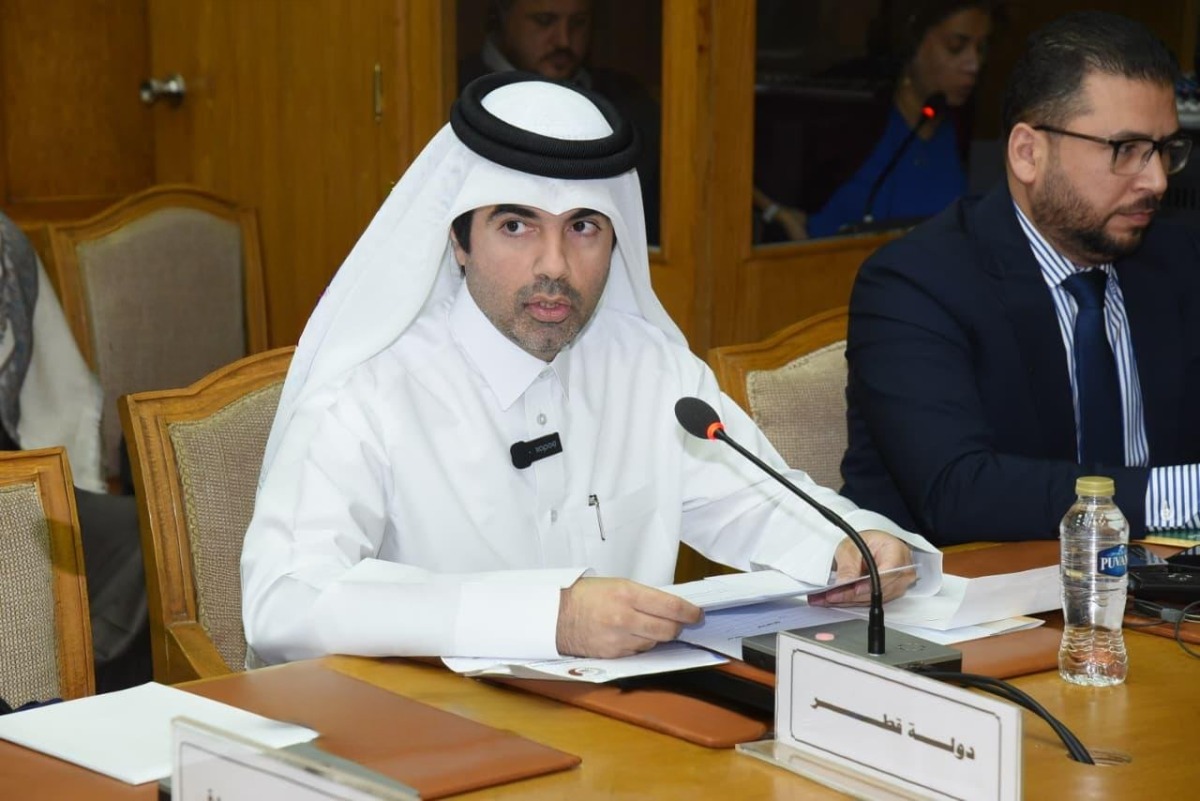

Qatar has reaffirmed its dedication to upholding International Humanitarian Law (IHL), officially joining the Global Initiative on Reinforcing Respect for IHL in September. The country is now co-chairing the initiative’s third track, focusing on IHL and Peace, alongside Saudi Arabia, Bangladesh, Colombia, and Ethiopia. This commitment underscores Qatar’s growing role in global conflict resolution and humanitarian efforts, according to a statement from the Ministry of Justice.
The announcement came during the 13th Meeting of Arab National Committees for International Humanitarian Law, held in Cairo and organized by the Egyptian National Committee in collaboration with the League of Arab States and the International Committee of the Red Cross (ICRC). Qatar’s Undersecretary of the Ministry of Justice, Saeed bin Abdullah Al Suwaidi, highlighted the nation’s increasing prominence in international affairs.
Qatar’s Role in Promoting International Humanitarian Law
Al Suwaidi stated that Qatar’s co-chairmanship reflects its consistent efforts to promote respect for International Humanitarian Law, actively support mediation processes, and prioritize peacebuilding strategies centered on civilian protection and human dignity. The country’s involvement is seen as a significant step in strengthening the global framework for humanitarian principles during armed conflict. This initiative aims to address challenges to IHL implementation and foster a culture of respect for the rules of war.
Qatar’s Permanent Mission in Geneva has been actively involved in the third track of the initiative since the beginning of 2025. The mission has participated in several key events and is currently preparing for a second round of consultations focusing on seven distinct workstreams within the broader global initiative. These workstreams cover a range of topics related to IHL and peace, including the protection of cultural property and the prevention of sexual violence in conflict.
Focus on Mediation and Civilian Protection
The Ministry of Justice indicated that Qatar’s experience in mediation, particularly in regional disputes, is a valuable asset to the initiative. Qatar has previously played a mediating role in conflicts in Sudan and Palestine, demonstrating a commitment to peaceful resolutions. Sharing these experiences will contribute to the development of best practices for promoting compliance with IHL at all levels.
Additionally, Qatar’s National Committee for International Humanitarian Law (NCIHL) has integrated the IHL and Peace track as a core component of its 2026 activity plan. This includes plans for joint seminars and workshops with the Global Initiative, further solidifying the country’s commitment to the cause. These events will likely focus on capacity building for national stakeholders and raising awareness about IHL principles.
The Global Initiative on Reinforcing Respect for International Humanitarian Law was launched in 2023 to address the increasing disregard for these laws in contemporary armed conflicts. It brings together states, international organizations, and civil society to identify and implement solutions to strengthen the protection of civilians and ensure accountability for violations of IHL. The initiative recognizes that effective implementation of IHL requires a multi-faceted approach, encompassing legal frameworks, military training, and political will.
The ongoing meeting in Cairo provides a platform for Arab states to coordinate their efforts in promoting IHL within the region. Discussions are expected to cover challenges related to the implementation of IHL in ongoing conflicts, as well as strategies for strengthening national legal frameworks and improving the training of armed forces. Regional cooperation is considered crucial for addressing the specific humanitarian challenges faced by Arab countries.
Looking ahead, the success of the Global Initiative will depend on sustained political commitment and the allocation of adequate resources. The next phase of consultations, led by Qatar and its co-chairs, will be critical in shaping the initiative’s future work plan and ensuring its effective implementation. Observers will be watching to see how the seven workstreams translate into concrete actions and measurable results in the coming months, particularly regarding human rights and conflict resolution.
The evolving geopolitical landscape and the increasing complexity of armed conflicts present ongoing challenges to the protection of civilians and the upholding of International Humanitarian Law. Continued dialogue and collaboration between states, international organizations, and civil society are essential to address these challenges and ensure a more humane and just world.