



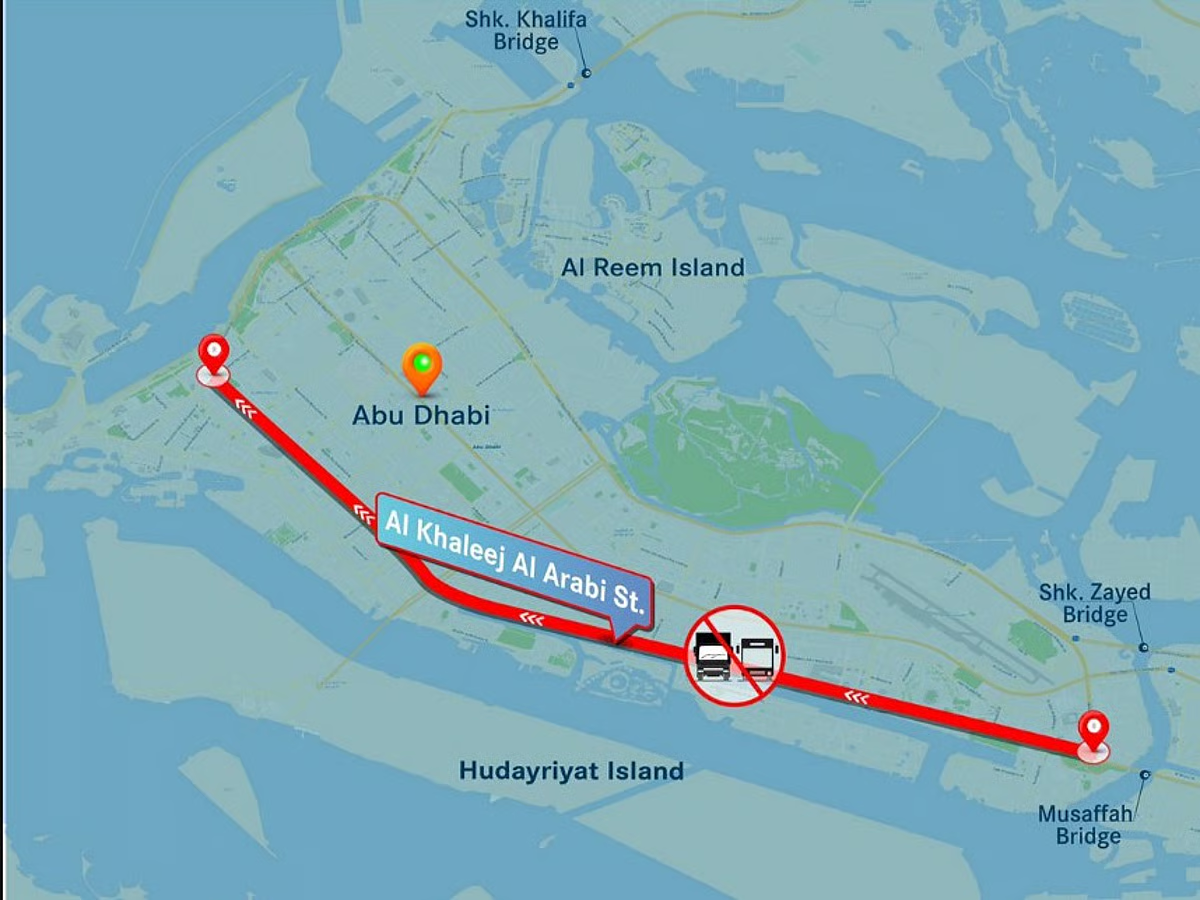

Abu Dhabi authorities have announced a temporary restriction on the movement of heavy vehicles and labour transport buses along Al Khaleej Al Arabi Street this weekend. The measure, effective from Friday evening to Sunday morning, aims to improve traffic flow and bolster road safety on the busy coastal road. This temporary adjustment is part of ongoing efforts to optimize infrastructure and accommodate the city’s growing transportation needs.
The restrictions will be in place from 8:00 PM on Friday, November 17th, to 6:00 AM on Sunday, November 19th. Affected vehicles are prohibited from using Al Khaleej Al Arabi Street during these hours. The Integrated Transport Centre (ITC) of the Department of Municipalities, Transport, and the Environment (DMT) issued the notice, urging motorists to plan their journeys accordingly and utilize alternative routes.
Understanding the Al Khaleej Al Arabi Street Traffic Restrictions
Al Khaleej Al Arabi Street, also known as the Arab Gulf Street, is a vital artery in Abu Dhabi, connecting key residential, commercial, and industrial areas. It experiences significant traffic volume, particularly during peak hours and weekends. The decision to temporarily restrict certain vehicle types is a proactive measure to mitigate potential congestion and enhance safety for all road users.
Reasons for the Temporary Ban
The ITC cited the need to manage traffic congestion as the primary reason for the restrictions. Weekends typically see increased recreational activity and movement of people, exacerbating existing traffic pressures. Additionally, the ban aims to reduce the risk of accidents involving heavy vehicles and labour transport buses, which often have different speed capabilities and maneuverability compared to standard passenger vehicles.
According to the DMT, the street is undergoing continuous improvements to its infrastructure. While no specific construction projects were directly linked to this weekend’s restrictions, the ITC frequently implements temporary measures to facilitate maintenance and upgrades. These proactive steps are designed to minimize long-term disruptions to the public.
Alternative Routes for Affected Vehicles
The ITC has advised drivers of heavy vehicles and labour transport buses to utilize alternative routes during the restricted hours. These include Sheikh Zayed Bin Sultan Street and 2nd Street, which offer parallel routes along the city’s coastline. Motorists are encouraged to check real-time road conditions via the Tamam app or other navigation tools to identify the most efficient path.
However, increased traffic on these alternative routes is anticipated. The ITC has stated that traffic management teams will be deployed to monitor the situation and implement necessary adjustments to ensure smooth traffic flow. This includes optimizing signal timings and providing guidance to drivers.
The restrictions do not apply to emergency vehicles, public buses operating on designated routes, or vehicles with special permits. Residents and businesses located along Al Khaleej Al Arabi Street should anticipate potential delays in deliveries and transportation services during the weekend.
Abu Dhabi has been actively investing in its transportation infrastructure to support its rapid economic growth and increasing population. Recent projects include expansions to the metro network, improvements to highway systems, and the development of integrated public transportation solutions. These initiatives are intended to reduce reliance on private vehicles and promote sustainable mobility.
The implementation of temporary traffic restrictions, like the one on Al Khaleej Al Arabi Street, is a common practice in major cities worldwide. Such measures are often employed during peak seasons, special events, or to facilitate essential road maintenance. The goal is to balance the needs of various road users and minimize disruptions to daily life.
The UAE’s commitment to road safety is consistently highlighted in national strategies. The Ministry of Interior regularly launches campaigns to raise awareness about safe driving practices and enforce traffic regulations. These efforts contribute to a continuous improvement in road safety metrics across the country. The focus on road safety is particularly important given the high number of vehicles on the road and the diverse driving conditions.
This weekend’s restrictions are a localized response to specific traffic challenges on Al Khaleej Al Arabi Street. In contrast, broader transportation planning in Abu Dhabi considers long-term solutions such as expanding public transport options and promoting cycling and pedestrian infrastructure. The city is also exploring the use of smart technologies to optimize traffic management and reduce congestion.
The ITC has not specified whether similar restrictions will be implemented in the future. The effectiveness of this weekend’s measures will likely be evaluated to determine if they should be repeated during other periods of high traffic volume. Motorists should continue to monitor official announcements from the ITC for updates on traffic regulations and potential disruptions. The next assessment of the situation is expected early next week, with a decision regarding future restrictions anticipated by November 24th. The long-term impact on overall traffic management remains to be seen.