






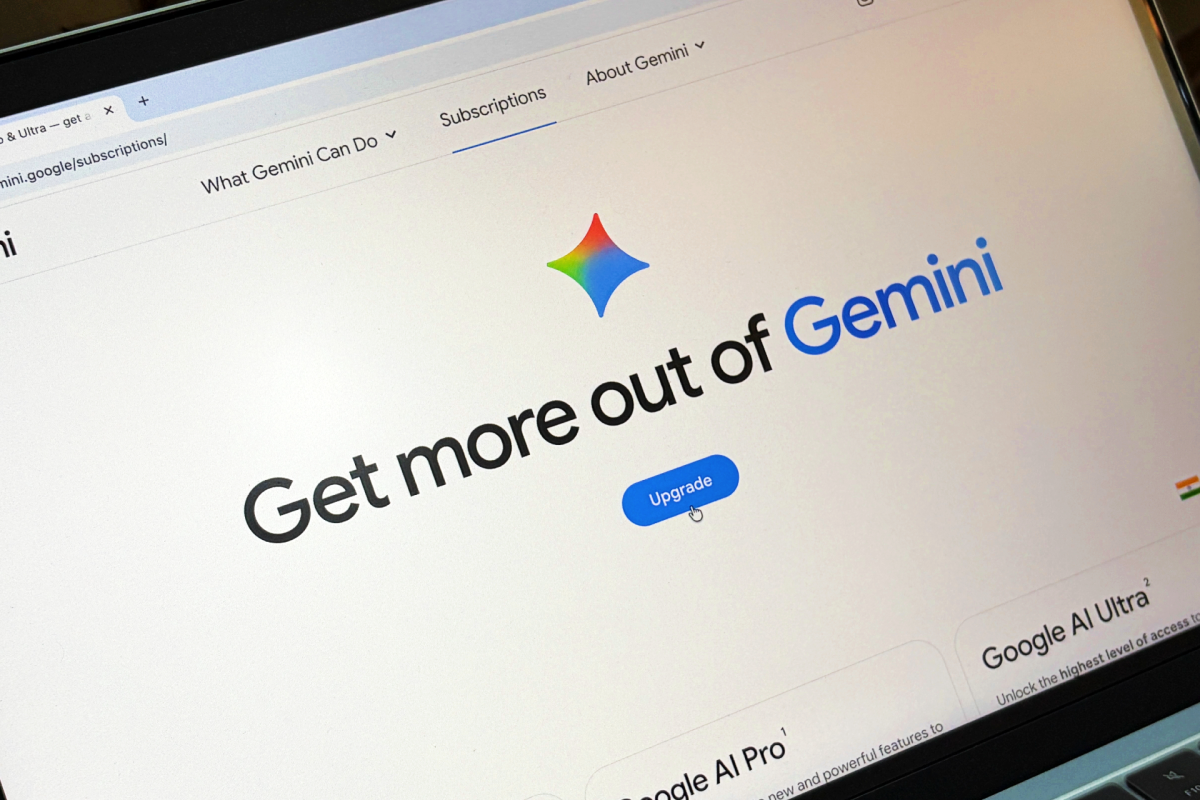

Google has launched a more affordable tier of its artificial intelligence services, AI Plus, in India, aiming to capture a larger share of the rapidly growing AI market. The new plan, priced at ₹199 (approximately $2.21) per month for the first six months, then increasing to ₹399 (around $4.44), offers enhanced features and usage limits compared to Google’s free AI tools. This move comes as competition intensifies with other AI providers like OpenAI, who have already introduced competitively priced subscription options in the region.
The rollout began on Wednesday and is a direct response to the pricing strategies employed by rivals seeking to attract India’s vast user base. India represents a significant potential market for AI companies due to its large population and increasing digital adoption. Google initially introduced AI Plus in Indonesia in September, expanding to other countries shortly after.
Google’s AI Plus Plan: Features and Benefits
The AI Plus subscription provides several key advantages for users. These include increased limits for accessing Google’s most powerful AI models, Gemini 3 Pro and Nano Banana Pro, enabling more complex and extensive AI-powered tasks. Subscribers also gain access to video generation capabilities within the Gemini and Flow applications.
Beyond model access, the plan expands functionality within Google’s existing productivity suite. Users receive enhanced deep research tools within NotebookLM, designed for more in-depth information gathering and analysis. Additionally, the subscription bundles a substantial 200GB of cloud storage, shared across Google Photos, Drive, and Gmail.
A notable feature is the family sharing option, allowing subscribers to extend access to up to five family members. This increases the value proposition of the plan and broadens its potential reach within households. Prior to this launch, the least expensive Google AI subscription in India was AI Pro, priced at ₹1,950 per month.
Competitive Landscape in India
Google’s pricing adjustment is largely driven by the competitive pressure from OpenAI. In August, OpenAI launched ChatGPT Go in India, priced under $5 per month, offering ten times the usage limits of the free version. This move quickly gained traction among Indian users. The availability of affordable AI options is a key factor in driving adoption in a price-sensitive market like India.
However, OpenAI wasn’t the first to offer significant free access. Perplexity partnered with telecom provider Airtel to offer its Pro plan free for a year to all Airtel customers. OpenAI followed suit, providing free access to ChatGPT Go for a year to both existing and new subscribers. These promotions highlight the aggressive strategies companies are employing to establish a foothold in the Indian AI landscape.
Google has also engaged in promotional partnerships. The company collaborated with Reliance Jio to offer its AI Pro plan at no cost for 18 months to users on specific Jio plans. This demonstrates Google’s understanding of the importance of leveraging existing infrastructure and customer bases to accelerate AI adoption.
Implications for the AI Market
The introduction of more affordable AI plans in India is expected to accelerate the adoption of artificial intelligence technologies across various segments. Lower price points remove a significant barrier to entry for individual users and small businesses. This increased accessibility could lead to greater innovation and the development of new AI-powered applications tailored to the Indian market.
The competition is also likely to drive further improvements in AI model performance and feature sets. Companies will need to continually enhance their offerings to attract and retain subscribers. This benefits consumers by providing access to cutting-edge AI technology at increasingly competitive prices. The focus on affordability also signals a shift towards recognizing the unique economic realities of emerging markets.
The trend of bundling AI subscriptions with existing services, such as telecom plans, is also noteworthy. This approach allows companies to reach a wider audience and integrate AI into users’ daily routines. It also creates opportunities for cross-promotion and increased customer loyalty. The success of these bundled offerings will likely influence future strategies in the Indian AI market.
The availability of these plans also raises questions about data privacy and security. As more users adopt AI services, it becomes crucial to ensure that their data is protected and used responsibly. Regulatory frameworks and industry best practices will play a vital role in addressing these concerns. The Indian government is currently evaluating policies related to artificial intelligence, including data governance and ethical considerations.
Looking ahead, the Indian AI market is poised for continued growth and innovation. The next few months will be critical in observing how users respond to the various pricing and promotional strategies. Further developments in AI model capabilities and the emergence of new AI applications are also expected. The long-term impact of these initiatives on the broader AI ecosystem remains to be seen, but the current trend suggests a dynamic and competitive landscape.