






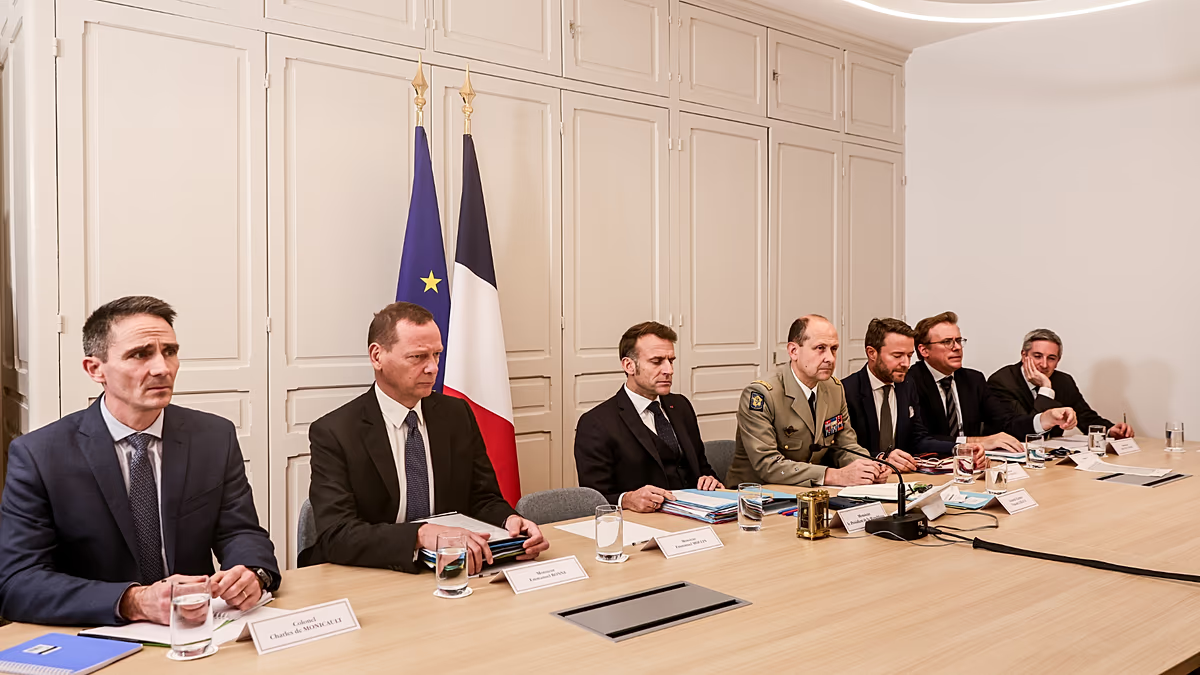

Transatlantic unity remains a key focus as European nations seek a greater role in shaping peace negotiations with Russia regarding Ukraine, even as the United States pushes for a swift resolution. Members of the “Coalition of the Willing” reaffirmed their commitment to supporting Ukraine, emphasizing the importance of robust security guarantees that include strong European deterrence capabilities. The discussions come amid increasing pressure to finalize a framework for ending the conflict.
Ukrainian President Volodymyr Zelenskyy stated following a virtual meeting with 34 primarily European countries that securing reliable security guarantees is paramount. He highlighted a “constructive and in-depth discussion” with a US delegation led by Secretary of State Marco Rubio, focusing on the specifics of those guarantees. Zelenskyy expressed optimism that a clear understanding of these guarantees will emerge soon, thanking allies for their ongoing support.
The Push for European Influence in Ukraine Security Guarantees
While the US has urged a quicker path to peace, European leaders are keen to ensure their interests are represented in any final agreement. A significant point of leverage for Europe is the approximately €210 billion in Russian sovereign assets immobilized within their jurisdictions. The European Union recently agreed to indefinitely freeze these assets, intending to utilize them to fund Ukraine’s financial needs over the next two years.
This decision was partly motivated by concerns that the US might seek control of the frozen assets for a separate settlement with Moscow. According to European Commission President Ursula von der Leyen, the coming week will be “decisive” in securing financing for Ukraine through 2026-2027. Belgium, where a substantial portion of the assets are held, had previously expressed reservations about the proposed loan mechanism, citing fears of Russian retaliation and concerns about burden-sharing.
US Role and Potential Negotiations
US President Donald Trump has indicated that European allies should bear the majority of the financial and security burden related to Ukraine. Currently, 26 countries have pledged to provide equipment and assistance in a post-truce scenario. France and the UK, co-chairs of the Coalition of the Willing, are prepared to contribute to a “reassurance force,” though this effort remains dependent on continued US support, particularly in air defense and intelligence sharing.
Diplomatic efforts are intensifying, with French President Emmanuel Macron, German Friedrich Merz, and UK’s Keir Starmer recently discussing the peace talks with Trump. Merz revealed that discussions may lead to a joint meeting this weekend, potentially followed by further talks in Berlin next week, with or without US participation. He emphasized that the core question revolves around the territorial concessions Ukraine is willing to make, a decision that ultimately rests with the Ukrainian people.
German Foreign Minister Johann Wadephul noted a significant shift from an earlier, Russia-favored 20-point plan to a revised 20-point plan. NATO Secretary-General Mark Rutte expressed optimism that the US and Europe can align on a common approach, but acknowledged uncertainty regarding Russia’s willingness to genuinely pursue peace. He stressed the need to maintain pressure on Russia and support efforts to end the conflict.
Relatedly, discussions around potential financial aid to Ukraine are ongoing, with the EU exploring various mechanisms to provide long-term support. The situation remains fluid, and the outcome of negotiations will have significant implications for the future of Ukraine and European security.
Looking ahead, the next week is critical for finalizing financial arrangements and solidifying a unified transatlantic approach to the peace process. Observers will be closely watching for signs of progress in negotiations and whether a common ground can be reached between the US, Europe, and Russia regarding Ukraine’s future security. Continued monitoring of diplomatic developments and the mobilization of frozen Russian assets will be essential.