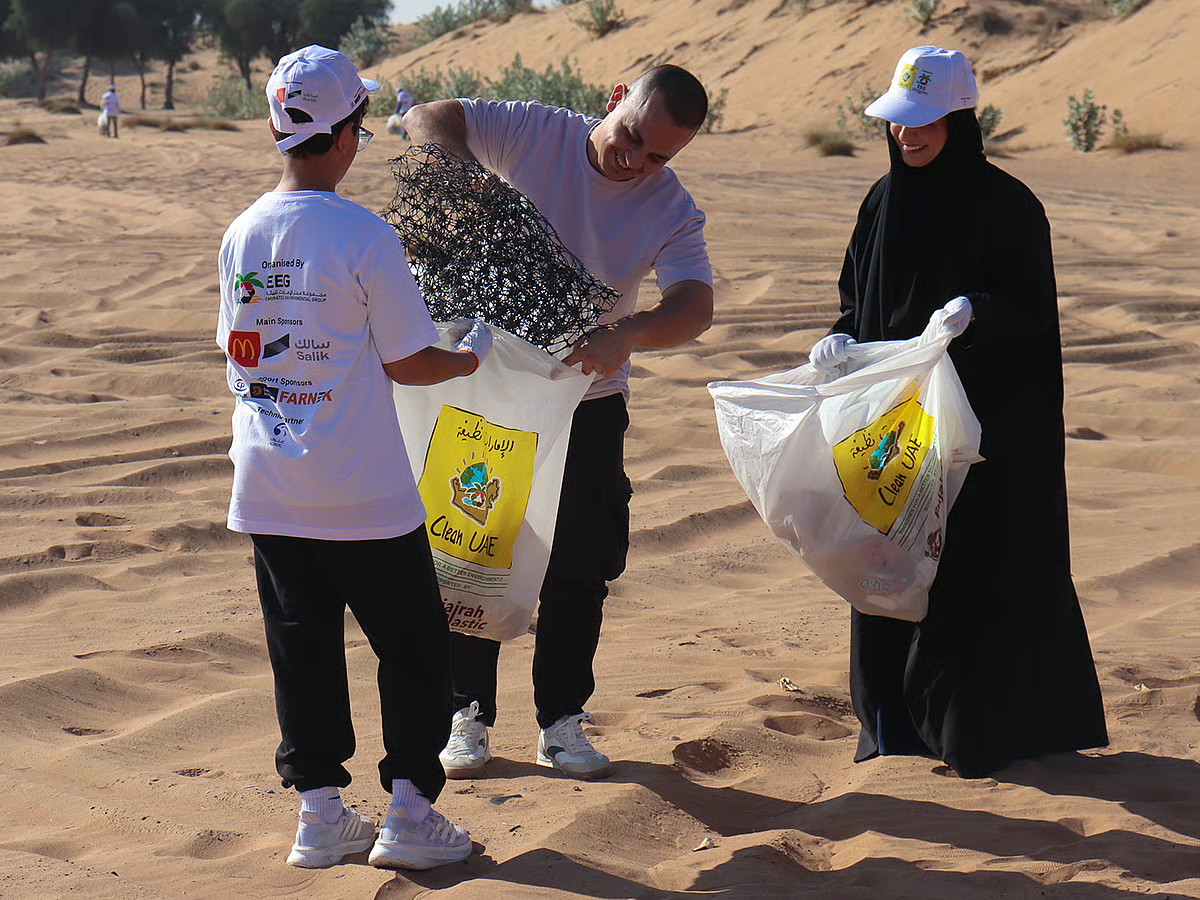

Nearly 1,900 volunteers participated in a large-scale clean-up campaign across Sharjah, collecting over 1,237 kilograms of waste. The initiative, organized by the Emirates Environmental Group (EEG), focused on removing litter from a 10km stretch of open land and promoting responsible waste management practices. This event underscores a growing commitment to environmental sustainability within the United Arab Emirates and highlights the power of community involvement in addressing ecological challenges.
The clean-up, which took place recently across multiple sites in Sharjah, drew participants from diverse backgrounds including families, students, and staff from various institutions. Organizers provided volunteers with eco-friendly materials such as cotton T-shirts, caps, biodegradable bags, and cotton gloves to minimize the environmental impact of the clean-up itself. The collected waste was carefully sorted into categories for recycling, including paper, plastic, glass, and scrap metal.
The Importance of the Clean UAE Campaign
The event is part of the broader Clean UAE campaign, launched in 2002 by the EEG. According to Dr. Habiba Al Mar’ashi, Co-Founder and Chairperson of EEG, the campaign aims to foster sustainable habits throughout the Emirates and raise awareness about critical environmental issues, particularly concerning waste reduction and recycling. The initiative has demonstrably grown over the years, reflecting the UAE’s increasing dedication to environmentally conscious lifestyles.
Dr. Al Mar’ashi emphasized the campaign’s role in educating younger generations about environmental responsibility. She noted that the collaborative nature of the clean-up strengthens social connections by uniting individuals from different communities in a shared national effort. This aspect of community building is considered as important as the environmental benefits.
Government and Institutional Support
Eng. Amal Abdulrahim Mohammed, Assistant Undersecretary for Support Services at the Ministry of Climate Change and Environment, attended the event, signaling the Ministry’s strong support for collaborative environmental action. Her presence underscored the importance of partnerships between government entities, private companies, and non-governmental organizations in achieving national sustainability goals. The Ministry has previously stated its commitment to reducing landfill waste by 75% by 2030.
Sharjah City for Humanitarian Services also reaffirmed its support for the campaign. Khadija Ahmed Bamakhramah, Head of the Planning and Follow-up Department, stated that the initiative promotes civic engagement and encourages sustainable behaviors across the Emirate. The organization specifically highlighted the campaign’s inclusivity, noting its alignment with their mission to integrate people with disabilities into community and national projects.
Focus on Waste Diversion
The 1,237kg of general waste collected represents a significant amount diverted from landfills. However, the 550kg of paper, 56kg of plastic, 23kg of glass, and 20kg of scrap metal that were separated for waste management are particularly noteworthy. All recyclable materials were transported to local facilities for processing, contributing to a circular economy and reducing the demand for virgin resources. This careful sorting process is crucial for maximizing the effectiveness of recycling programs.
The success of the Sharjah clean-up is part of a wider trend of increased environmental awareness in the UAE. Recent initiatives include investments in renewable energy sources, stricter regulations on plastic use, and public education campaigns promoting sustainable consumption. These efforts are driven by both national environmental targets and international commitments to address climate change.
Looking ahead, the EEG plans to continue the Clean UAE campaign with further clean-up events scheduled throughout the year in different Emirates. The organization is also exploring opportunities to expand the scope of the campaign to include educational workshops and community outreach programs. The long-term impact of these initiatives will depend on sustained funding, continued volunteer participation, and the development of more robust environmental protection infrastructure.