






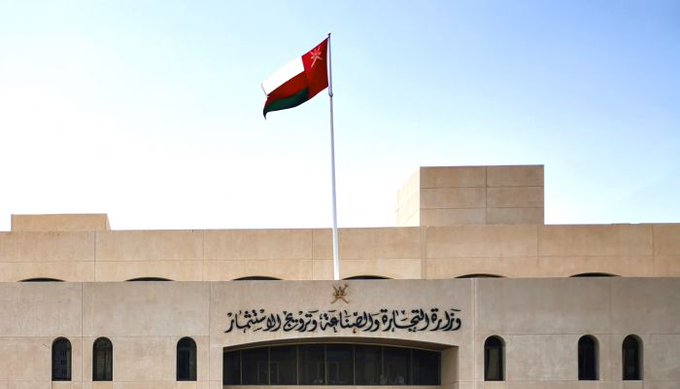

Oman has taken a significant stride towards bolstering financial transparency and corporate governance with the official launch of the Real Beneficiary Service on the Oman Business Platform. This new initiative, activated today following Ministerial Decision No. 424/2023, mandates that all registered companies – with the exception of publicly traded joint-stock companies – disclose detailed information about their ultimate ownership. The move is a crucial step in aligning Oman with international standards for anti-money laundering and preventing financial misconduct.
Understanding the Real Beneficiary Service in Oman
The launch of the Real Beneficiary Service represents a fundamental shift in how Oman regulates its commercial landscape. For years, identifying the true owners of companies has been a challenge, creating opportunities for illicit financial activities. This new regulation directly addresses that issue by requiring companies to proactively identify and report their real beneficiaries – the individuals who ultimately own or control the entity, even if through layers of legal ownership.
What Does This Mean for Companies?
All companies registered in Oman, excluding those publicly listed on the stock exchange, are now legally obligated to comply with Ministerial Decision No. 424/2023. This means submitting comprehensive information about their real beneficiaries through the Oman Business Platform. The Ministry of Commerce, Industry, and Investment Promotion (MOCIIP) has emphasized that this is not a voluntary measure; it’s a mandatory requirement.
Failure to comply can result in penalties and potential legal repercussions. Companies are therefore strongly encouraged to act swiftly and update their records accurately. The process involves identifying individuals who meet specific criteria, such as owning a significant percentage of shares or exercising control through other means.
Why is Identifying Real Beneficiaries Important?
The importance of knowing who truly owns and controls a company extends far beyond simply ticking a regulatory box. It’s a cornerstone of a robust and transparent financial system. Identifying corporate ownership helps to prevent a range of illicit activities, including money laundering, terrorist financing, and tax evasion.
Additionally, this initiative enhances investor confidence. Transparency regarding ownership structures reduces the risk associated with doing business in Oman and attracts foreign investment. It also strengthens the overall integrity of the Omani economy.
The Role of the Oman Business Platform
The Oman Business Platform serves as the central hub for all company-related registrations and compliance matters in Oman. The integration of the Real Beneficiary Service into this platform streamlines the reporting process and ensures a centralized database of beneficial ownership information.
Companies can access the platform online and follow the guided steps to submit the required details. The MOCIIP has indicated that the platform is designed to be user-friendly and provide clear instructions. However, companies may wish to seek professional advice to ensure accurate and complete submissions.
Alignment with International Standards
Oman’s move to implement a Real Beneficiary Service demonstrates its commitment to international best practices in financial regulation. Global bodies like the Financial Action Task Force (FATF) have consistently emphasized the importance of beneficial ownership transparency as a key component of financial crime prevention.
By aligning with these standards, Oman strengthens its position as a responsible and reliable partner in the global financial system. This also facilitates international cooperation in combating financial crime and protecting the integrity of the global economy.
Ensuring Ongoing Compliance and Future Updates
The launch of the Real Beneficiary Service is not a one-time event. Companies will be required to keep their beneficial ownership information up-to-date and notify the MOCIIP of any changes. This ongoing compliance is crucial to maintaining the integrity of the system.
The MOCIIP is expected to provide further guidance and updates on the implementation of the regulation. Companies should regularly check the Oman Business Platform and official ministry announcements for the latest information. Staying informed and proactive is key to ensuring continued compliance.
Conclusion
The introduction of the Real Beneficiary Service in Oman is a landmark achievement in enhancing corporate transparency and strengthening the nation’s financial safeguards. By mandating the disclosure of ultimate ownership, the Ministry of Commerce, Industry, and Investment Promotion is taking a proactive step towards preventing financial misconduct and aligning with global standards. Companies operating in Oman must prioritize compliance with this new regulation by promptly updating their records on the Oman Business Platform. This initiative not only protects the integrity of the Omani economy but also fosters a more attractive and trustworthy business environment. For more information and to begin the process, visit the Oman Business Platform today.