




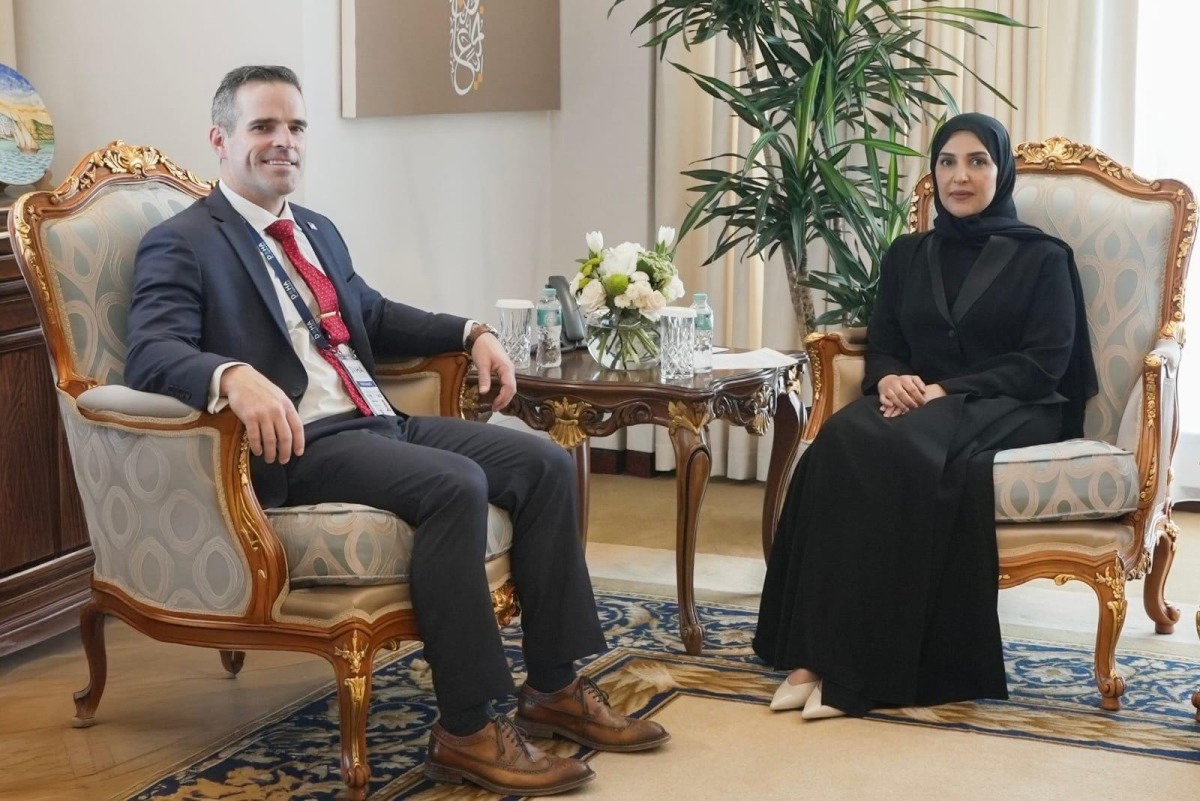

Doha, Qatar – The Chairperson of Qatar’s National Human Rights Committee (NHRC), H.E. Maryam bint Abdullah Al-Attiyah, recently met with U.S. Deputy Assistant Secretary of State Jacob MacGee to discuss ongoing collaborations and Qatar’s commitment to human rights. The meeting underscored the NHRC’s dedication to freedom of expression, non-discrimination, and combating human trafficking, key areas of focus for the organization since its inception. Discussions took place at the NHRC headquarters in Doha on an unspecified date this week.
The meeting between Al-Attiyah and MacGee signals continued dialogue between Qatar and the United States on issues related to civil liberties and labor practices. Both parties reportedly reaffirmed their commitment to upholding international standards and addressing areas of mutual concern. This exchange is particularly noteworthy given Qatar’s recent international scrutiny regarding worker welfare during preparations for the FIFA World Cup 2022.
Prioritizing Freedom of Expression and Non-Discrimination
Al-Attiyah emphasized that the NHRC views the right to freedom of opinion and expression, alongside the prevention of discrimination, as fundamental pillars of a rights-respecting society. The Committee has actively participated in international forums dedicated to these principles, working to translate global discussions into concrete national legislative improvements. This proactive approach demonstrates Qatar’s intent to align its legal framework with internationally recognized human rights standards.
National Legislation and International Alignment
The NHRC’s efforts to integrate international norms into Qatari law are ongoing. According to the Committee, this process involves continuous assessment of existing legislation and proposing amendments to ensure comprehensive protection of fundamental freedoms. This includes addressing potential gaps in legal protections and strengthening enforcement mechanisms.
Combating Human Trafficking: A Key Focus for the NHRC
Beyond freedom of expression, the NHRC has identified combating human trafficking as a top priority. The Committee receives and investigates petitions from individuals who believe they have been victims of trafficking, immediately coordinating with relevant authorities to pursue legal remedies. This includes ensuring access to justice and providing support to those affected.
The NHRC’s response to suspected trafficking cases is characterized by a dual approach, considering both legal requirements and the humanitarian needs of the victims. When a case raises concerns about human trafficking, the Committee explicitly communicates this to the authorities and requests a thorough investigation and protective measures. This proactive stance aims to prevent further exploitation and ensure accountability.
A significant component of the NHRC’s anti-trafficking work involves training and awareness-raising initiatives. Following the FIFA World Cup Qatar 2022, the Committee delivered 12 specialized training courses for hotel employees, focusing on identifying and reporting potential trafficking situations. These efforts have expanded to include community groups, commercial companies, and university students, in collaboration with the National Committee to Combat Human Trafficking at the Ministry of Labour. These programs cover Qatar’s anti-trafficking laws, the principles of business and human rights, and provide crucial contact information for reporting suspected cases.
The NHRC stresses the importance of shared responsibility in preventing human trafficking, encompassing individual, collective, and state-level obligations. This holistic perspective recognizes that effective prevention requires a coordinated effort from all stakeholders. The Committee also highlights the need for comprehensive victim rehabilitation programs, ensuring that survivors receive the support they need to rebuild their lives. The issue of human trafficking remains a global concern, and Qatar is actively working to address it.
Looking ahead, the NHRC is expected to continue its collaboration with international partners, including the United States, to enhance its capacity in protecting human rights. Further developments in national legislation related to freedom of expression and worker protections are also anticipated. Monitoring the implementation of existing laws and the effectiveness of awareness-raising programs will be crucial in assessing Qatar’s progress in these areas. The Committee’s annual reports and ongoing engagement with stakeholders will provide insights into future priorities and challenges in the realm of international human rights.
The Ministry of Labour is also expected to release updated statistics on reported trafficking cases and the outcomes of investigations in the coming months, offering a more comprehensive picture of the situation in Qatar.