






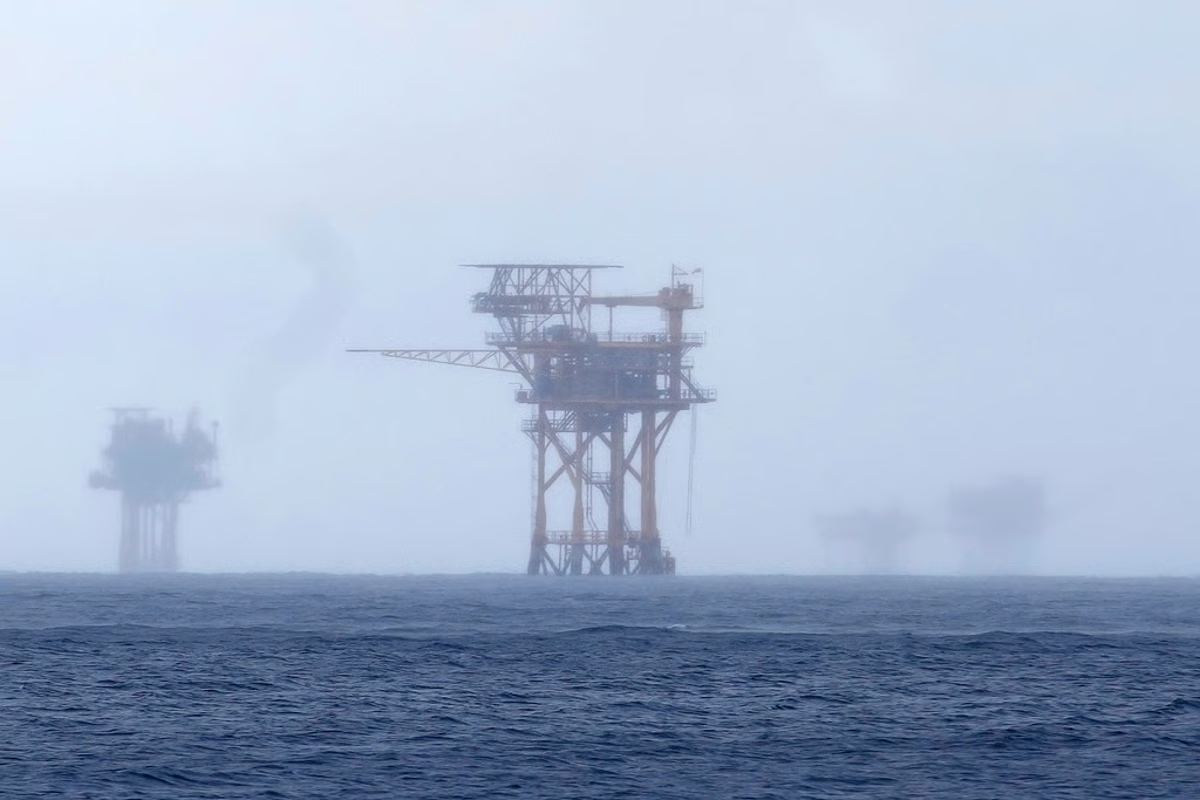

The Biden administration’s latest Gulf of Mexico oil lease sale concluded with significantly lower bids from energy companies, signaling a potential shift in industry investment. Thirty companies participated, including major players like Chevron, Shell, and BP, submitting bids totaling less than previous auctions. Federal officials announced the results of the sale, which offered up approximately 31 million acres for exploration and development, on June 5, 2024.
The auction, known as Lease Sale 261, saw high bids totaling over $88 million, a decrease of more than $100 million compared to the December 2023 Gulf of Mexico lease sale. This represents a notable downturn in industry appetite for new offshore drilling opportunities, raising questions about the future of oil and gas production in the region. The Bureau of Ocean Energy Management (BOEM) conducted the sale.
Understanding the Decline in Gulf of Mexico Oil Lease Bids
Several factors likely contributed to the reduced bidding activity. A primary driver is the current and projected decline in oil prices, influenced by global economic conditions and increased production from other sources. Additionally, the increasing focus on renewable energy sources and the energy transition is impacting long-term investment strategies for oil companies.
The December 2023 sale, which generated over $188 million in high bids, occurred during a period of relatively higher oil prices and greater certainty regarding future demand. However, the energy landscape has shifted in the subsequent months. The International Energy Agency (IEA) has repeatedly revised its oil demand forecasts downwards, citing increased efficiency and the adoption of electric vehicles.
Impact of Regulatory Changes
The Biden administration has faced legal challenges regarding its approach to oil and gas leasing. Courts have invalidated previous lease sales due to insufficient environmental reviews, leading to uncertainty for companies considering long-term investments. While Lease Sale 261 included stipulations intended to address these concerns, the lingering possibility of future legal challenges may have dampened enthusiasm.
These stipulations included increased royalty rates and a requirement for companies to develop plans to mitigate potential impacts on marine life. Some industry analysts argue that these added costs and complexities make Gulf of Mexico projects less attractive compared to opportunities in other regions with more favorable regulatory environments.
Shifting Investment Towards Other Energy Sources
Major oil companies are increasingly allocating capital to renewable energy projects, such as wind and solar power, as well as to lower-carbon technologies like carbon capture and storage. This strategic shift reflects both investor pressure and the companies’ own assessments of long-term energy market trends. Consequently, less funding is available for traditional oil and gas exploration and development, including opportunities in the Gulf of Mexico.
The focus on offshore wind energy is particularly relevant. The Biden administration has set ambitious goals for offshore wind capacity, and several lease sales for wind energy areas in the Gulf of Mexico have already taken place. This competition for resources and investment may be diverting funds away from oil and gas.
Meanwhile, the lower bids do not necessarily indicate a complete abandonment of the Gulf of Mexico. The region remains a significant source of oil and gas production for the United States, and companies with existing infrastructure and expertise may continue to pursue opportunities there. However, the reduced interest suggests a more cautious approach to new investments.
Implications for US Energy Production and Policy
The outcome of this oil and gas auction has implications for domestic energy production and the administration’s energy policy. Lower investment in the Gulf of Mexico could potentially lead to decreased oil and gas supply in the future, impacting energy prices and security. This is a complex issue, as the US also aims to reduce its reliance on fossil fuels.
The administration maintains that it is balancing the need for energy security with its commitment to addressing climate change. The inclusion of environmental safeguards in the lease sale is presented as evidence of this balance. However, critics argue that the administration’s policies are hindering domestic oil and gas production and increasing dependence on foreign sources.
The results also highlight the challenges of managing the energy transition. While renewable energy is growing rapidly, oil and gas are still expected to play a significant role in meeting global energy demand for decades to come. Finding a sustainable path forward requires careful consideration of both economic and environmental factors. The current situation also impacts energy security considerations for the US.
In contrast to the Gulf of Mexico results, other recent lease sales, particularly those focused on renewable energy, have seen strong bidding activity. This reinforces the trend of shifting investment towards cleaner energy sources. The Department of the Interior continues to emphasize its commitment to developing a diverse energy portfolio.
The BOEM is currently reviewing the bids submitted in Lease Sale 261 to ensure compliance with all applicable regulations. This process typically takes several weeks. Following the review, the agency will issue notices of sale to the winning bidders, who will then have the opportunity to finalize their leases. The deadline for lease finalization is expected within 90 days of the sale conclusion.
Looking ahead, the industry will be closely watching future lease sales and regulatory developments in the Gulf of Mexico. The long-term impact of the current downturn in bidding activity remains to be seen, and will depend on a variety of factors, including oil prices, government policies, and the pace of the energy transition. Further analysis of the bids and the companies involved will provide additional insights into the evolving dynamics of the offshore energy market.