






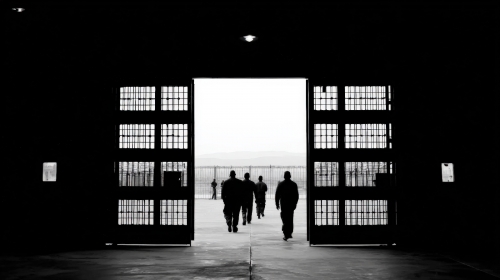

The Bahraini government is taking significant steps to modernize its legal framework, with a recent proposal to rename prisons as ‘Reform and Rehabilitation Centres’. This move, submitted as Decree No. (68) of 2025, isn’t simply a semantic shift; it represents a fundamental change in approach to the justice system, aligning with international labour standards and prioritizing the reintegration of offenders into society. The proposed amendments to the Penal Code aim to address concerns raised by the International Labour Organisation (ILO) regarding forced labour and demonstrate Bahrain’s commitment to upholding human rights.
Bahrain’s Penal Code Reform: A Focus on Rehabilitation
The core of the proposed legislation lies in updating the terminology used throughout the Penal Code. Replacing the term ‘prison’ with ‘Reform and Rehabilitation Centre’ is a deliberate act, signalling a move away from purely punitive measures towards a system focused on restorative justice. This isn’t about softening penalties, but rather about ensuring that custodial sentences are coupled with meaningful opportunities for personal growth and societal reintegration.
This change reflects a broader global trend in penal reform, recognizing that simply incarcerating individuals without addressing the root causes of their behaviour often leads to recidivism. The new name aims to embody the intended function of these facilities – to actively work with individuals to address their issues and prepare them for a productive life after release.
Aligning with International Standards
Bahrain’s decision to amend its Penal Code is directly linked to its commitment to the Forced Labour Convention (No. 105), which it ratified in 1998. The ILO had previously expressed concerns regarding potential instances of forced labour within the existing prison system.
The renaming of prisons and the mandated participation in rehabilitation programs are key steps towards demonstrating compliance with the convention. This proactive approach showcases Bahrain’s dedication to upholding international legal obligations and fostering a more ethical and humane justice system. The government is keen to demonstrate its commitment to human rights and responsible governance.
Mandatory Rehabilitation Programs within Reform and Rehabilitation Centres
The draft law doesn’t stop at a name change. It also introduces a requirement for all individuals sentenced to custodial penalties to participate in rehabilitation and training programs offered at the ‘Reform and Rehabilitation Centres’. These programs will be designed to address a range of needs, potentially including:
- Educational opportunities
- Vocational training
- Psychological counselling
- Substance abuse treatment
The specifics of these programs will likely be detailed in subsequent regulations, but the principle is clear: incarceration should be an opportunity for positive change, not simply a period of punishment. This emphasis on skills development and personal growth is intended to equip individuals with the tools they need to successfully reintegrate into society and avoid re-offending. This focus on criminal justice reform is a significant development.
The Broader Implications of the Legal Amendments
This legislative initiative has implications that extend beyond the walls of the ‘Reform and Rehabilitation Centres’. It signals a broader shift in Bahrain’s approach to crime and punishment, one that prioritizes prevention, rehabilitation, and reintegration.
Additionally, the move is likely to enhance Bahrain’s international reputation, demonstrating its commitment to upholding human rights and adhering to international legal standards. This can have positive consequences for trade, investment, and diplomatic relations. The government hopes this will foster greater trust and collaboration with international partners.
The amendments also address concerns about the conditions within detention facilities, aiming to create a more supportive and constructive environment for those serving sentences. This is crucial for fostering genuine rehabilitation and reducing the likelihood of re-offending. The focus on penal reform is a positive step for Bahraini society.
Looking Ahead: Implementation and Future Developments
The draft law has been referred to the House of Representatives for review and approval. Once ratified, the implementation of these changes will require careful planning and investment in the necessary resources. This includes developing comprehensive rehabilitation programs, training staff, and ensuring that the ‘Reform and Rehabilitation Centres’ are adequately equipped to meet the needs of the individuals in their care.
The success of this initiative will depend on a collaborative effort between the government, civil society organizations, and the community. Ongoing monitoring and evaluation will be essential to ensure that the programs are effective and that the ‘Reform and Rehabilitation Centres’ are truly fulfilling their intended purpose.
In conclusion, the proposed renaming of prisons to ‘Reform and Rehabilitation Centres’ in Bahrain represents a significant and positive step towards a more modern, humane, and effective justice system. By aligning its laws with international standards and prioritizing rehabilitation, Bahrain is demonstrating its commitment to both public safety and the fundamental rights of individuals. We encourage readers to follow the progress of this legislation and engage in discussions about the future of criminal justice in Bahrain.