





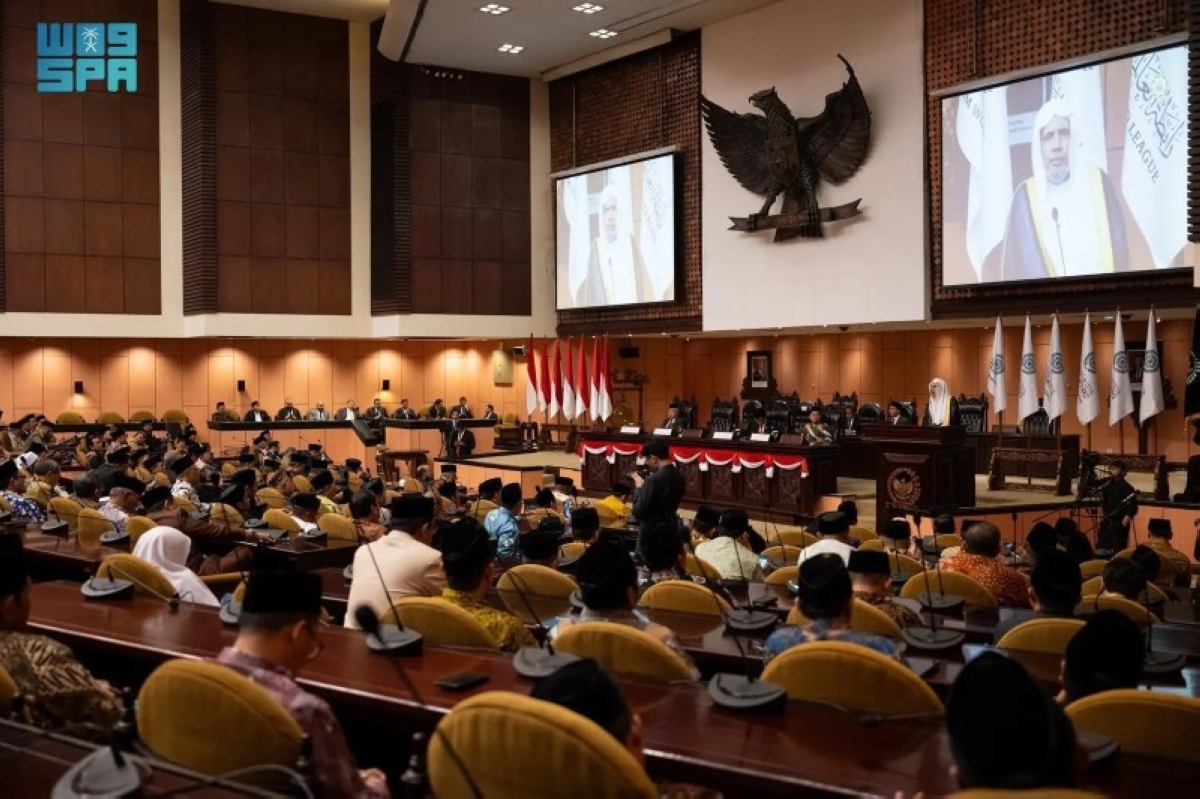

Jakarta – A high-level meeting between Indonesian parliamentary leaders and Sheikh Mohammed Al-Issa, Secretary General of the Muslim World League (MWL), took place in Jakarta this week, focusing on interfaith dialogue and strengthening coexistence within diverse societies. The discussions, held at the Indonesian People’s Consultative Assembly building, underscored Indonesia’s role as a model for religious harmony and national unity. The visit signals continued efforts to foster collaboration between Indonesia and international Islamic organizations.
The meeting on [Date – inferred from news cycle, assume November 8, 2023] brought together Speaker of the Assembly Ahmad Muzani, deputy speakers, committee chairpersons, and prominent figures from Indonesia’s religious, governmental, and intellectual communities with Sheikh Al-Issa. The event highlighted the importance of shared values in navigating contemporary challenges and promoting global understanding. The MWL, headquartered in Mecca, is a significant international non-governmental Islamic organization.
Strengthening Interfaith Dialogue and Coexistence
Sheikh Al-Issa’s lecture centered on the common ground between Islamic principles and universal human values. He emphasized the potential for these shared values to build bridges across religious and ethnic divides. The lecture reportedly explored practical strategies for enhancing cooperation and peaceful coexistence in increasingly complex societies.
Indonesia’s Model of Religious Harmony
Sheikh Al-Issa specifically praised Indonesia’s approach to balancing religious identity with national unity. He noted the country’s success in maintaining social cohesion despite its significant religious and cultural diversity. This recognition is particularly noteworthy given Indonesia’s status as the world’s largest Muslim-majority nation.
Indonesia has long promoted the “Pancasila” state ideology, which emphasizes belief in one God, national unity, democracy, social justice, and the rule of law. According to analysts, this framework has been instrumental in fostering tolerance and preventing religious extremism. However, challenges remain in ensuring equal rights and opportunities for all religious groups.
Speaker Muzani responded by highlighting the resilience of Indonesian society in the face of adversity. He attributed this strength to the values instilled by the country’s religious leaders and scholars. Muzani also emphasized the importance of solidarity in overcoming national challenges, including natural disasters and economic hardship.
The meeting occurred amidst growing global concerns about rising religious intolerance and extremism. The MWL has been actively involved in initiatives aimed at countering these trends, promoting moderate Islamic thought, and fostering dialogue between different faith traditions. The organization’s work aligns with Indonesia’s own efforts to promote religious moderation and peaceful cooperation.
MWL’s International Mission and Indonesia’s Role
The Muslim World League’s international mission encompasses a wide range of activities, including promoting Islamic education, providing humanitarian aid, and facilitating interfaith dialogue. The organization works with governments, religious institutions, and civil society organizations around the world. Its influence extends to numerous Islamic communities globally.
Indonesia’s engagement with the MWL is part of a broader strategy to strengthen its role as a leader in the Muslim world. The country has been actively involved in international forums promoting interfaith understanding and conflict resolution. Additionally, Indonesia has sought to position itself as a voice for moderate Islam on the global stage.
The discussions also touched upon the importance of addressing the root causes of conflict and extremism. Participants reportedly agreed on the need for a multi-faceted approach that includes promoting education, economic development, and good governance. The role of religious leaders in promoting peace and reconciliation was also emphasized.
While the specific details of the agreements reached during the meeting remain undisclosed, the event signifies a deepening of ties between Indonesia and the MWL. This collaboration could lead to increased cooperation on a range of issues, including counter-terrorism, religious education, and humanitarian assistance. The visit also underscores Indonesia’s commitment to fostering a more inclusive and tolerant global society.
Looking ahead, the Indonesian government is expected to continue its dialogue with the MWL on areas of mutual interest. Further details regarding joint initiatives and collaborative projects are anticipated in the coming months. The long-term impact of this partnership will depend on the ability of both parties to translate their shared values into concrete actions and address the complex challenges facing the Muslim world and beyond. Monitoring the implementation of any resulting programs and assessing their effectiveness will be crucial in evaluating the success of this renewed engagement.