





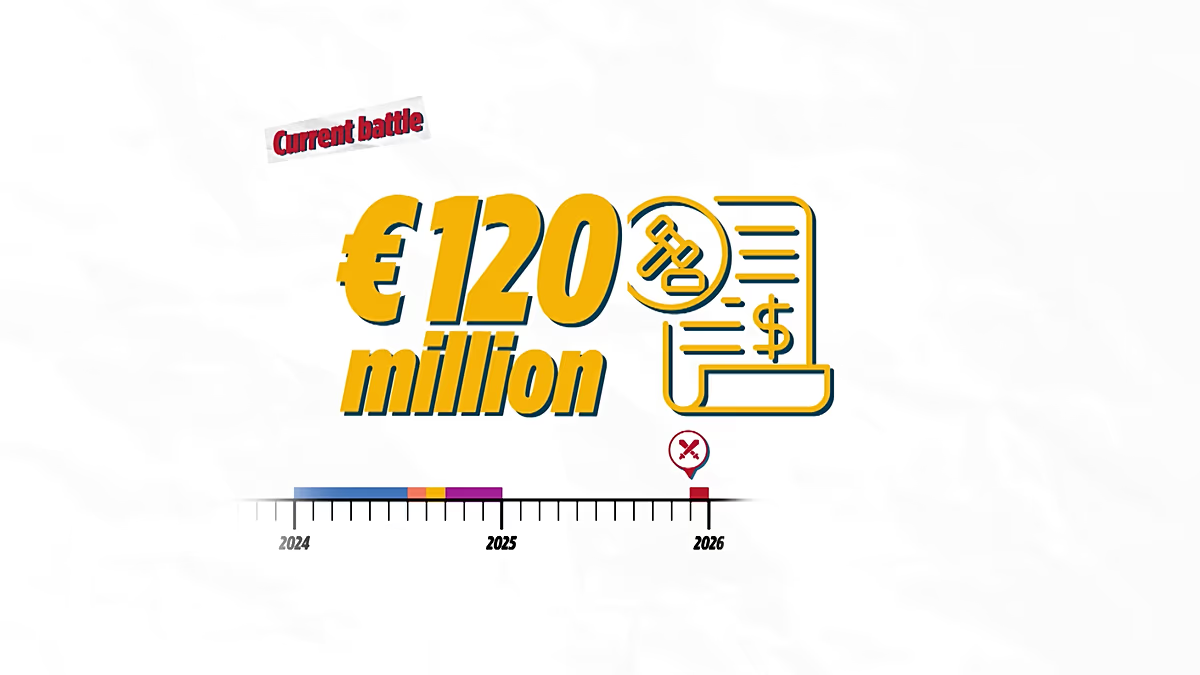

The ongoing dispute between Elon Musk and the European Union escalated this weekend, with Musk publicly calling for the “dismantling” of the EU. This latest clash follows a series of confrontations stemming from a €120 million fine levied against his social media platform, X, for alleged violations of the Digital Services Act. The core of the issue revolves around X’s compliance with EU regulations regarding transparency and consumer protection, but the conflict appears to be broadening into a larger ideological battle.
The recent outburst is not an isolated incident. Tensions have been building for months, beginning in July 2024 when Musk accused Brussels of offering an “illegal deal” to censor speech on X. This claim, however, was widely reported as a standard compliance procedure offered to all platforms operating within the EU. The European Commission subsequently issued a formal warning letter to X in August 2024, prompting a dismissive meme response from Musk.
Understanding the X Fine and EU Regulations
The substantial fine imposed on X isn’t directly related to censorship, but rather to concerns about consumer fraud. According to the European Commission, X failed to adequately address illegal content and disinformation on its platform. Specifically, the Commission cited issues with the sale of verification badges to unverified accounts – including bots – and a lack of transparency regarding advertising. Additionally, X was found to have restricted access to data for researchers studying the spread of disinformation.
The Digital Services Act (DSA), which came into effect in February 2024, aims to create a safer digital space for users in the EU. The DSA places significant obligations on very large online platforms (VLOPs) like X, requiring them to mitigate systemic risks, such as the spread of illegal content and manipulation of information. Failure to comply can result in hefty fines, potentially reaching up to 6% of a company’s global annual revenue.
A Timeline of Escalation
The conflict extends beyond regulatory compliance. In late 2023, Musk publicly encouraged German voters to support the far-right Alternative for Germany (AfD) party. He also criticized Italian judges for their handling of migration cases, suggesting they “need to go.” These interventions fueled accusations of political interference and further strained relations with EU officials.
Meanwhile, the relatively modest size of the €120 million fine – well below the maximum possible penalty – has prompted speculation about the EU’s motivations. Some analysts suggest the Commission may be seeking to send a strong signal about the importance of compliance with the DSA, rather than simply maximizing financial penalties. The EU is also facing increasing scrutiny over its handling of large tech companies and their influence on public discourse.
The Broader Implications of the Dispute
This ongoing battle raises important questions about the power of social media platforms and their responsibilities in a democratic society. The EU’s assertive stance reflects a growing global trend towards greater regulation of the tech industry. However, Musk’s vocal opposition highlights the challenges of enforcing these regulations and the potential for conflict between tech companies and governments.
The situation also touches on the broader debate surrounding free speech and content moderation. Musk has consistently positioned himself as a champion of “free speech absolutism,” arguing against any form of content restriction. This philosophy clashes with the EU’s emphasis on protecting users from harmful content and ensuring a safe online environment. The concept of online censorship is a complex one, with differing interpretations across jurisdictions.
Looking ahead, the dispute between Musk and the EU is likely to continue. X has indicated its intention to appeal the fine, and Musk has shown no signs of backing down from his criticism of the EU. The outcome of this conflict could have significant implications for the future of digital regulation and the relationship between tech companies and governments worldwide. Observers should watch for further legal challenges and potential legislative responses from the EU.