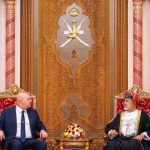

Doha, Qatar – A significant leadership change has occurred within Qatar’s municipal administration. His Highness The Amir Sheikh Tamim bin Hamad Al-Thani issued Decree No. 110 of 2025, officially appointing HE Ali bin Mohammed bin Ali Al Ali as the new Undersecretary of the Ministry of Municipality. The decree was enacted immediately upon issuance and will be formally documented in the Official Gazette.
The appointment, announced Tuesday, fills a key administrative role responsible for the implementation of municipal policies and projects across Qatar. This change comes as Qatar continues to invest heavily in infrastructure development and urban planning, particularly in preparation for future international events and in line with the country’s National Vision 2030. The Ministry of Municipality oversees a broad range of services, including urban planning, building permits, and public parks.
New Leadership for Qatar’s Ministry of Municipality
HE Ali bin Mohammed bin Ali Al Ali brings a wealth of experience to the position of Undersecretary. While details regarding his previous roles are currently limited, the appointment signals a continued focus on efficient and effective municipal governance. The Undersecretary is a crucial link between the Minister and the various departments within the Ministry, ensuring smooth operations and policy execution.
Role of the Undersecretary
The Undersecretary’s responsibilities encompass a wide spectrum of municipal affairs. These include overseeing the development and implementation of urban plans, managing public spaces, and ensuring compliance with building regulations. Additionally, the role involves coordinating with other government entities on projects impacting municipal areas.
This appointment occurs within a period of substantial growth and transformation for Qatar. The nation is actively pursuing ambitious development goals, including expanding its infrastructure to accommodate a growing population and diversifying its economy. According to reports from the Planning and Statistics Authority, Qatar’s population has been steadily increasing, necessitating continued investment in municipal services.
However, rapid development also presents challenges. Maintaining sustainable urban growth, preserving cultural heritage, and addressing environmental concerns are key priorities for the Ministry of Municipality. The new Undersecretary will likely play a central role in navigating these complexities and ensuring that development aligns with Qatar’s long-term vision. Effective urban planning is paramount to achieving these goals.
Meanwhile, the Ministry of Municipality has been actively engaged in several major projects, including the development of new residential areas and the expansion of public transportation networks. These initiatives aim to improve the quality of life for residents and enhance the country’s overall competitiveness. The Ministry also focuses on infrastructure development and environmental sustainability.
In contrast to previous administrative structures, the decree emphasizes a streamlined approach to municipal governance. This suggests a desire for greater efficiency and accountability within the Ministry. The appointment of a dedicated Undersecretary is intended to facilitate quicker decision-making and more effective implementation of policies.
The Ministry of Municipality has also been increasingly focused on leveraging technology to improve its services. Initiatives such as online building permit applications and digital mapping systems are aimed at enhancing transparency and convenience for citizens. This digital transformation is expected to continue under the new leadership, potentially incorporating more smart city technologies.
Looking ahead, the next step involves the formal handover of responsibilities from any previous acting Undersecretary. The Ministry is expected to announce further details regarding the new Undersecretary’s priorities and initiatives in the coming weeks. The success of these efforts will depend on effective collaboration between the Ministry, other government agencies, and the private sector. Monitoring the Ministry’s progress in implementing its strategic plans will be crucial in assessing the impact of this leadership change.