






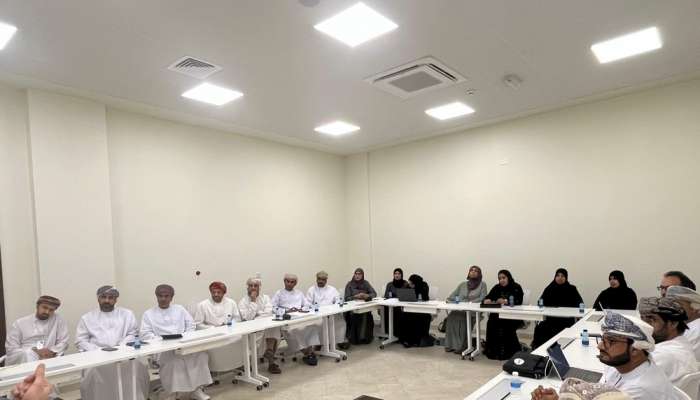

The Sultanate of Oman is taking significant strides in bolstering its child protection system, with recent collaborations between the Ministry of Social Development and the United Nations Children’s Fund (UNICEF) paving the way for a more efficient and responsive network of support. These efforts, culminating in a recent workshop in December, focus on leveraging digital tools to streamline referral pathways and enhance the overall quality of care for vulnerable children. This initiative underscores Oman’s commitment to safeguarding its youth and aligns with the ambitious goals of Oman Vision 2040.
Strengthening Child Protection Through Digital Transformation
Recognizing the need for a more integrated and agile approach to child welfare, the Ministry of Social Development has partnered with UNICEF to modernize its child protection system. The core of this modernization lies in automating inter-sectoral referral pathways. Currently, navigating the system to connect a child in need with the appropriate services can be complex and time-consuming. Automation promises to dramatically reduce these delays and ensure more coordinated support.
A Series of Recent Achievements
The December workshop wasn’t an isolated event, but rather a crucial step in a series of advancements made throughout the year. In June, the Ministry and UNICEF jointly launched an updated version of the comprehensive Child Protection Manual, providing a vital resource for professionals working with children. This was followed in September by a nationwide Training of Trainers (ToT) program, equipping key personnel with the knowledge and skills to implement best practices in child protection. October saw the continuation of this training through virtual sessions, broadening the reach and ensuring consistent understanding of the updated guidelines. These initiatives demonstrate a sustained and proactive commitment to improving child welfare across the Sultanate.
The December Workshop: A Deep Dive into System Enhancement
The three-day workshop in December brought together experts from UNICEF and representatives from various government agencies involved in child protection. The focus was on a detailed review of existing workflows, pinpointing areas where improvements could be made, and exploring the potential of digital solutions. Bilateral meetings allowed for focused discussions on specific challenges and opportunities within each agency, fostering a collaborative environment for innovation.
The workshop wasn’t just about identifying problems; it was about co-creating solutions. Participants worked together to envision a future child protection landscape powered by technology, one that prioritizes speed, efficiency, and, most importantly, the well-being of children. Discussions centered around the design and implementation of a digital platform that would facilitate seamless information sharing and coordinated action between different sectors.
Key Stakeholder Perspectives
Sayyida Maani Abdullah Al Busaidi, Director General of Family Development at the Ministry of Social Development, emphasized the Ministry’s dedication to continuous improvement. “The Ministry of Social Development continuously seeks to develop the child protection system in the Sultanate of Oman and enhance referral and case management systems to keep pace with modern changes and align with the aspirations of Oman Vision 2040,” she stated. She highlighted the importance of the automated referral system as a “qualitative step” that will accelerate response times and provide more effective support to children in need.
Sumaira Chowdhury, UNICEF Representative in the Sultanate of Oman, echoed this sentiment, praising Oman’s leadership in prioritizing child welfare. “The Sultanate of Oman continues to demonstrate clear leadership in developing systems that support child protection,” she noted. She further emphasized that the progress towards a digital referral system is a “pivotal step” that will strengthen cross-sectoral case management, and UNICEF is proud to support these efforts as part of Oman Vision 2040’s child-related targets.
Looking Ahead: An Action Plan for a Digital Future
The collaborative discussions and insights generated during the workshop will now be translated into a concrete, time-bound action plan. This plan will outline the steps necessary to develop and implement the digital platform, ensuring a smooth transition and maximizing its impact. A key focus will be on enhancing integration between the various agencies involved in child protection, breaking down silos and fostering a more unified approach. Improved case management processes will also be a central component of the plan, allowing professionals to track and manage cases more effectively.
This initiative is deeply rooted in Oman’s broader commitment to preventing abuse, promoting child well-being, and ensuring that every child has access to the protection and support they deserve. The move towards automation represents a significant investment in the future of Oman’s children, demonstrating a proactive and forward-thinking approach to safeguarding their rights and opportunities. Furthermore, the focus on digital solutions aligns with Oman’s national agenda for technological advancement and economic diversification.
The Importance of Continued Collaboration
The success of this ambitious project hinges on continued collaboration between the Ministry of Social Development, UNICEF, and all relevant stakeholders. Regular communication, knowledge sharing, and ongoing training will be essential to ensure that the digital platform is effectively utilized and that the benefits are felt by the children who need them most. By working together, Oman can create a truly world-class child protection system that prioritizes the safety, well-being, and future of its youngest citizens. We encourage those interested in learning more about Oman Vision 2040 and its commitment to children to explore the official government resources and UNICEF’s ongoing work in the region.