
Kyiv continues its diplomatic push for international support as pressure mounts from the United States to consider territorial concessions to Russia. Ukrainian President Volodymyr Zelenskyy recently concluded a series of meetings in London with UK Prime Minister Rishi Sunak, as well as the leaders of Germany and France, before travelling to Brussels for discussions with NATO Secretary General Mark Rutte and European Commission President Ursula von der Leyen. He is now in Rome, continuing to plead his nation’s case for aid and security assurances.
The flurry of diplomatic activity comes amid reports that the US is urging Ukraine to prepare for potential negotiations involving giving up territory, a suggestion Kyiv has publicly rejected. These developments are being closely followed within the European Union, impacting discussions on long-term Ukraine support and broader geopolitical strategy. The EU is also occupied with internal economic reforms and migration policy adjustments, as evidenced by recent high-level meetings.
EU Economic Growth and Ukraine Support
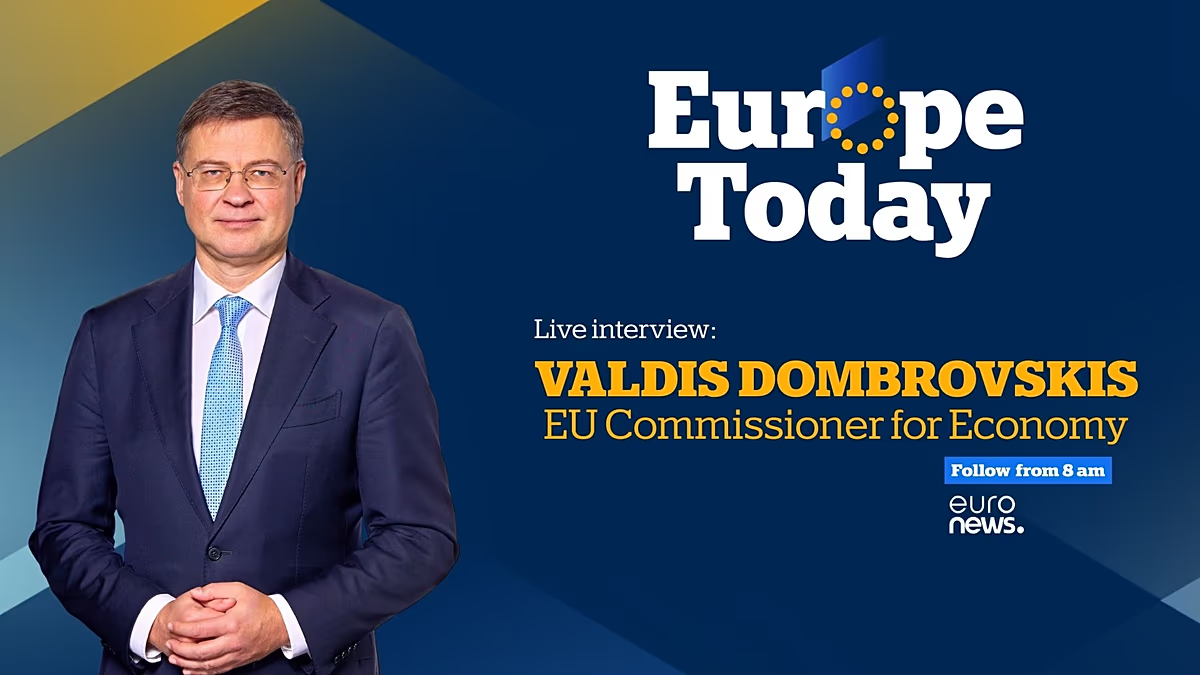
EU Economy Commissioner Valdis Dombrovskis is currently focused on bolstering economic growth within the bloc. This task is becoming increasingly intertwined with the ongoing conflict in Ukraine. The war has caused significant disruption to energy markets and supply chains, factors impacting the EU’s economic outlook.
Dombrovskis, a Latvian politician with extensive experience in governing, is tasked with navigating these challenges. He is overseeing initiatives aimed at attracting investment, increasing competitiveness, and ensuring a sustainable economic recovery. The economic consequences of sustained support for Ukraine are also a key consideration in his role.
Migration Deal Reached
Meanwhile, EU member states reached an agreement on a new pact regarding migration management. The revised policies aim to streamline asylum procedures, reinforce border controls, and establish a more equitable distribution of responsibility among member states. This agreement, finalized after years of debate, seeks to address the complex challenges of irregular migration to Europe.
According to reports, the new rules include mandatory screening of asylum seekers and a faster return process for those whose applications are rejected. The deal also contains provisions for solidarity, aiming to relieve pressure on frontline countries like Italy and Greece. For a deeper understanding of European migration policy, resources are available on the European Commission’s website: European Commission – Migration and Asylum.
Czechia Swears In New Prime Minister
Shifting focus northward, Czechia has a new head of government. Andrej Babiš was sworn in as Prime Minister today following his party’s victory in the October elections. This marks his second term in the role, succeeding a centre-right government in the country of 10 million.
Babiš’s return to power promises a shift in Czech political direction. His political platform previously centered on populist measures and criticisms of the established political order. The composition of his new coalition government and its policy priorities will be closely watched across the EU, as Czechia holds the rotating presidency of the Council of the European Union in the second half of 2024.
This change in leadership comes after a period of political instability in the nation, fueled by concerns over the rising cost of living and divisions over European integration. Political analysts are predicting a more nationalistic stance from the Czech Republic under Babiš’s leadership.
The meetings surrounding Ukraine and the newly formed government in Czechia both add complexities to the ongoing landscape of European politics and showcases the shifting priorities of its member states.
As the situation in Ukraine remains critical, continued diplomatic engagement and financial support will be vital. The Czech Prime Minister’s approach could also significantly impact EU policy in the coming months. Tune in tomorrow to “Europe Today” for further analysis and updates on these developing stories and more.