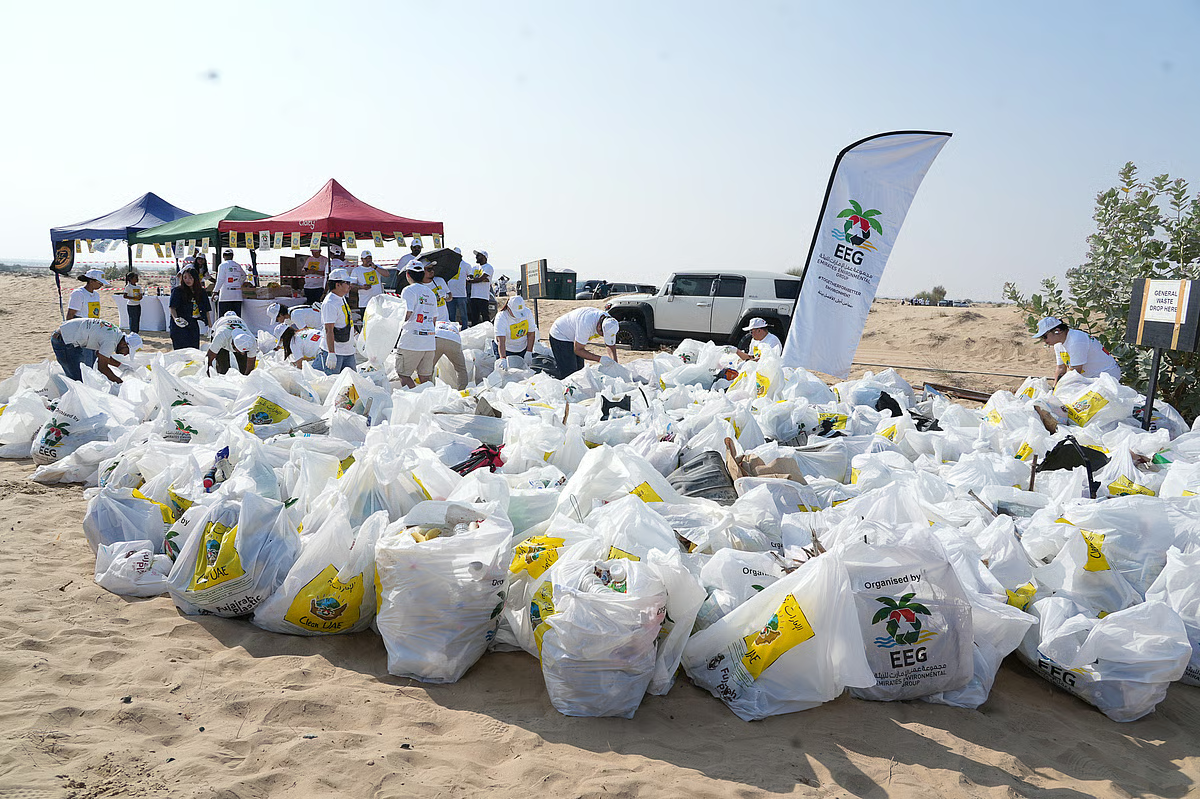

A large-scale community cleanup initiative spearheaded by Emirates Environmental Group (EEG) resulted in the collection of over 7,000 kilograms of waste across the United Arab Emirates on Saturday. The event focused on responsible waste management and recycling, gathering significant amounts of materials diverted from landfills. Organizers reported a total of 5,570 kg of general waste, alongside substantial quantities of recyclable items.
The cleanup, which took place across various locations within the UAE, saw volunteers collect 1,000 kg of paper, 500 kg of scrap metal, 500 kg of glass, 350 kg of plastic, and 50 kg of aluminum cans. All collected materials were subsequently delivered to local recycling facilities for processing. The EEG also emphasized its commitment to sustainability by providing campaign resources made from eco-friendly materials.
The Growing Importance of Waste Management in the UAE
The UAE faces increasing pressure to enhance its waste management practices due to rapid population growth and economic development. According to the Ministry of Climate Change and Environment, the UAE generates millions of tonnes of waste annually, a figure that is projected to rise. Effective recycling programs and community initiatives such as this one are critical to mitigating the environmental impact.
The country has set ambitious targets for waste diversion. These include increasing the rate of recycling to 75% by 2030, as outlined in the UAE Vision 2030. This requires a multi-faceted approach combining government regulations, private sector investment, and public awareness campaigns.
Mobilizing Volunteers for Environmental Action
The success of the EEG campaign hinged on the participation of numerous volunteers from diverse backgrounds. These included corporate employees, students, and individual residents, all unified by a shared commitment to environmental stewardship. EEG has a long-standing history of organizing similar events, fostering a culture of environmental awareness within the UAE.
However, reliance on volunteer efforts presents challenges. Maintaining consistent participation requires sustained engagement and logistical support for volunteers. Additionally, effective waste segregation at the source – before collection – is vital to maximizing the value of recyclable materials.
Focus on Sustainable Campaign Materials
The EEG opted to provide volunteers with sustainably designed cotton t-shirts and biodegradable bags, demonstrating a commitment to reducing the environmental footprint of the cleanup itself. This aligns with broader goals of minimizing plastic pollution and encouraging the use of alternatives. Traditional campaign materials, often composed of single-use plastics, can contribute significantly to waste generation.
The adoption of biodegradable bags, while a positive step, isn’t without its complexities. Proper composting infrastructure is required to ensure these bags decompose effectively, and the report indicates that access to such infrastructure varies across the UAE. This highlights the need for investment in comprehensive waste processing systems.
Recycling Infrastructure and Local Partnerships
The efficient processing of the 7,000+ kilograms of collected waste was made possible by strong partnerships with local recycling factories. These facilities play a crucial role in transforming discarded materials into valuable resources. These partnerships help ensure that the efforts of volunteers translate into tangible environmental benefits.
In contrast to the increasing amount of segregated waste, there are still limitations in the UAE’s recyclable processing capacity. Investment in modern recycling technologies and expansion of existing facilities are essential to meeting future demand. Without this expansion, even widespread collection programs risk bottlenecks and ultimately landfilling.
The types of materials collected underscore the potential for resource recovery. Paper, scrap metal, glass, and aluminum are all highly recyclable commodities with established markets. Effective resource recovery contributes to a circular economy model, reducing reliance on virgin materials and minimizing environmental impacts. Expanding the range of materials accepted for recycling is another area for development.
While the focus of this particular initiative was on common recyclables, the issue of electronic waste (e-waste) is of growing concern in the UAE. E-waste contains hazardous materials and requires specialized processing. Separate collection programs for e-waste are being implemented, but more robust systems are needed.
The EEG plans to assess the data collected during this campaign to refine future cleanup efforts and identify areas where greater public education is required. They aim to publish a comprehensive report detailing the results and insights gained from the event within the next quarter. Officials will also be monitoring the ongoing expansion of recycling facilities and the implementation of new waste management policies announced by the government earlier this year.
The long-term success of waste management initiatives in the UAE will depend on continued collaboration between government, private sector, and community organizations. Further investment in infrastructure, coupled with sustained public awareness campaigns, will be crucial to achieving the country’s ambitious recycling targets and fostering a more sustainable future.