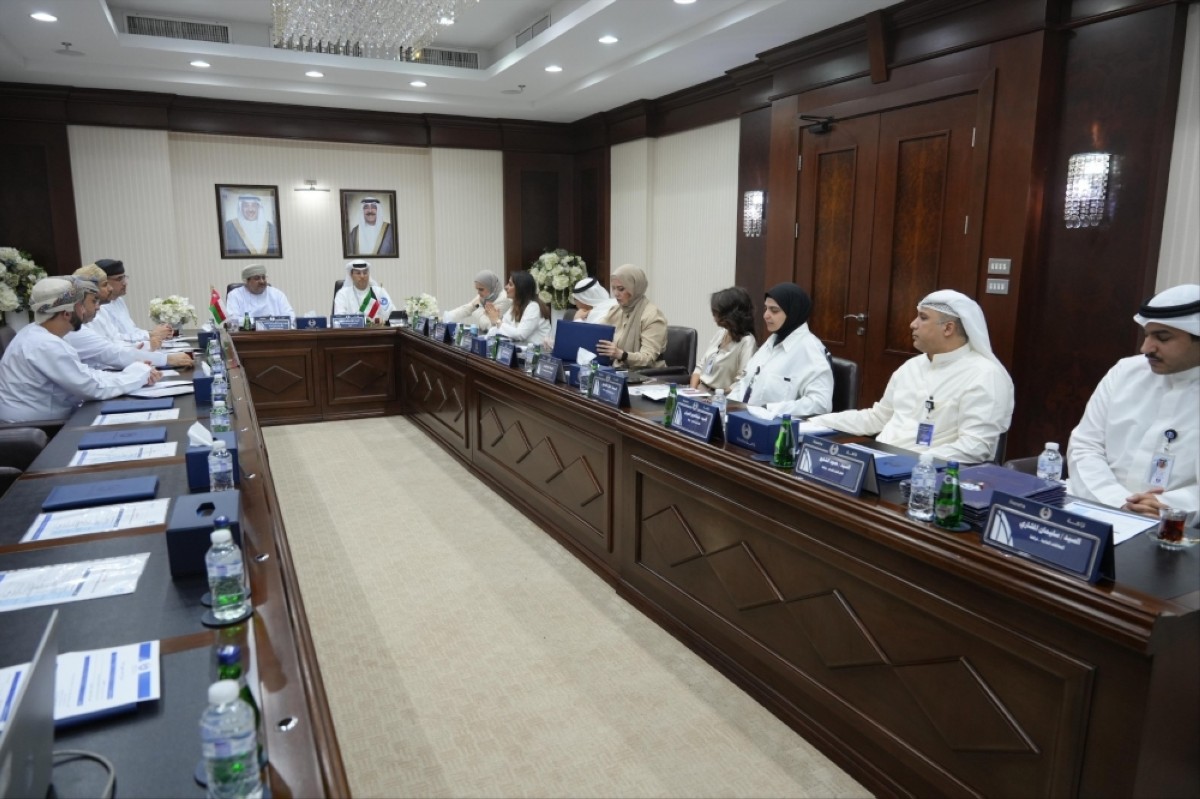

Kuwait is actively strengthening its position as a regional leader in governance and transparency. This commitment was highlighted on Sunday with the visit of a delegation from Oman’s State Financial and Administrative Audit Authority to the Kuwait Anti-Corruption Authority (Nazaha). The Omani delegation’s purpose is to learn from Kuwait’s established framework for corruption prevention and bolster their own national efforts. This exchange underscores a growing regional focus on ethical conduct and accountability within government and public institutions.
Kuwait’s Nazaha Hosts Omani Delegation to Share Anti-Corruption Strategies
The visit, reported by the Kuwait News Agency (KUNA), signifies a deepening collaboration between Kuwait and Oman in the crucial area of combating financial impropriety. Nazaha, established to promote integrity and transparency, is sharing its expertise with Oman’s audit authority, offering insights into its legal framework, operational procedures, and successful strategies. This isn’t simply a knowledge transfer; it’s a demonstration of Kuwait’s dedication to regional stability and good governance.
Focusing on Laws and Regulations
A core component of the Omani delegation’s visit centers on a detailed examination of Nazaha’s laws and regulations. Understanding the legal basis for Kuwait’s anti-corruption efforts is vital for Oman as they refine their own legislative approach. This includes reviewing the scope of Nazaha’s authority, the penalties for corrupt practices, and the mechanisms for protecting whistleblowers.
Examining Nazaha’s Operational Framework
Beyond the legal aspects, the delegation received a comprehensive briefing on Nazaha’s day-to-day operations. This included a look at how the authority coordinates with other relevant Kuwaiti government bodies – such as the Ministry of Justice and the Central Bank of Kuwait – to investigate and prosecute corruption cases. Effective inter-agency collaboration is a cornerstone of any successful anti-corruption strategy.
The briefing also covered Nazaha’s mechanisms for financial disclosure, a critical tool for identifying potential conflicts of interest and illicit enrichment. These systems require public officials to declare their assets and income, providing a baseline for monitoring and investigation.
The Importance of Financial Disclosure and Proactive Measures
Nazaha’s approach isn’t solely reactive, focusing on investigating alleged wrongdoing. A significant portion of their work involves proactive measures aimed at preventing corruption from occurring in the first place. This includes public awareness campaigns, ethics training for government employees, and the implementation of robust internal controls within public institutions.
This preventative aspect is particularly important. It fosters a culture of integrity and discourages corrupt behavior by making it more difficult to engage in and easier to detect. Furthermore, it builds public trust in government, which is essential for long-term stability and economic development. Good governance relies heavily on these preventative measures.
Regional Collaboration in Combating Corruption
The exchange between Kuwait and Oman is part of a broader trend of increased regional cooperation in the fight against corruption. Several Gulf Cooperation Council (GCC) countries are actively working to strengthen their anti-corruption frameworks and share best practices. This collaborative approach recognizes that corruption is a transnational problem that requires a coordinated response.
Additionally, international organizations like the United Nations and the World Bank are providing technical assistance and support to countries in the region seeking to improve their governance and transparency. This external support complements the regional efforts and helps to ensure that anti-corruption initiatives are aligned with international standards. The focus on transparency initiatives is growing across the region.
Looking Ahead: Strengthening Integrity in Kuwait and Beyond
The visit of the Omani delegation to Nazaha represents a positive step towards strengthening integrity and combating corruption in the region. By sharing its experience and expertise, Kuwait is playing a vital role in promoting good governance and fostering a more transparent and accountable public sector.
This commitment to corruption prevention is not just about upholding ethical standards; it’s about ensuring sustainable economic development, attracting foreign investment, and building a more prosperous future for all citizens. The ongoing collaboration between Kuwait and Oman, and other regional partners, will undoubtedly contribute to a more ethical and transparent future for the Gulf region.
To learn more about Kuwait’s efforts in promoting transparency and accountability, visit the Nazaha website [insert hypothetical Nazaha website link here]. Consider exploring resources from the United Nations Office on Drugs and Crime (UNODC) for further insights into global anti-corruption initiatives.