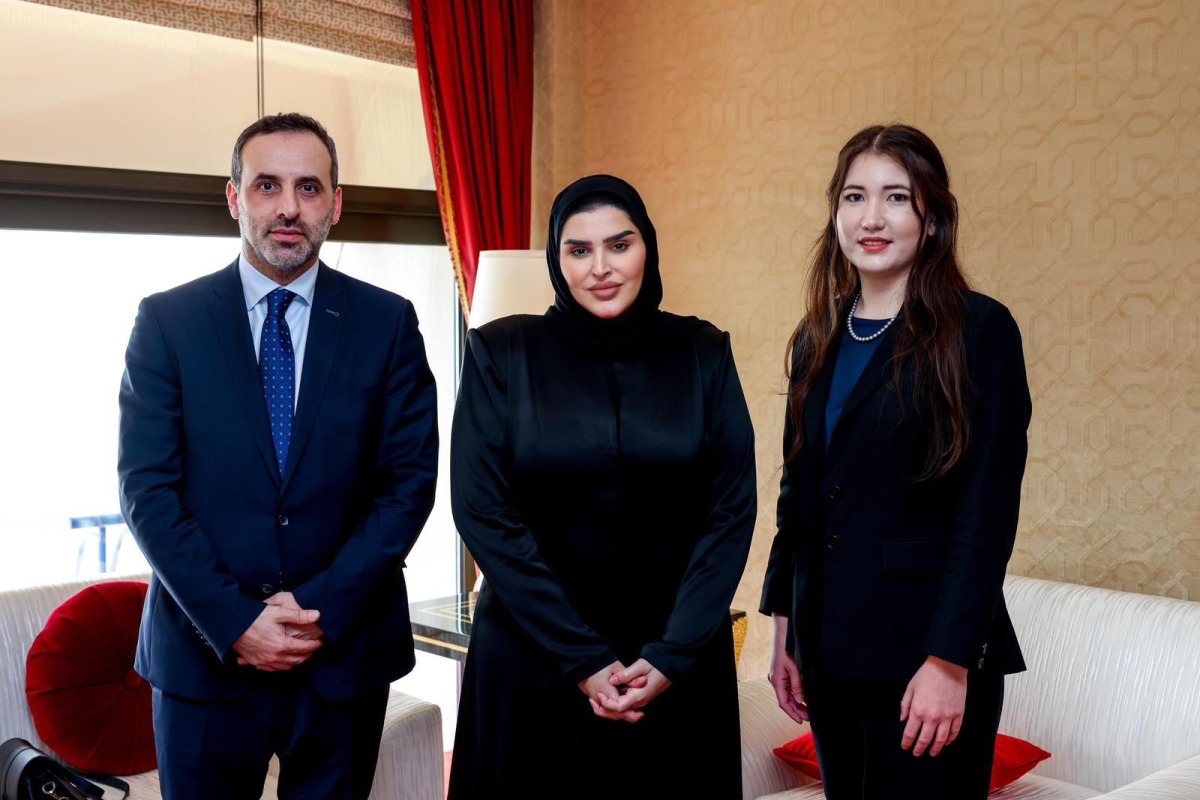

Doha, Qatar – Qatar’s Minister of State for International Cooperation, HE Maryam bint Ali bin Nasser Al Misnad, convened with a delegation of Swedish parliamentarians on Monday, discussing strengthened international cooperation and shared humanitarian objectives. The meeting took place on the sidelines of the 23rd Doha Forum, a significant platform for global dialogue on policy challenges. Discussions centered on bolstering ties between Qatar and Sweden, particularly in development and humanitarian aid initiatives.
The meeting, held in Doha, focused on collaborative efforts to address pressing global issues. Both parties emphasized the importance of coordinated responses to conflicts and disasters worldwide. This engagement underscores Qatar’s commitment to multilateralism and its ongoing efforts to forge partnerships with nations sharing similar values, according to a statement released by the Ministry of State for International Cooperation.
Qatar and Sweden Explore Enhanced International Cooperation
The discussions between Minister Al Misnad and the Swedish delegation highlighted existing cooperation and identified potential areas for expansion. These areas include joint projects focused on sustainable development goals and increased support for humanitarian organizations operating in crisis zones. The meeting also served as an opportunity to exchange perspectives on regional and international developments impacting humanitarian efforts.
Focus on Humanitarian Challenges
A key topic of conversation was the escalating number of complex humanitarian emergencies globally. The officials acknowledged the increasing strain on resources and the need for innovative approaches to deliver aid effectively. They explored ways to improve coordination among international actors and ensure assistance reaches those most in need, particularly vulnerable populations affected by conflict and climate change.
Qatar has consistently been a prominent donor in international humanitarian assistance, providing aid to numerous countries facing crises. The country’s approach often involves long-term development programs alongside immediate relief efforts. Sweden, similarly, is a significant contributor to global development and humanitarian aid, prioritizing human rights and gender equality in its initiatives.
Minister Al Misnad outlined Qatar’s national priorities in the realm of international development, emphasizing the country’s dedication to achieving the United Nations’ Sustainable Development Goals. She specifically noted Qatar’s focus on education, healthcare, and economic empowerment as crucial components of its foreign aid strategy. The ministry said that Qatar views these investments as essential for fostering long-term stability and resilience in partner countries.
The importance of strengthening parliamentary ties was also underscored. Both sides agreed that closer collaboration between their respective legislative bodies could play a vital role in shaping policies that support humanitarian work and international partnerships. This parliamentary exchange could facilitate a deeper understanding of each country’s priorities and contribute to more effective joint initiatives.
Additionally, the meeting touched upon the broader geopolitical landscape and its implications for international cooperation. The officials exchanged views on ongoing conflicts and the challenges of maintaining peace and security in a rapidly changing world. They reaffirmed their commitment to diplomatic solutions and the principles of international law.
Meanwhile, the 23rd Doha Forum, which runs through Wednesday, continues to host discussions on a wide range of global issues, including climate change, food security, and economic inequality. The forum provides a platform for policymakers, academics, and civil society representatives to share ideas and forge partnerships to address these challenges.
In contrast to some recent diplomatic tensions in other areas, this meeting demonstrates a continued willingness from both Qatar and Sweden to collaborate on issues of mutual concern. This positive engagement could pave the way for future joint projects and a more robust partnership in the years to come.
Looking ahead, the outcomes of this meeting are expected to inform future bilateral discussions and potentially lead to the signing of new agreements on international aid. Further details regarding specific collaborative projects are anticipated in the coming months. The success of these initiatives will depend on continued political will and effective coordination between the two countries, as well as navigating the complexities of the global humanitarian system.
Source: The Peninsula Qatar
Doha Forum Official Website
Qatar’s Ministry of Foreign Affairs – International Cooperation