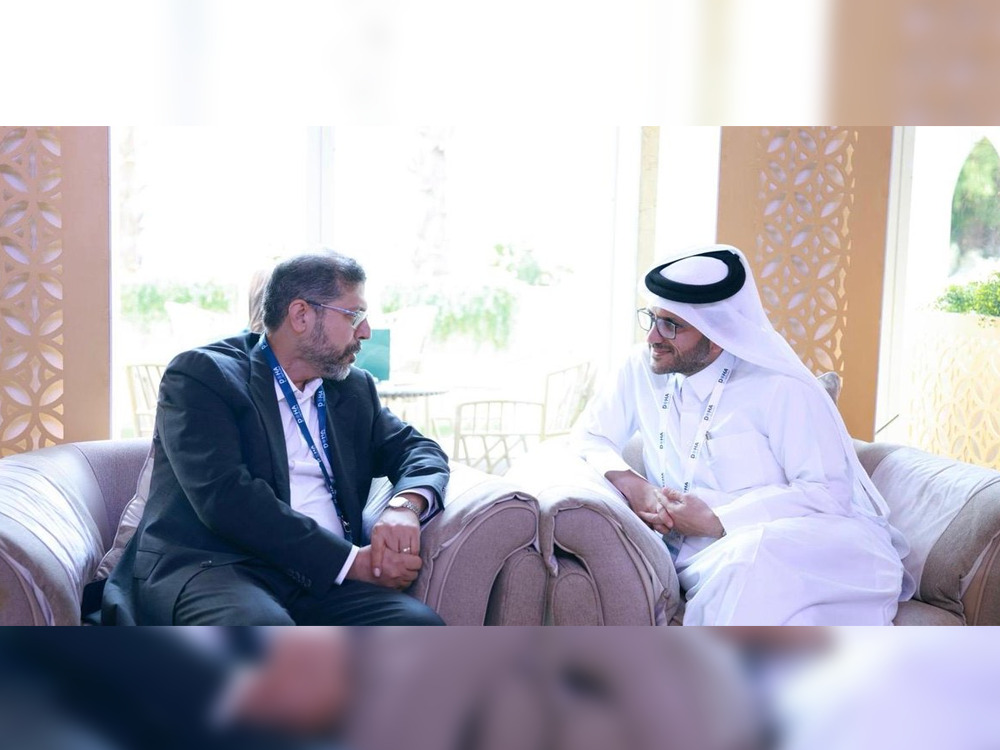

Doha, Qatar – Discussions aimed at strengthening bilateral ties and addressing pressing regional concerns took place Monday between Qatari and Iranian officials on the sidelines of the 23rd Doha Forum 2025. Dr. Majid bin Mohammed Al Ansari, Advisor to the Prime Minister and Official Spokesperson for the Ministry of Foreign Affairs of Qatar, met with Iran’s Deputy Minister of Foreign Affairs, Saeed Khatibzadeh. This Qatar-Iran relations meeting signals continued diplomatic efforts between the two nations.
The meeting, held in Doha, focused on existing cooperation and potential avenues for development, alongside a review of shared interests in the broader regional and international landscape. While specific details of the discussions haven’t been released, the encounter reflects an ongoing commitment to dialogue between Doha and Tehran, particularly amid complex geopolitical dynamics in the Middle East.
Strengthening Qatar-Iran Relations Through Dialogue
Qatar has historically maintained a pragmatic foreign policy, balancing relationships with various actors in the region, including both Iran and countries aligned with the United States. This approach has sometimes positioned Qatar as a mediator in regional disputes, and the current engagement with Iran appears to follow that pattern. According to sources familiar with the matter, the talks aimed to build trust and explore common ground.
Cooperation between Qatar and Iran has particularly been evident in areas such as energy and security. Qatar relies on Iranian gas supplies, and the two nations collaborate on maritime security in the Persian Gulf. These economic and security links provide a foundation for continued diplomatic engagement even when political disagreements arise.
Regional Issues on the Agenda
The agenda for the discussions likely included several significant regional issues. These are believed to involve ongoing negotiations regarding the Iran nuclear deal, officially known as the Joint Comprehensive Plan of Action (JCPOA), and broader stability efforts in the Gulf.
The conflict in Yemen was reportedly another key topic. Qatar and Iran both express support for finding a peaceful resolution to the conflict, although they may differ on the specifics of that resolution. The situation in Syria, marked by a long-running civil war and the presence of multiple international actors, also likely featured in the discussions.
The talks took place at a time of heightened tensions in the region following recent escalations involving Israel and Hamas. Qatar has played a crucial role in de-escalation efforts and securing humanitarian aid for Gaza, and it’s believed that these efforts were also a point of conversation during the meeting with the Iranian Deputy Foreign Minister. Discussions on diplomatic solutions likely took precedence.
However, the meeting wasn’t without underlying complexities. Despite Qatari efforts to foster dialogue, significant differences remain between Qatar and Iran’s regional allies. These divergences often complicate bilateral agreements and the pursuit of unified solutions to shared challenges.
Meanwhile, the United States maintains a cautious stance toward Iran and has expressed concerns about its nuclear program and regional activities. Qatar navigates this dynamic by maintaining close security ties with the U.S. while also engaging with Iran. This dual-track approach, while sometimes challenging, allows Qatar to pursue its national interests and contribute to regional stability.
The Qatari Ministry of Foreign Affairs has not released a detailed statement outlining specific outcomes or agreements reached during the meeting. Nevertheless, the fact that the discussion occurred suggests a willingness from both sides to continue exploring opportunities for cooperation. Further strengthening of ties could enhance regional security.
Looking ahead, analysts suggest further meetings between Qatari and Iranian officials are probable in the coming months. The success of these dialogues will depend on a range of factors, including the evolving geopolitical landscape and the willingness of both parties to compromise. The international community will be observing closely to see if these talks can contribute to a broader de-escalation of tensions and a more stable Middle East.