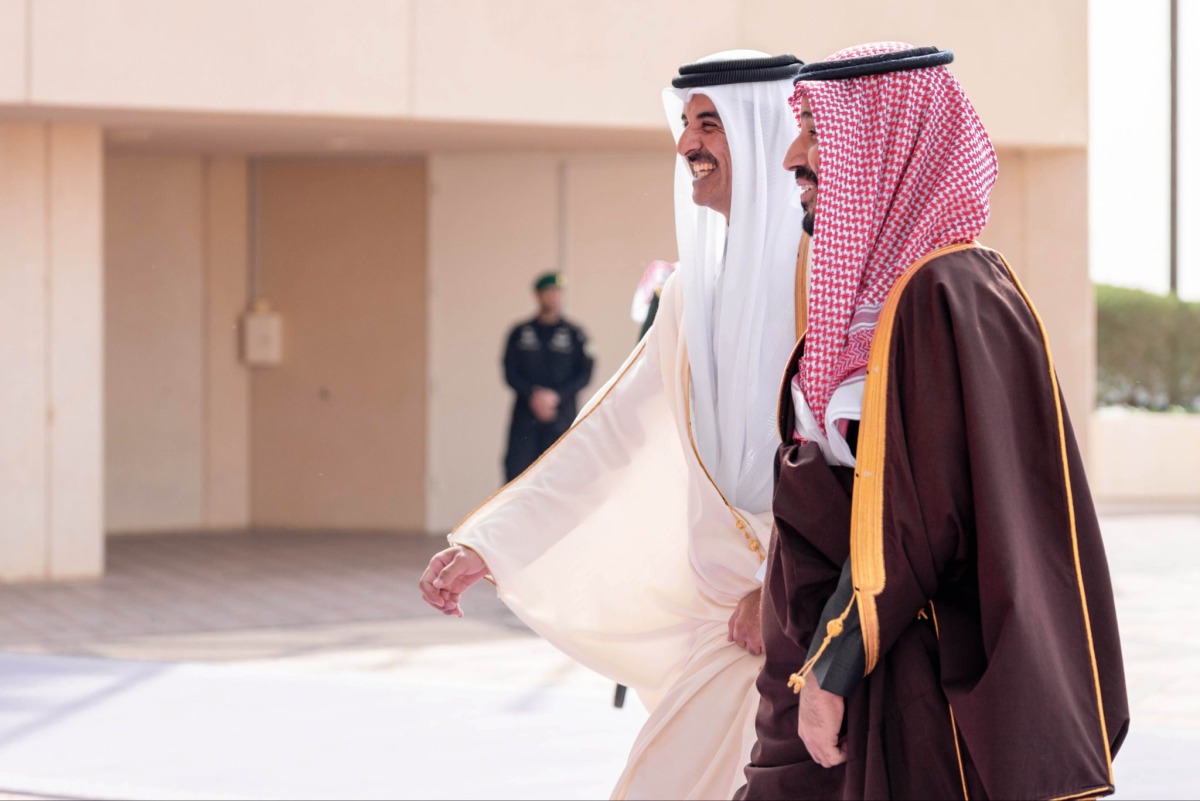

Doha, Qatar – His Highness Sheikh Tamim bin Hamad Al-Thani, the Amir of Qatar, highlighted the importance of the recent meeting of the Qatari-Saudi Coordination Council as a pivotal opportunity to strengthen bilateral relations and expand strategic cooperation between Qatar and Saudi Arabia. The meeting, which took place this week, signals a continued commitment to fostering closer ties between the two Gulf nations following a period of strained relations. This renewed focus on collaboration is expected to impact regional stability and economic development.
The Amir’s remarks, shared on his official X account, emphasized the significance of the council as a platform for reviewing and investing in the combined capabilities of both countries. Saudi Crown Prince Mohammed bin Salman also participated in the discussions, underscoring the high-level importance placed on this partnership. The meeting took place in Doha, Qatar, and focused on political, economic, and security cooperation.
Strengthening Qatar-Saudi Bilateral Relations
The Qatari-Saudi Coordination Council was initially established to deepen cooperation across key sectors and has since become a central mechanism for aligning policies and pursuing shared objectives. According to statements from both governments, the latest meeting centered on identifying new avenues for collaboration and building upon existing agreements. This includes potential joint ventures in energy, infrastructure, and investment.
Historical Context and Recent Developments
Relations between Qatar and Saudi Arabia experienced a significant downturn beginning in 2017, when Saudi Arabia, along with the United Arab Emirates, Bahrain, and Egypt, imposed a blockade on Qatar. The blockade, which lasted until 2021, involved the severance of diplomatic ties, the closure of airspace, and restrictions on land and sea travel.
However, a breakthrough occurred in January 2021 with the Al-Ula agreement, brokered by Kuwait, which led to the lifting of the blockade and the restoration of diplomatic relations. Since then, both countries have been working to rebuild trust and strengthen ties. The Coordination Council meetings represent a key component of this reconciliation process. Diplomatic ties have been steadily improving since the resolution of the dispute.
Areas of Focus for Increased Cooperation
The discussions reportedly covered a wide range of topics, including regional security challenges, economic diversification, and energy cooperation. Both nations are major players in the global energy market, and increased collaboration in this sector could have significant implications for global energy prices and supply.
Additionally, the council addressed potential joint investments in infrastructure projects, particularly those related to the 2030 FIFA World Cup in Saudi Arabia and ongoing development initiatives in Qatar. The promotion of regional stability was also a key theme, with both sides reaffirming their commitment to addressing common security concerns.
Meanwhile, economic diversification remains a priority for both Qatar and Saudi Arabia, as they seek to reduce their reliance on oil revenues. The council explored opportunities for collaboration in sectors such as tourism, technology, and finance.
In contrast to the previous period of strained relations, the current atmosphere is characterized by a willingness to engage in constructive dialogue and find common ground. This shift reflects a shared recognition of the benefits of closer cooperation and the importance of regional unity.
The Amir’s statement underscored the “strong ties of brotherhood and longstanding goodwill” between Doha and Riyadh, suggesting a commitment to building a more positive and productive relationship. This sentiment was echoed by Saudi officials, who emphasized the importance of a unified Gulf region.
Looking ahead, the next steps will likely involve the formation of working groups to develop concrete plans for implementing the agreements reached during the council meeting. While a specific timeline has not been announced, officials have indicated a desire to make tangible progress in the coming months. The continued success of the Qatari-Saudi Coordination Council will be a key indicator of the long-term health of bilateral relations and the overall stability of the region. Further developments regarding specific joint projects and policy alignments will be closely watched by regional and international observers.