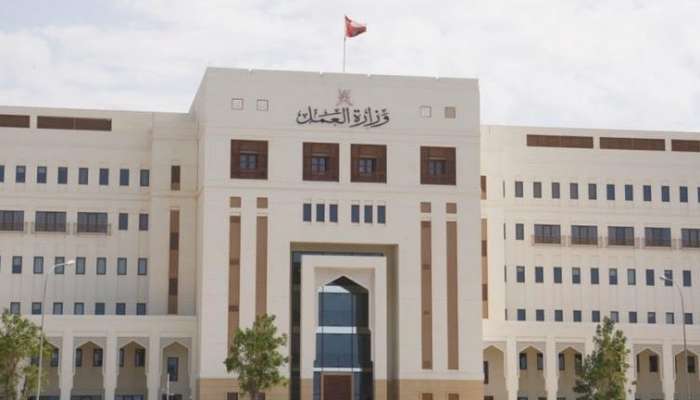

The Sultanate of Oman is taking significant steps to professionalize its energy and minerals sector, and a recent announcement from the Ministry of Labour clarifies the timeline for compliance. A professional license is now required for designated professions within this vital industry, and a grace period has been granted to ensure a smooth transition for both establishments and workers. This initiative aims to elevate workforce standards and streamline regulatory processes, impacting a key segment of Oman’s economy.
Understanding the New Professional License Requirements
Following a prior announcement, the Ministry of Labour has formalized the requirement for professionals in specific roles within the energy and minerals sector to obtain a professional practice license. This license will be issued through the Oman Energy Association, acting through its Sector Skills Unit for Energy and Minerals. The move is part of a broader national strategy to regulate the labour market, improve efficiency, and ensure a highly skilled workforce.
Which Professions are Affected?
While the specific list of professions requiring the license hasn’t been exhaustively detailed in the initial announcement, it’s understood to encompass a range of technical and specialized roles crucial to the energy and minerals industries. This includes, but isn’t limited to, engineers, geologists, technicians, and specialists involved in exploration, production, and processing. Further clarification on the exact job titles will likely be provided by the Oman Energy Association.
Grace Period Details: A Timeline for Compliance
Recognizing the need for establishments and workers to prepare for these changes, the Ministry of Labour has implemented a generous grace period. This period extends until June 1, 2026, providing ample time to obtain the necessary professional license. This is a crucial window for companies to proactively address the new requirements and avoid disruptions to their operations.
During this grace period, the Ministry has confirmed that work permits will continue to be issued and renewed for professions that ultimately require the license. This ensures business continuity while allowing individuals and organizations to navigate the licensing process. However, it’s vital to understand that this is a temporary measure.
Post-Deadline Implications
After June 1, 2026, the rules will change significantly. The Ministry of Labour has stated unequivocally that no work permits will be issued or renewed for the designated professions without a valid professional license from the Oman Energy Association. This firm deadline underscores the importance of timely action.
How to Obtain a Professional License
The process for obtaining a professional license will be managed by the Oman Energy Association’s Sector Skills Unit for Energy and Minerals. Details regarding the application process, required documentation, and associated fees are expected to be published on the Association’s website. It’s recommended that interested parties regularly check the Oman Energy Association website for updates and guidelines.
Establishments should begin identifying employees who will require the license and initiating the application process as soon as possible. This proactive approach will help avoid potential delays and ensure uninterrupted operations. Consider this a key component of your workforce planning strategy.
The Broader Impact: Labour Market Regulation and Skill Development
This initiative isn’t simply about introducing a new licensing requirement; it’s a strategic move to enhance the overall quality and competitiveness of Oman’s energy and minerals sector. By ensuring that professionals possess the necessary qualifications and skills, the Sultanate aims to attract investment, foster innovation, and drive sustainable growth. This also supports Oman’s Vision 2040 goals.
Additionally, the move aligns with global best practices in labour market regulation. Many countries have similar licensing requirements for professions that require specialized knowledge and skills, ensuring public safety and professional standards. This initiative will also likely encourage continuous professional development and upskilling within the sector, benefiting both workers and employers. Investing in skill development is crucial for long-term success.
Urgent Action Required for Establishments
The Ministry of Labour is strongly urging all establishments operating within the energy and minerals sector to prioritize the licensing process for both current employees and any new hires. Delaying action could result in significant disruptions to operations after the June 1, 2026, deadline. Proactive engagement with the Oman Energy Association is highly recommended.
Furthermore, companies should integrate the professional license requirement into their recruitment and onboarding procedures. Ensuring that all new hires possess or are eligible to obtain the necessary license will streamline the process and avoid future complications. This is a critical aspect of responsible human resource management.
In conclusion, the introduction of professional licensing for the energy and minerals sector in Oman represents a significant step towards a more regulated, efficient, and skilled workforce. The grace period until June 1, 2026, provides a valuable opportunity for establishments and workers to comply with the new requirements. Staying informed and taking proactive steps now will be essential for ensuring continued success in this vital industry. Visit the Oman Energy Association website for the latest updates and application details.