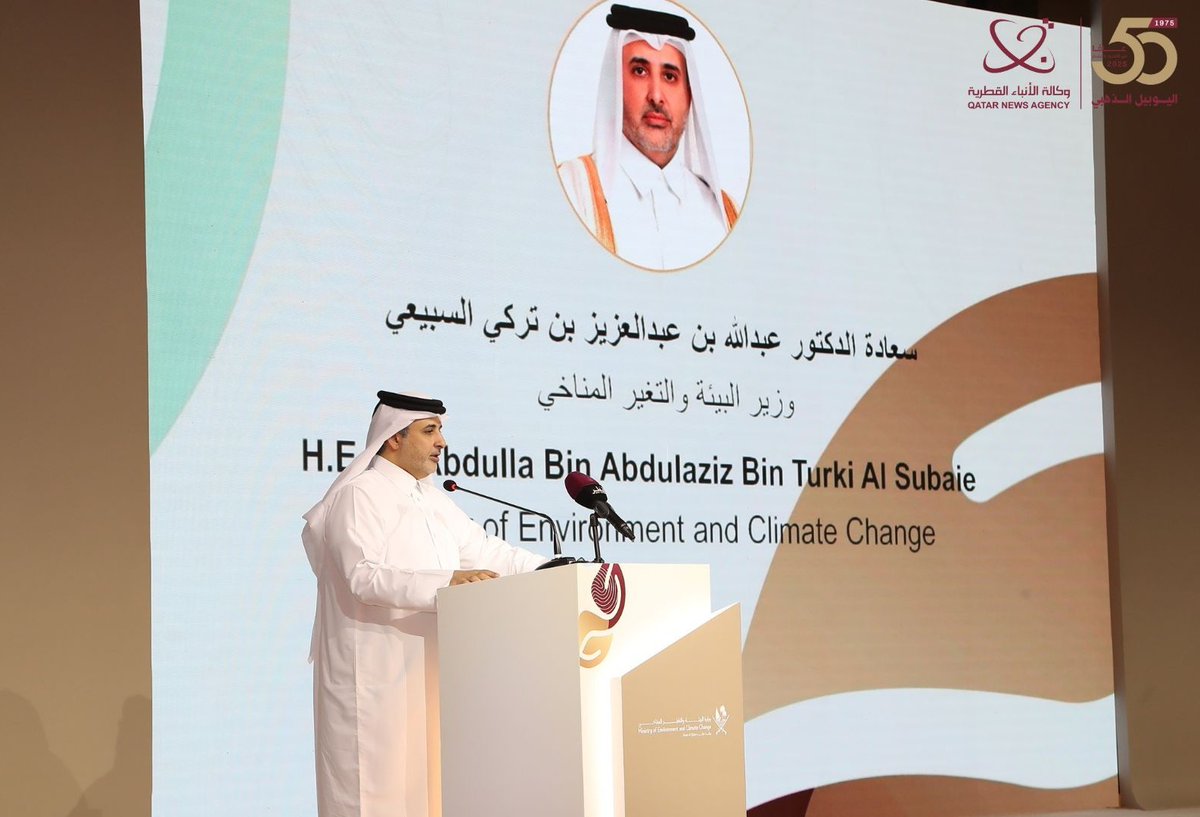

Qatar launched its National Adaptation Plan (NAP) on Monday, outlining a comprehensive strategy to bolster the nation’s resilience to the escalating impacts of climate change. The plan, unveiled by the Ministry of Environment and Climate Change, aims to safeguard vital resources and key economic sectors against both current and future climate risks while supporting long-term sustainable development goals. This initiative represents a significant step in the country’s commitment to environmental sustainability and proactive risk management.
Doha, the nation’s capital, will serve as the primary hub for coordinating the NAP’s implementation. According to the ministry, the plan’s development was deeply rooted in scientific assessments, technical studies, and broad consultations with government bodies, private sector representatives, academic institutions, and international organizations like the Global Green Growth Institute (GGGI). The NAP establishes a roadmap for Qatar to navigate the challenges posed by a changing global climate.
Strengthening Qatar’s Climate Change Adaptation Capabilities
The NAP focuses on six sectors identified as particularly vulnerable to climate change: water resources, agriculture and livestock, biodiversity, public health, energy infrastructure, and coastal areas. These areas are integral to Qatar’s economy and the wellbeing of its citizens. The plan acknowledges the unique vulnerabilities of a desert nation facing rising temperatures, potential sea-level increases, and altered precipitation patterns.
A key component of the plan is a detailed executive program encompassing specific measures, procedures, and projects designed to mitigate risks and enhance national preparedness. Priorities include advanced water management techniques, the promotion of sustainable agricultural practices, and the protection of Qatar’s delicate ecosystems. Upgrades to infrastructure to withstand extreme weather, and strengthening the health sector’s ability to respond to climate-related health challenges are also central.
Collaboration and a Scientific Approach
Minister of Environment and Climate Change, Dr. Abdullah bin Abdulaziz bin Turki Al Subaie, emphasized the NAP’s importance as a crucial step in preparing Qatar for the consequences of climate change and promoting sustainable development. He stated the plan is the result of extensive national collaboration involving diverse stakeholders, facilitated by the GGGI.
The preparation relied on a robust scientific methodology and a forward-looking strategic vision, according to His Excellency. This approach ensures that the plan addresses immediate needs while anticipating future challenges and incorporating the latest climate science. The GGGI further underscored the significance of the plan, highlighting its demonstration of Qatar’s commitment to building climate resilience.
The NAP outlines both medium-term targets – reaching completion by 2030 – and long-term goals extending to 2040. It aligns with the pillars of Qatar National Vision 2030 (QNV 2030), encompassing human, economic, social, and environmental dimensions. The initiative details 27 overarching measures, supported by 125 specific actions and approximately 280 individual projects, all geared toward bolstering the nation’s ability to cope with climate risks.
Dr. Al Subaie stressed that climate change adaptation isn’t solely an environmental issue, but also an opportunity to improve the quality of life for residents, conserve biodiversity, and foster innovation within the green growth sector. He encouraged public participation, emphasizing the role of individuals in achieving the plan’s objectives through everyday practices like conserving water and energy, minimizing waste, and preserving green spaces.
Ban Ki-moon, President of the Assembly and Chair of the Council of GGGI, praised Qatar’s launch of the NAP, characterizing it as a clear indication that developing climate resilience is a contemporary priority, not a deferrable ambition. He acknowledged the successful collaboration between GGGI and Qatar as a model for translating aspirational goals into practical outcomes.
Looking ahead, the Ministry of Environment and Climate Change is expected to begin the detailed implementation phase of the NAP, with ongoing monitoring and evaluation to track progress and adjust strategies as needed. The success of the plan will depend on continued cooperation between government, private, and civil society sectors, as well as ongoing investment in research and development related to climate resilience. Further updates regarding project timelines and initial results are anticipated in the coming months.