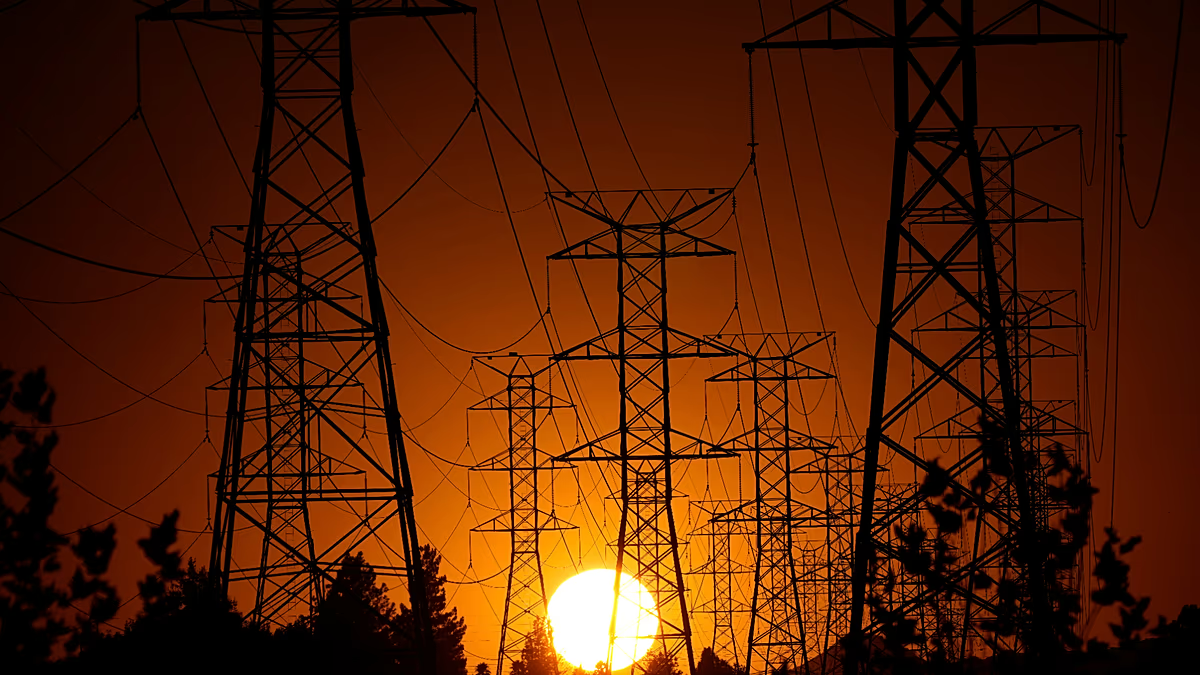

The European Commission is preparing to launch a substantial initiative, investing nearly €1.2 trillion, to overhaul the EU’s electric grid. This project aims to accelerate permitting processes for crucial infrastructure, including renewable energy projects and energy storage facilities, addressing a key bottleneck in the bloc’s transition to a sustainable energy system. The plan, detailed in a leaked document, signals a major push to modernize the network and ensure it can handle the increasing influx of renewable energy sources.
The current grid planning and permitting system has faced criticism for being fragmented and slow, hindering the rapid expansion needed to integrate renewable energy effectively. Renewable energy projects within the EU can currently take up to nine years to gain approval, leading to significant delays and increased costs, according to the document. This initiative seeks to streamline these processes and unlock the potential of clean energy across the continent.
Modernizing the Electric Grid: A €1.2 Trillion Investment
The Commission has identified eight key projects to strengthen existing infrastructure and secure necessary resources over the next six to nine months. These projects encompass vital areas such as electricity interconnections between member states, large-scale energy storage solutions, and the development of a hydrogen infrastructure. The focus is on creating a more interconnected and resilient energy network.
Specifically, the plan prioritizes improved grid connections across the Pyrenees to better integrate the Iberian Peninsula, establishing a connection between Cyprus and mainland Europe, and enhancing links between the Baltic states through Lithuania and Poland. These interconnections are crucial for diversifying energy sources and improving energy security.
Additionally, the Commission will support the development of an offshore interconnector hub in Denmark, recognizing its potential to expand and connect to further points within the Baltic Sea. This hub could become a central node in the region’s energy infrastructure.
The initiative also includes bolstering energy storage capabilities in Southeastern Europe and fostering coordination for the Southern Hydrogen Corridor, connecting Tunisia, Italy, Austria, and Germany. A separate project focusing on a hydrogen corridor between Portugal and Germany will receive strong political and logistical support from the Commission.
Addressing the Renewable Energy Backlog
The EU is legally committed to achieving climate neutrality by 2050 and has made significant investments in renewable energy production. However, the existing, often outdated, electric-power transmission infrastructure is creating a substantial backlog of renewable energy projects awaiting grid connection. This is a major impediment to the energy transition and requires urgent attention.
Currently, the EU27 is not on track to meet its grid interconnection target of 15% by 2030, with 14 member states lagging behind. This highlights the scale of the challenge and the necessity for coordinated action.
The Commission’s plan aims to address these infrastructural shortcomings, particularly focusing on increasing transmission capacity between member states and improving digitalization. This modernization will ensure the grid is prepared for the growing demands of a future powered by renewable energy.
Officials from the EU’s energy regulatory body, ACER, have noted that incidents like the April blackout in the Iberian Peninsula could be prevented with upgraded grid infrastructure. This underscores the importance of reliability alongside renewable energy integration.
A modernized grid has the potential to reduce energy costs across the bloc, currently two to three times higher than in the US, as reported by the Draghi and Letta reports. Improved cross-border connections will also benefit regions by facilitating the integration of local generation and increasing the efficiency of energy imports and exports.
Experts believe the overhaul will boost the capacity for electric vehicles, heat pumps, and the decarbonization of heavy industry, crucial steps in meeting climate goals. Tom Lewis, an energy policy expert at Climate Action Network Europe (CAN Europe), welcomed the plan, stating it will “facilitate the bloc’s transition to a fully renewable and resilient grid.”
However, CAN Europe cautions against environmental setbacks and potential public opposition to grid development. They recommend prioritizing the implementation of the bloc’s renewable energy law, digitalizing permitting processes, and ensuring adequate staffing and funding for national and local permitting authorities.
Kristian Ruby, secretary general of Eurelectric, emphasized the importance of pumped-storage hydropower, which currently accounts for over 90% of global electricity storage capacity. He stated, “As we scale up wind and solar at unprecedented speed, we must invest in long-duration storage solutions that keep the system reliable, affordable, and resilient.”
Financing the €1.2 trillion revamp will require a multifaceted approach, drawing from EU funds, national budgets, private investment, and cost-sharing mechanisms. Eurelectric has proposed establishing a decentralized grid facility within the EU’s multiannual budget for 2028-2034 and earmarking a portion of all electrification funds for distribution network modernization.
The European Commission’s ambitious plan represents a pivotal moment for the EU’s energy future. The next steps will involve finalizing the details of the plan and securing the necessary funding and political support to ensure its successful implementation. Monitoring the progress of these key projects and addressing potential challenges will be crucial for achieving a sustainable and secure energy supply for the bloc.