






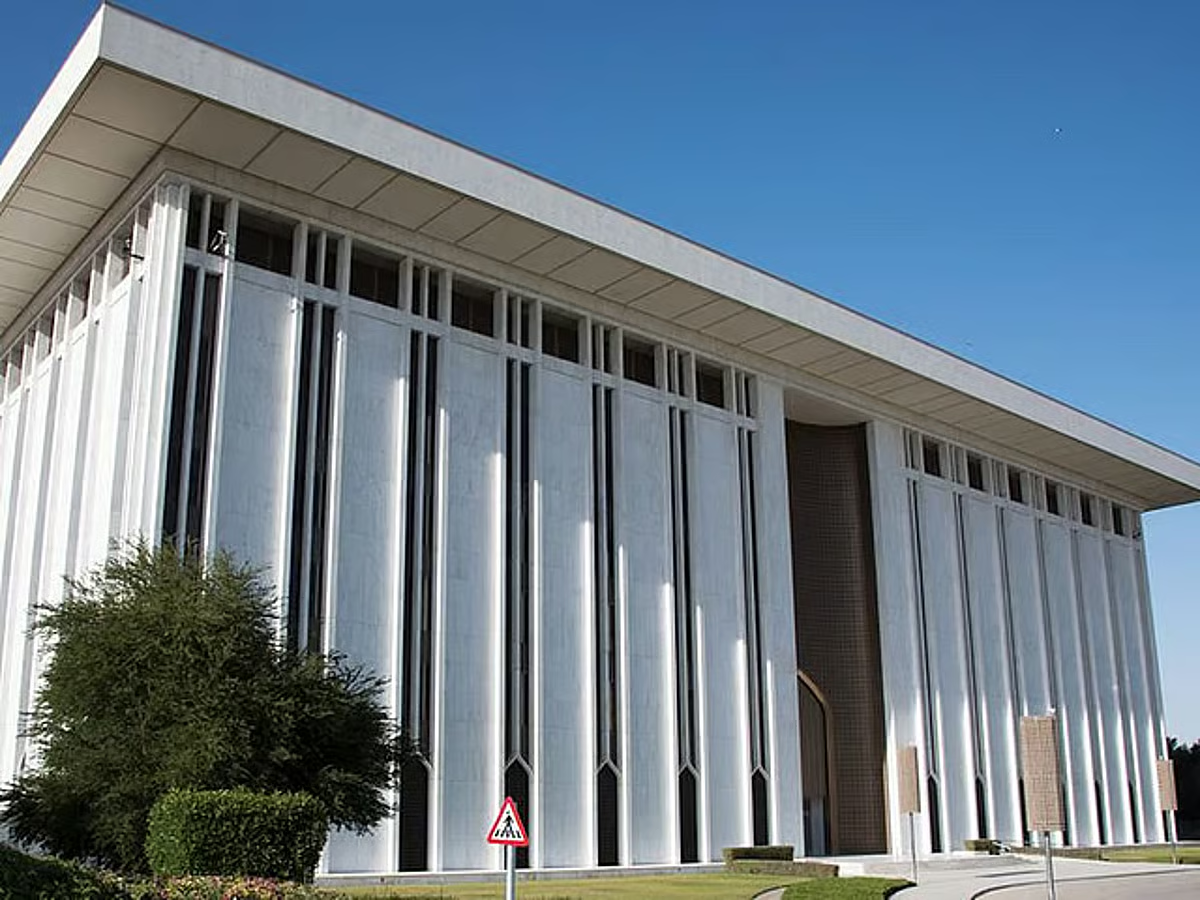

Saudi Arabia’s banking sector has experienced substantial growth, with banking assets reaching a record high of SR4.94 trillion (approximately $1.32 trillion) as of February 2024. This surge, reported by the Saudi Central Bank (SAMA), reflects the kingdom’s robust economic activity and ongoing financial sector reforms. The increase signals continued confidence in the Saudi financial system and its ability to support the nation’s ambitious Vision 2030 plan.
The overall growth in banking assets occurred alongside increases in both bank lending and deposits. This expansion is occurring as Saudi Arabia diversifies its economy away from oil and attracts foreign investment. The data released by SAMA offers a comprehensive overview of the health and dynamism of the Saudi financial landscape.
Growth Drivers Behind Saudi Banking Assets
Several factors have contributed to the significant rise in banking assets. The kingdom’s economic diversification efforts, particularly in sectors like tourism, infrastructure, and non-oil manufacturing, are driving increased demand for financial services. Government spending on mega-projects, such as NEOM and the Red Sea Project, is also injecting liquidity into the system and boosting lending activity.
Impact of Vision 2030
Saudi Vision 2030, launched in 2016, aims to transform the Saudi economy and society. A key component of this vision is the development of a strong and stable financial sector capable of supporting long-term economic growth. Reforms implemented under the vision, including measures to enhance corporate governance and promote financial inclusion, are fostering increased confidence in the banking system.
Rising Oil Prices and Government Revenue
While diversification is a core goal, increased oil prices in recent periods have also bolstered government revenue. This, in turn, has allowed for greater public spending and investment, further stimulating economic activity and supporting the growth of financial institutions. According to the Ministry of Finance, oil revenues accounted for a significant portion of total government income in 2023.
Furthermore, the Saudi Central Bank’s monetary policy has played a role in encouraging lending. Relatively accommodative interest rates, combined with measures to enhance liquidity in the banking system, have made it easier and more attractive for businesses and individuals to access credit. This has directly contributed to the increase in total loans extended by Saudi banks.
Breakdown of Asset Growth and Key Indicators
The SR4.94 trillion in banking assets encompasses a wide range of financial instruments, including loans, investments, and cash reserves. The report from SAMA indicates that total bank deposits also increased, reaching SR2.72 trillion, demonstrating a strong level of public trust in the banking sector. This growth in deposits provides banks with a stable funding base to support further lending.
Specifically, SAMA data shows a rise in real estate lending, reflecting ongoing construction activity and housing demand. Additionally, lending to small and medium-sized enterprises (SMEs) has been increasing, aligning with the government’s efforts to support the private sector and promote entrepreneurship. This focus on SMEs is crucial for diversifying the Saudi economy and creating new job opportunities.
Meanwhile, investment portfolios held by Saudi banks have also grown, driven by both domestic and international investment opportunities. Banks are increasingly participating in capital market activities, contributing to the development of Saudi Arabia’s financial markets. This diversification of bank activities is a positive sign of the sector’s maturity.
Regional and Global Context
The growth of the Saudi banking sector is occurring against a backdrop of global economic uncertainty. However, Saudi Arabia’s strong financial position and proactive economic policies are helping to insulate it from some of the more severe impacts of these challenges. In contrast to some other regional economies, Saudi Arabia has maintained a relatively stable economic outlook.
The kingdom’s financial stability is also being enhanced by its efforts to attract foreign investment in the banking sector. Several international banks have established or expanded their presence in Saudi Arabia in recent years, bringing with them expertise and capital. This influx of foreign investment is contributing to the modernization and sophistication of the Saudi financial system.
Moreover, the adoption of financial technology (Fintech) is rapidly transforming the banking landscape in Saudi Arabia. SAMA has been actively promoting Fintech innovation through regulatory sandboxes and other initiatives, encouraging the development of new financial products and services. This modernization aims to reach a wider customer base and improve efficiency within the sector.
Implications for the Saudi Economy
The sustained growth in banking assets has significant implications for the Saudi economy. It provides a solid foundation for continued economic expansion and supports the implementation of Vision 2030. A strong banking sector is essential for channeling savings into productive investment and financing economic growth.
The increased availability of credit is particularly beneficial for businesses, enabling them to expand their operations and create new jobs. Furthermore, a stable and well-capitalized banking system reduces systemic risk and promotes financial stability. This environment improves investment climate and contributes to long-term economic prosperity.
However, challenges remain. Maintaining asset quality, managing inflation, and adapting to the rapidly evolving Fintech landscape are key priorities for the Saudi Central Bank and the banking sector as a whole. The continued success of the sector will depend on its ability to address these challenges effectively.
Looking ahead, SAMA is expected to continue monitoring key economic indicators and adjusting its monetary policy accordingly. The next policy meeting is scheduled for [Date – needs to be filled in], where the committee will assess the current economic situation and make a decision regarding interest rates. Further developments in the kingdom’s diversification efforts and global economic conditions will also be closely watched for their potential impact on the Saudi banking sector and its ongoing expansion.